







Studio lights
In the realm of studio lights, lights are more than mere embellishments to the stage; they are the brushes that tell stories and the magicians that shape atmospheres. As the lights gradually ascend, they not only illuminate the stage but also kindle the anticipation in the hearts of the audience. Here, each beam of light carries emotion, and every hue holds significance. We are about to delve into the mysteries of studio lighting, exploring how lighting design can enhance the impact of performances and how lighting technology has evolved over time to deliver even more breathtaking visual feasts for the audience.
Studio lights Manufacturer
Advanced Stage Lights Supplier | KB Lighting
PRODUCTS
HOT SALE
THE EVOLUTION OF STUDIO LIGHTS
The evolution of studio lights is a fascinating journey that mirrors the broader development of film and television production. From the early days of silent films, when lighting was rudimentary and often relied on natural light, to the sophisticated systems of today, the art and science of lighting have come a long way.In the early 20th century, as cinema transitioned from silent to sound, the need for controlled lighting became more pronounced. The advent of talkies required indoor shooting, and thus, artificial lighting was introduced. Initially, lights were simple and often harsh, with limited control over intensity and color. However, as technology advanced, so did the lighting techniques, leading to the development of more nuanced and dynamic lighting setups.The 1950s and 1960s saw the introduction of color television, which revolutionized lighting design. Lighting crews had to learn how to use color to create mood and atmosphere, and the industry saw the rise of color gels and filters to achieve the desired effects. The 1970s and 1980s brought further innovations, such as the use of computer-controlled lighting systems, which allowed for precise and synchronized lighting changes.The digital age has been particularly transformative for studio lights. The introduction of LED lights has provided greater energy efficiency, longevity, and the ability to produce a wide spectrum of colors without the need for gels. Digital lighting consoles have made it possible to program complex lighting sequences, and advancements in computer graphics have enabled the seamless integration of virtual lighting effects with live action.Today, studio lights is a highly specialized field, blending artistry with cutting-edge technology. Lighting designers work closely with directors and cinematographers to create the perfect lighting for each scene, using a combination of traditional lighting techniques and digital tools. The result is a seamless blend of reality and illusion, where lighting plays a crucial role in bringing stories to life on screen.As we look to the future, it's clear that studio lights will continue to evolve, driven by technological advancements and the ever-growing demands of content creators. The pursuit of more immersive, dynamic, and energy-efficient lighting solutions will undoubtedly shape the next chapter in the history of studio lights.

Studio Lights
In today's studios, lighting technology has reached new heights, where it's not just about illuminating the stage, but creating a magical visual world. The application of modern lighting technology has turned every program production into a feast of light and shadow. LED lights, with their exceptional energy efficiency and color performance, have become the stars of the studio. They can simulate various natural light effects, from the gentleness of dawn to the romance of dusk, and the mystery of night, capturing and reproducing them with precision. The introduction of intelligent lighting control systems has allowed lighting technicians to achieve rapid and precise control of lights with simple operations, providing great convenience for live broadcasts and recordings. These systems can also synchronize with music and video content, creating lighting effects that perfectly blend with the program's theme. The application of wireless remote control technology has made lighting operation more flexible than ever. Lighting technicians can easily adjust the brightness, color, and movement of lights from any corner of the studio, making the entire studio seem alive. The realization of dynamic lighting effects has brought a stunning visual impact to the audience, enhancing the watchability and immersion of the program.
THE VERSATILITY OF STUDIO LIGHTS

SEVERAL TYPES OF STUDIO LIGHTS
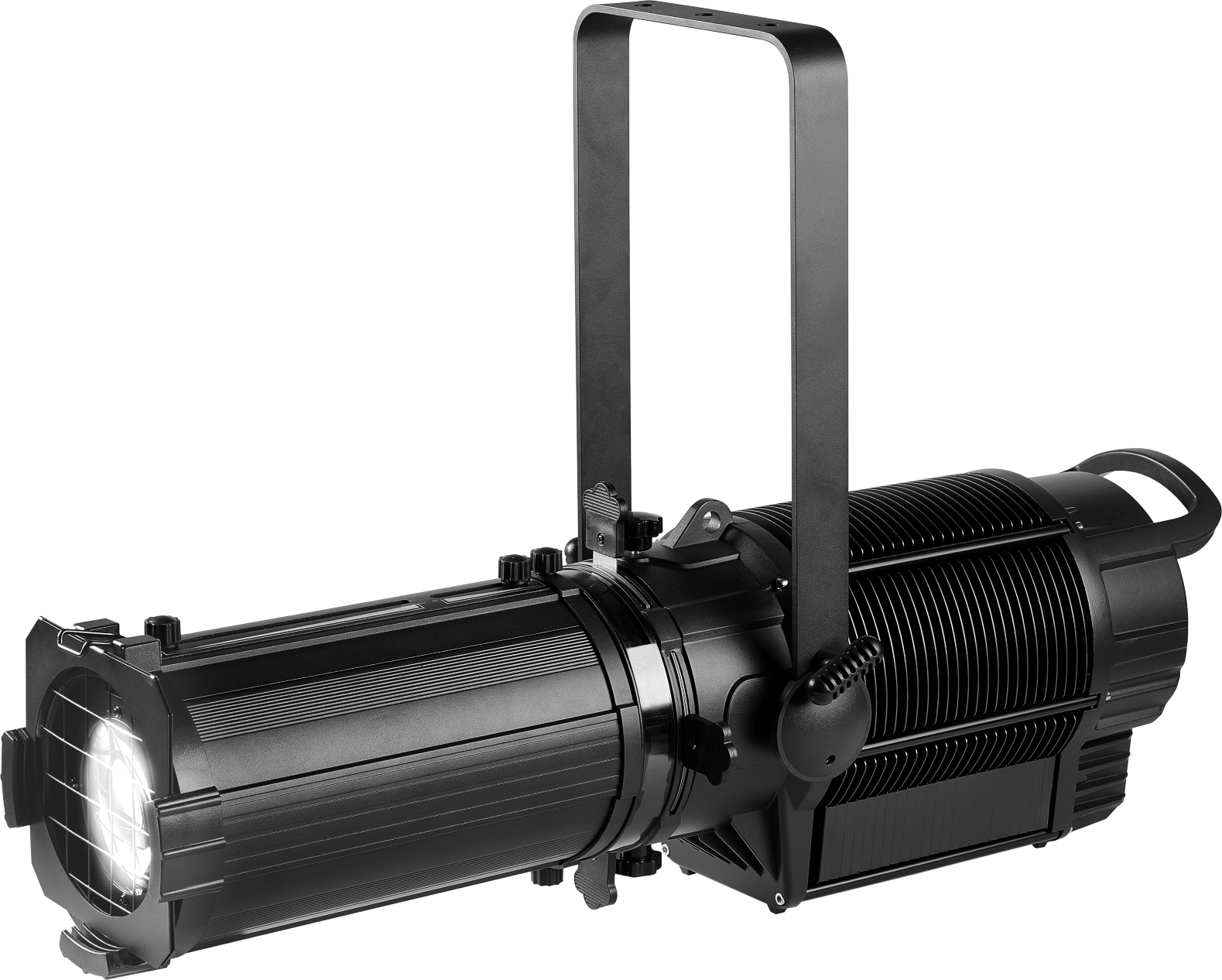
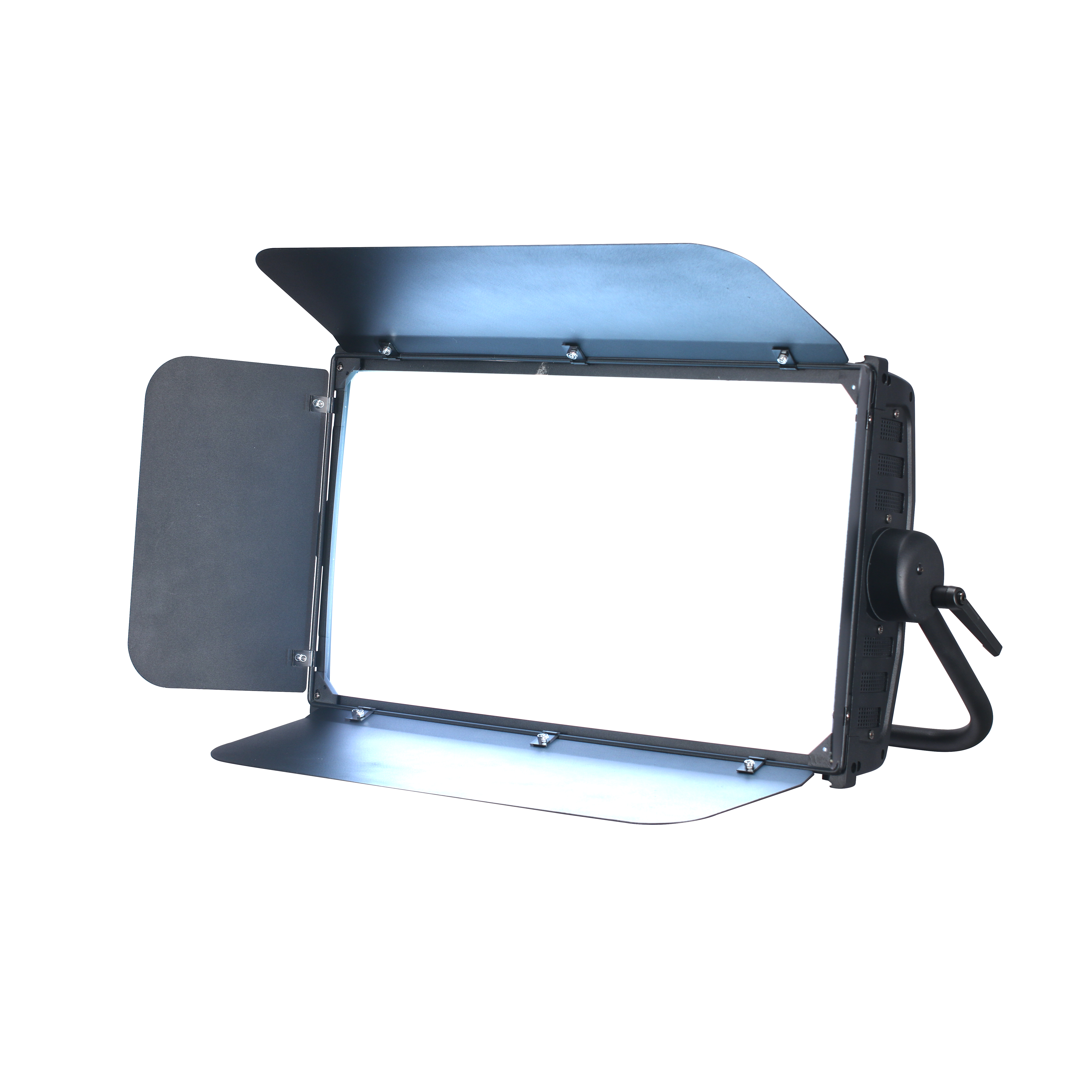
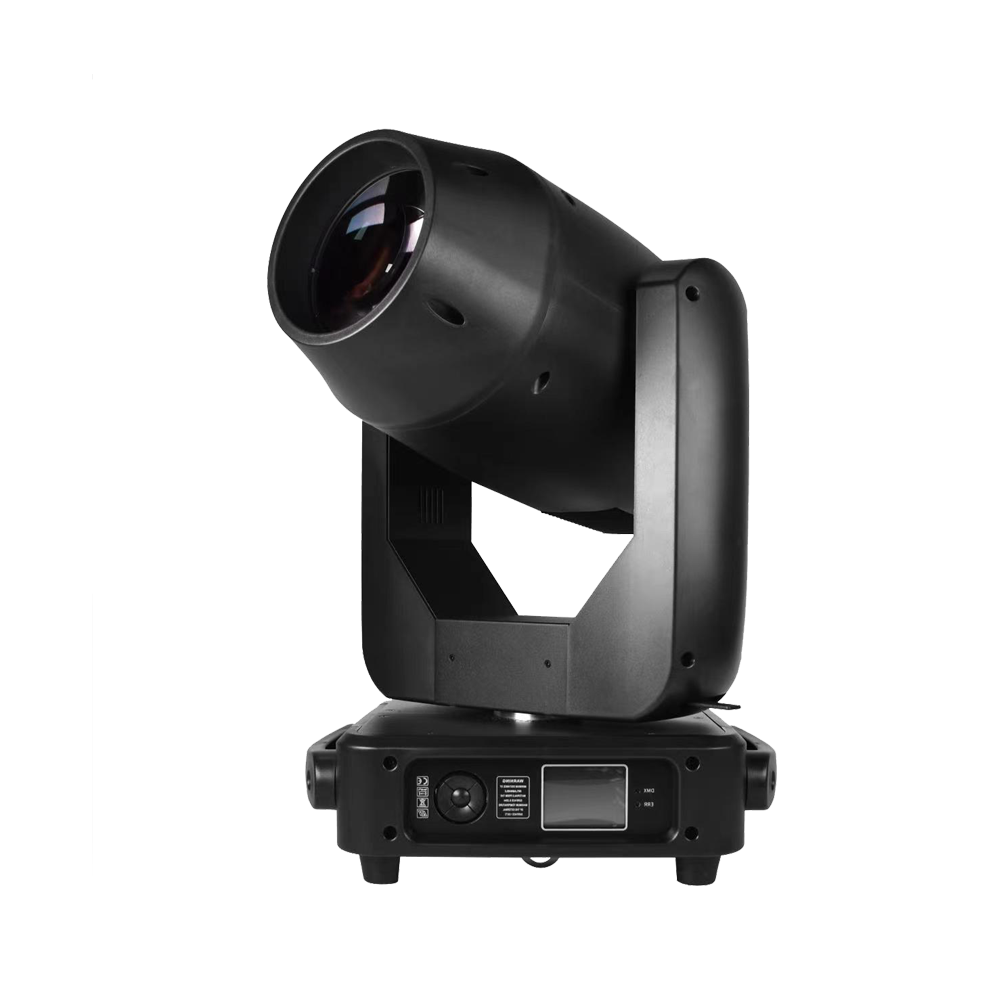
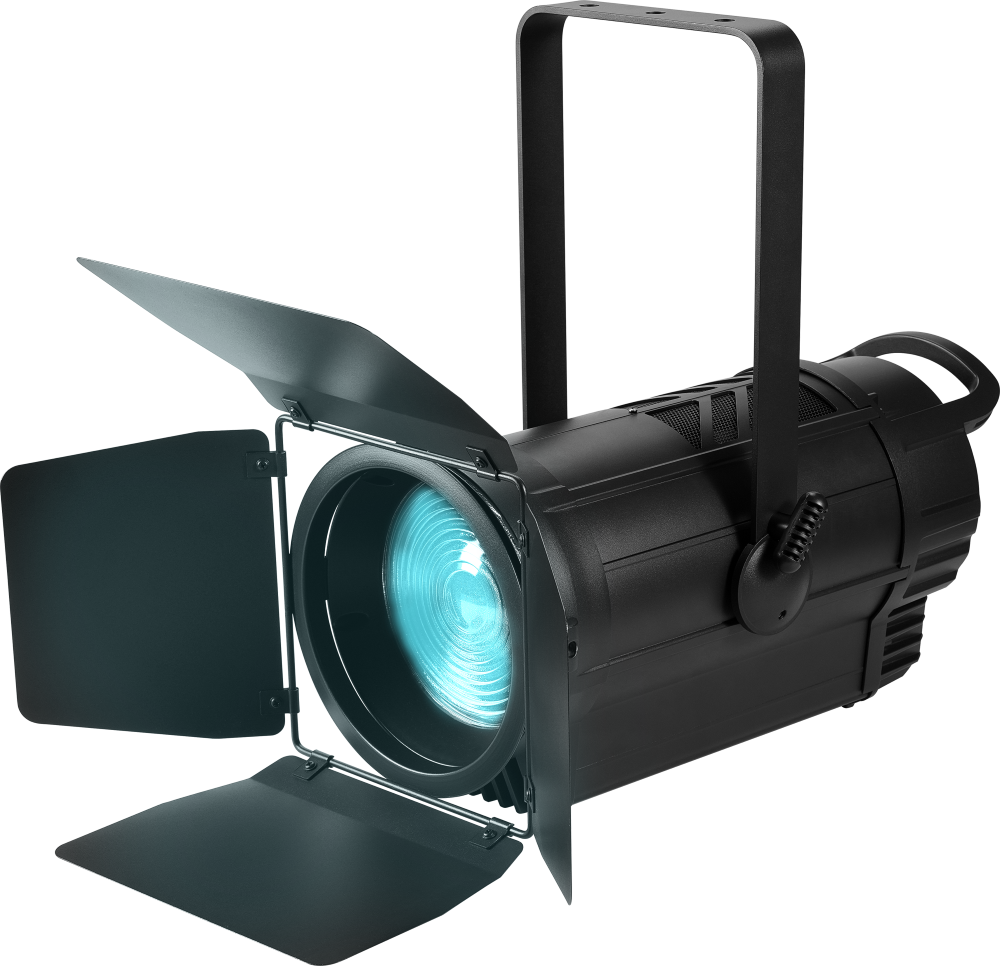
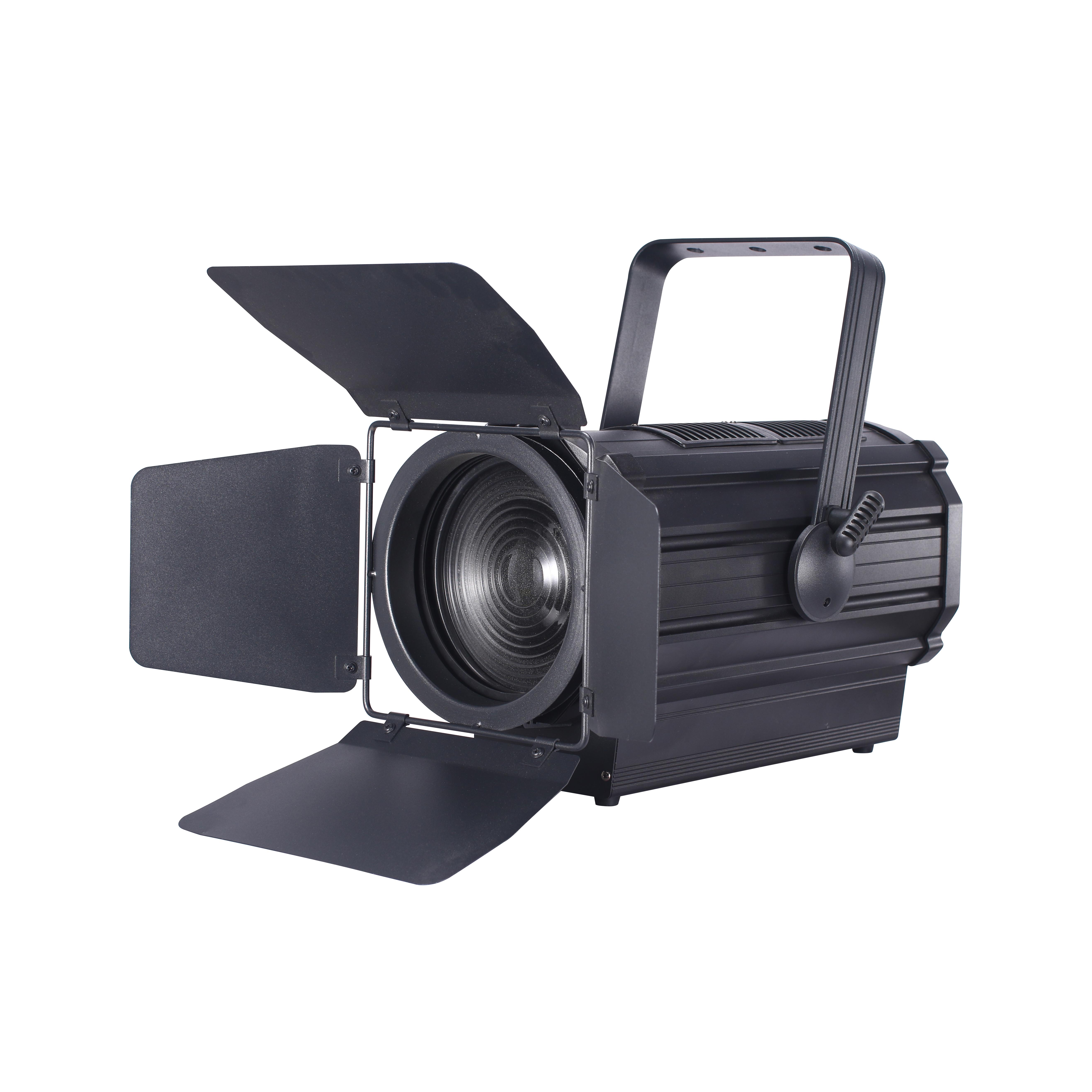
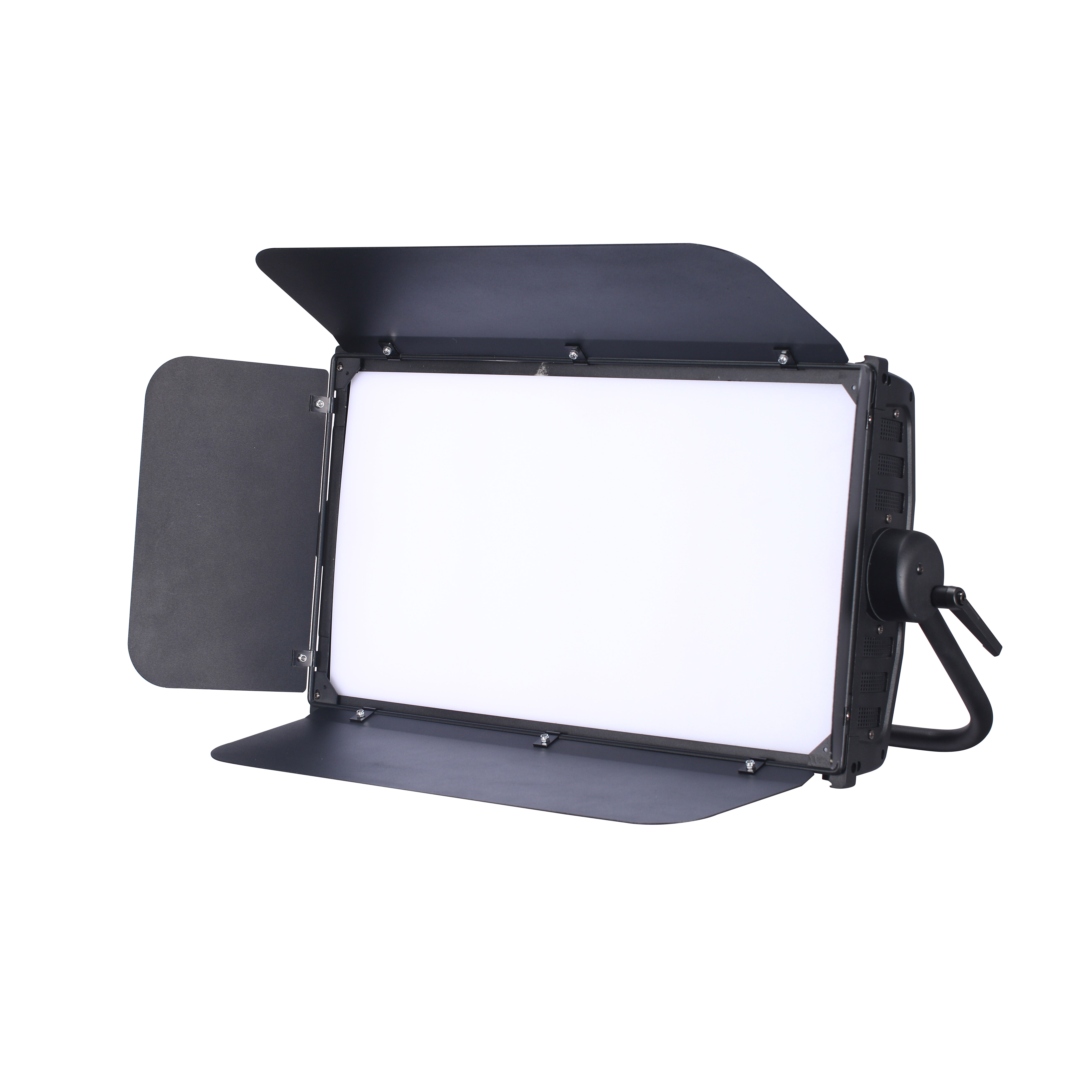
The history of studio lights technology is a saga of innovation and breakthroughs. Since the inception of the television and film industry, lighting technology has been a key element in shaping visual storytelling. Early studio lights relied on basic bulbs and reflectors, which, while capable of providing basic illumination, had clear limitations in precise control and light quality. Over time, studio lights technology has evolved from analog to digital, from single light sources to multi-light systems, with each technological leap significantly enhancing the quality of program production and the viewing experience for audiences. In the evolution of studio lights, we have witnessed a transition from simple three-point lighting techniques (key light, fill light, and backlight) to complex multi-light layouts, and now to intelligent, modular lighting control systems. These advancements have not only increased the flexibility and adjustability of lighting but also enabled lighting technicians to control light more finely, creating richer and more three-dimensional visual effects. Our flat panel lights offer a new solution for studio lights with their even light output and slim design. Leko profile ensure the quality and color authenticity of high-definition content with their high Color Rendering Index (CRI) and precise beam control. Fresnels add dramatic effect and visual impact to the studio with their intense focusing ability and adjustable beams. And moving head lights bring unprecedented creative freedom to program production with their versatile light effects and remote control capabilities.
Panel lights, as the new darling of studio lighting, have brought revolutionary changes to the studio with their unique design and outstanding performance. Our panel lights utilize advanced LED technology to provide a broad and even light coverage, effectively eliminating the shadows and hotspots associated with traditional lighting. The slim design of these lights not only saves space but also facilitates easy installation, allowing for quick adaptation to various studio layouts. The color temperature adjustment feature of flat panel lights enables lighting technicians to easily mimic natural light or create specific atmospheres, offering great flexibility for program production.
Profile lights play a crucial role in studios, especially in the production of high-definition and ultra-high-definition content. Our profile light ensure the authenticity of images and the accuracy of colors with their precise beam control and high Color Rendering Index (CRI). The adjustable beam angle of imaging lights allows for flexible adjustments according to shooting requirements, providing clear and sharp imaging effects for both close-ups and wide shots. The stability and durability of these lights enable lighting technicians to precisely control the light, highlighting the subject while maintaining a soft and even background.
Spotlights are among the most expressive tools in studio lighting. They can produce intense beams of light to accentuate key points or create dramatic lighting effects. Our spotlights feature advanced optical systems that generate clean, sharp beams while maintaining the softness of the light. The adjustable beam angle and focal length of these lights allow directors and lighting technicians to precisely control the focus of the light, adding visual impact to the program. The efficient heat dissipation design and zero fan noise of the spotlights ensure reliability during long periods of live broadcasting or recording.

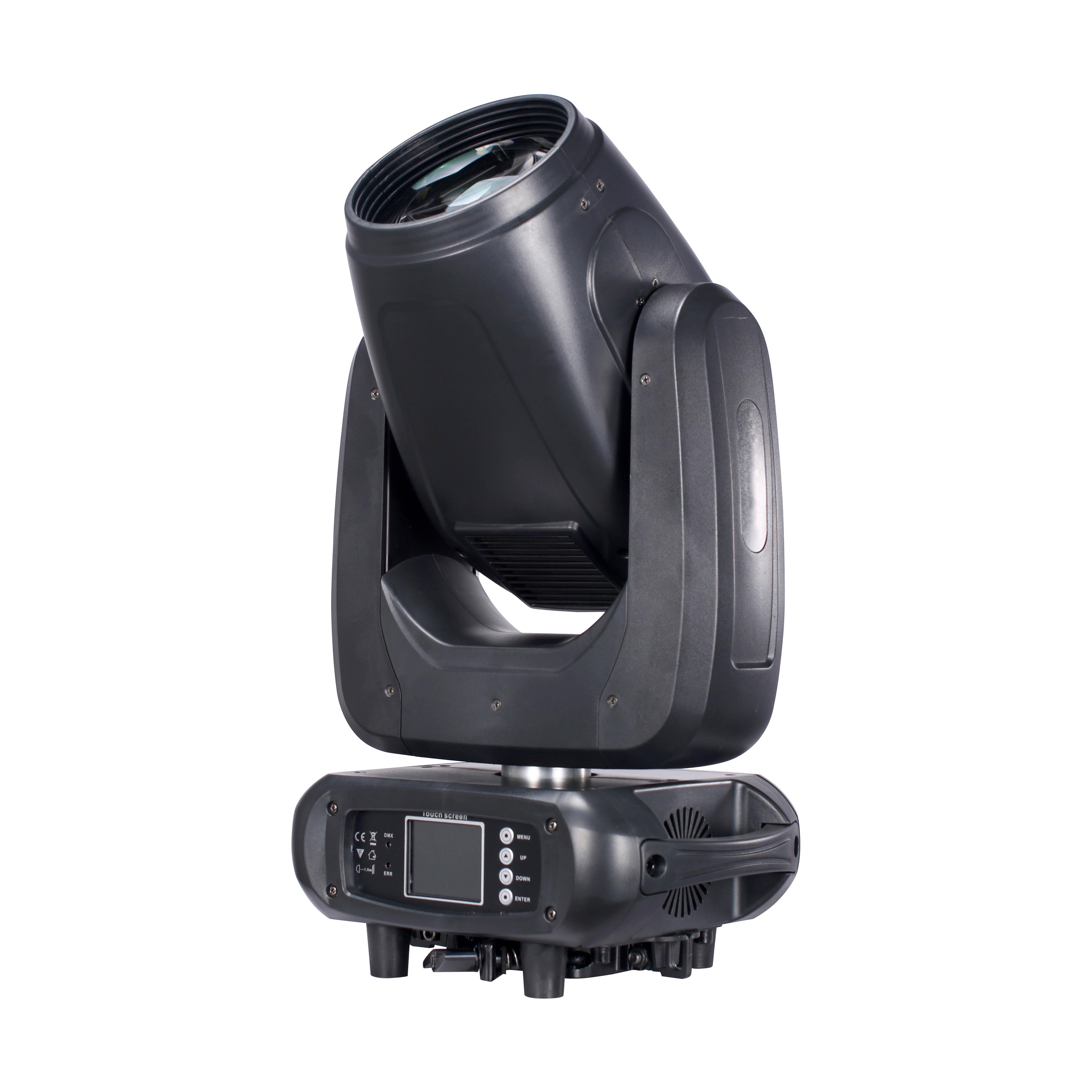
Moving head lights are the versatile performers in studio lighting, favored for their flexible mobility and varied light effects. Our moving head lights integrate multiple light effects, such as color changes, pattern projections, and beam shaping, capable of creating complex light shows and dynamic effects. The remote control function of these lights allows lighting technicians to achieve precise lighting control without touching the fixtures, greatly enhancing work efficiency. The quick response and diverse light effects of moving head lights offer endless possibilities for studio program production, easily adapting to both live broadcasts and recorded programs.
ABOUT STUDIO LIGHTS, YOU MIGHT WANT TO KNOW:
1. What role do studio lights play in program production?
Studio lights is a key element in program production. It's responsible not only for illuminating the scene but also for shaping the mood, guiding the viewer's eye, highlighting focal points, and even influencing emotional responses through the intensity, direction, color, and texture of light.
5. What are the characteristics of moving head lights in a studio application?
3. Why is the profile light important in high-definition content production?
Profile lights are crucial in high-definition content production because they offer high Color Rendering Index (CRI) and precise beam control, ensuring the authenticity and color accuracy of the images. This is especially important for scenes that require detailed lighting, such as interviews, product presentations, and news broadcasts.
4. How do spotlights add drama and visual impact to a studio?
Spotlights add drama and visual impact by providing intense, focused beams of light that can highlight specific areas or individuals in a studio. With adjustable beam angles and focal lengths, directors and lighting technicians can precisely control the focus of the light, enhancing the visual impact of the program.
Moving head lights are versatile performers in a studio, integrating various light effects such as color changes, pattern projections, and beam shaping to create complex light shows and dynamic effects. Their remote control capabilities allow lighting technicians to achieve precise lighting control without touching the fixtures, significantly increasing work efficiency. The quick response and diverse effects of moving head lights offer endless creative possibilities for program production.
When choosing studio lights, consider the specific needs of the program, budget, the flexibility and adjustability of the lights, and the coordination of the lighting with the program content. Additionally, the energy efficiency, durability, and maintenance requirements of the lighting equipment are important considerations.
2. What are the advantages of panel lights in a studio setting?
Panel lights offer a new lighting solution with their even light output and slim design. They provide a broad, panel light that effectively eliminates shadows, saving space and adapting quickly to various studio layouts. Additionally, their color temperature adjustment feature allows lighting technicians to easily mimic natural light or create specific atmospheres.
6. What factors should be considered when choosing studio lights?
FACTORS TO CONSIDER WHEN CHOOSING STUDIO LIGHTS:
1.Types of studio lights: Depending on the content and style of your production, you may require different types of studio lights, such as panel lights, profile lights, spotlights, or moving head lights. Each type has its specific uses and advantages.
2.Color Temperature of studio lights: Color temperature is crucial for setting the mood and ensuring color accuracy. Opt for studio lights that offers adjustable color temperature, allowing you to fine-tune the warmth or coolness of the light to match the scene.
3.Brightness and Intensity of studio lights: Consider the intensity of light you need and whether the lights have dimming capabilities. This will allow you to adjust the brightness of the light for different shooting scenarios.
4.Flexibility and Mobility of studio lights: Choose lights that are easy to move and adjust, enabling you to quickly rearrange your studio lighting setup according to varying production needs.
5.Control Systems for studio lights: Modern studio lights often comes with remote control capabilities via software or wireless devices, greatly enhancing the convenience and precision of lighting adjustments.
6.Energy Efficiency of studio lights: LED studio lights is increasingly popular due to its energy-saving and long-lasting features. Consider investing in these types of lights to reduce long-term operational costs.
7.Durability and Maintenance of studio lights: Opt for well-built studio lights that is easy to maintain, ensuring optimal performance over time.
8.Budget for studio lights: Look for studio lights that offers good value for money within your budget. Remember, investing in high-quality lighting equipment can elevate your production quality and potentially save on replacement costs in the future.
9.Future Upgrades for studio lights: Consider potential future upgrades for your studio lights, choosing systems that can easily accommodate new features or accessories.
CONCLUSION
As technology continues to advance, studio lights have become an indispensable tool for producing high-quality audiovisual content. They not only provide the necessary illumination for studios but are also key to creative expression and visual storytelling. By carefully selecting and configuring the appropriate studio lights, production teams can create captivating scenes, whether in news broadcasts, television productions, or live events. With the development of LED technology and the widespread adoption of intelligent control systems, studio lights are becoming more efficient, flexible, and user-friendly. In the future, we anticipate more innovative solutions for studio lighting that will further enhance production efficiency, reduce energy consumption, and deliver even more stunning visual experiences to audiences. In this ever-evolving media landscape, studio lights will continue to play a crucial role, leading us into a more vibrant and dynamic world of audiovisual entertainment.
