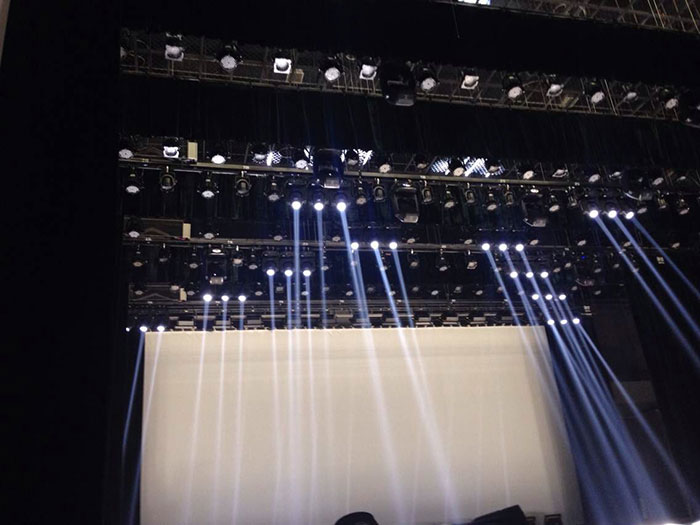






Theatre Lights
The role of theatre lights has been pivotal in enhancing the live performance experience for centuries. From the primitive days of gas lights and candles, to the advanced and energy-efficient fixtures available today, theatre lights has undergone a revolutionary transformation. Nowadays, lighting designers have a plethora of lighting fixtures at their disposal that provide versatility and flexibility to produce captivating and visually appealing lighting designs.In this post, we will delve into the various forms of contemporary theater lights, such as LED moving head lights, par lights, leko profile, and fresnel lights, and how they are utilized to heighten the performance experience. Additionally, we will discuss the multitude of advantages offered by modern theatre lighting, which has revolutionized the manner in which we perceive and encounter live performances.
Theatre lights Manufacturer
Best Stage Lights Supplier | KB Lighting
PRODUCTS
HOT SALE

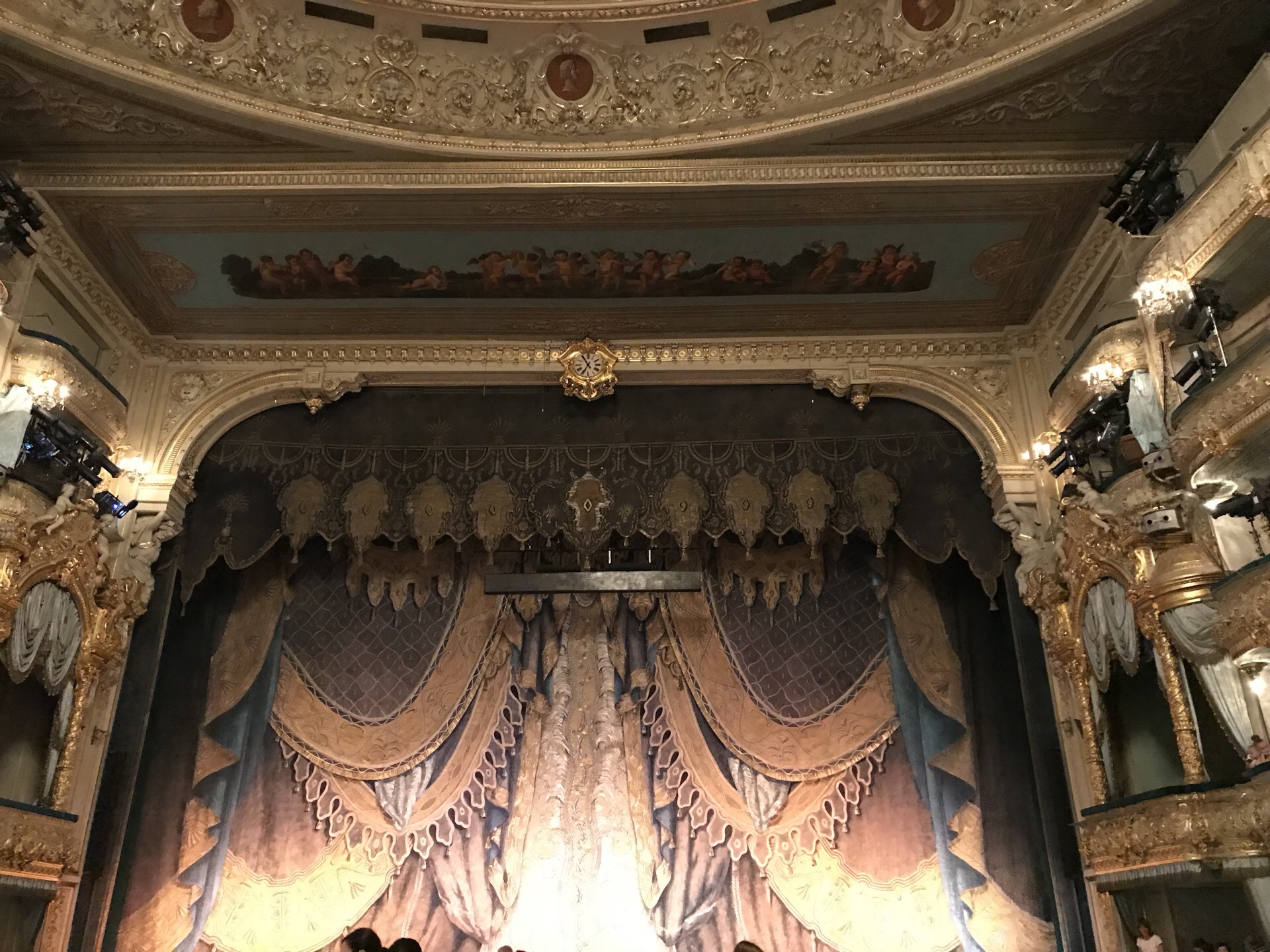
The history of theatre lights can be traced back to ancient Greece, when natural sunlight was the primary source of illumination for performances held in outdoor amphitheaters. With the shift to indoor performances in the Middle Ages, candles and oil lamps lit the stage. As time passed and technology advanced, gas lighting became popular in theaters during the 19th century, followed by incandescent electric lights in the early 20th century. The implementation of new lighting technologies in the mid-20th century, such as the Fresnel lens and the ellipsoidal reflector spotlight, brought about a revolution in theatre lights design. In the 1960s and 70s, computer-controlled lighting systems were introduced, enabling more sophisticated lighting designs.
A HISTORY OF THEATRE LIGHTS
Theatre Lights
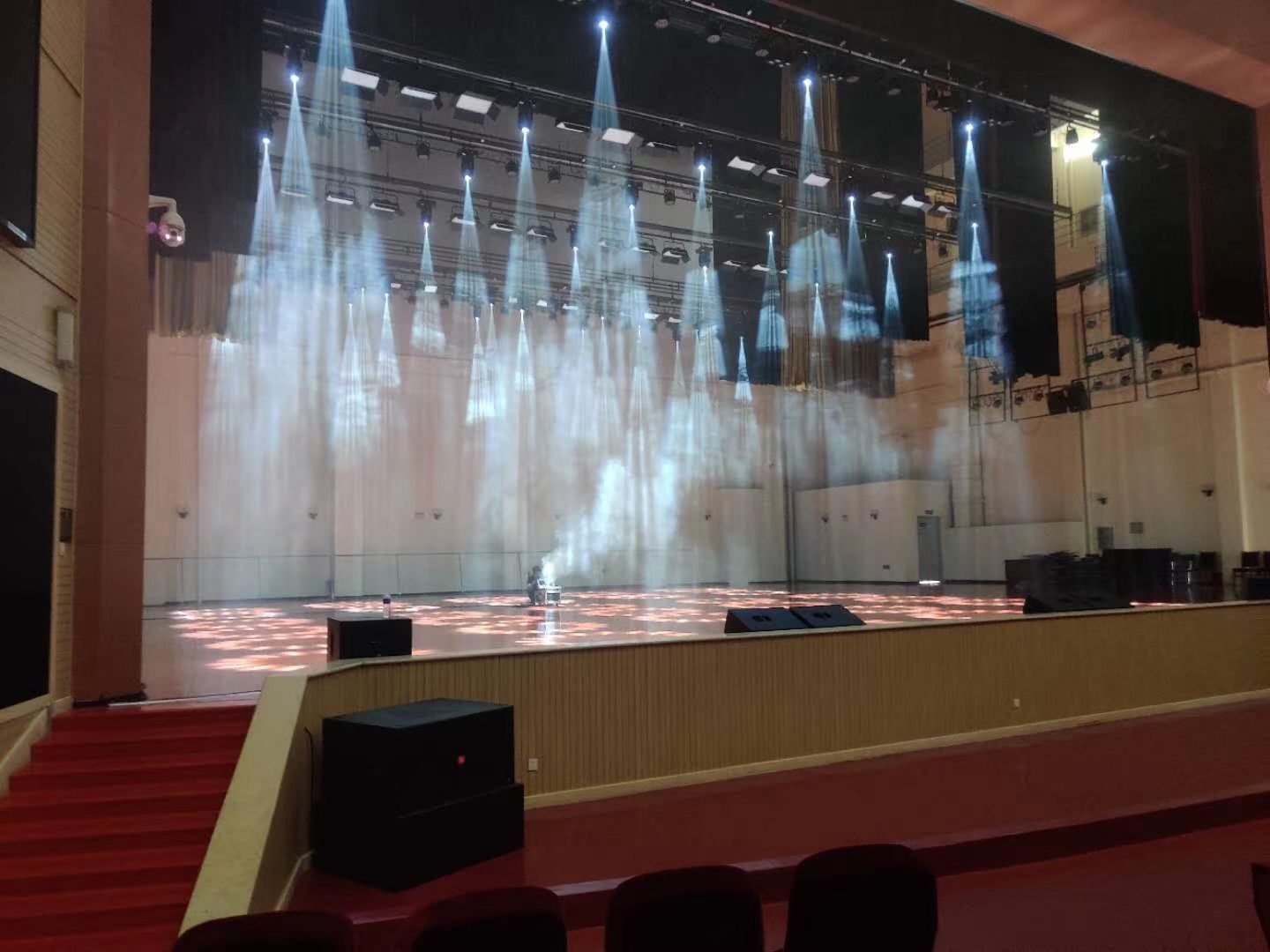
Modern theatre lights is truly exceptional due to its numerous advantages, which enable unparalleled control of intensity, color, and direction. What's more, LED technology comes equipped with better energy efficiency, substantially reducing maintenance expenses. With the advent of computer-controlled systems, it's now possible to create captivating designs with precise and sophisticated lighting cues. The equipment is also extremely convenient, portable, and flexible, offering limitless possibilities for creative expression. Overall, modern theatre lighting enhances the live performance experience by providing elevated levels of creativity, efficiency, and precision.
THE BENEFITS OF MODERN THEATRE LIGHTS
The Various Types of Modern Theatre Lights
Lighting is crucial to the success of a theatrical performance. It creates the stage environment, captures the audience's attention, conveys emotions, and enhances the overall experience. A well-designed lighting system should cover the entire stage, providing clear and comfortable visibility. It's also vital in grabbing the audience's attention and transforming their emotions. Different types of lighting serve distinct roles in a performance.
These lights are designed to focus directly on a specific point or location on the stage, which could either be the character, prop, or a specific spot. The spotlight emits a uniform and intense beam of light that perfectly hits the desired point without losing any energy or frequency.
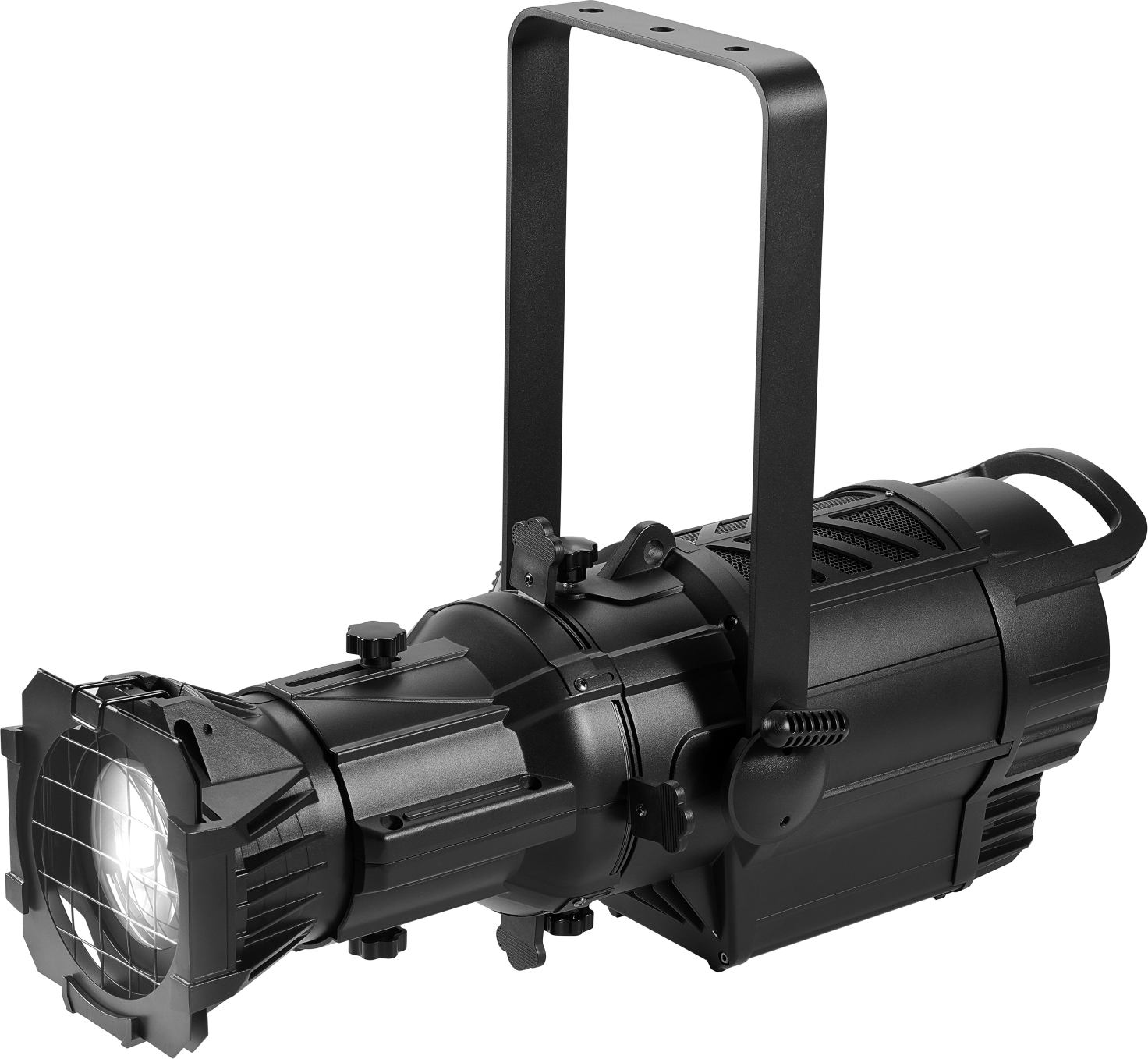
leko profile is a type of stage lighting. It contains a lamp, a lens, a reflector, a gate, and a shutter. All these elements help in creating a high-quality beam of light. Also, it gives you full control of the light to make adjustments in the intensity of the through lens as per your needs. It has a gate between the lens and the lamp and you can create any shape of light by putting shapes in the gate. These shapes are made of glass or metal sheets. When it is put inside the gate, it cuts the light and produces it into the exact shape. Some profile lights come with a fixed shutter while some with two lenses to generate different light angles.
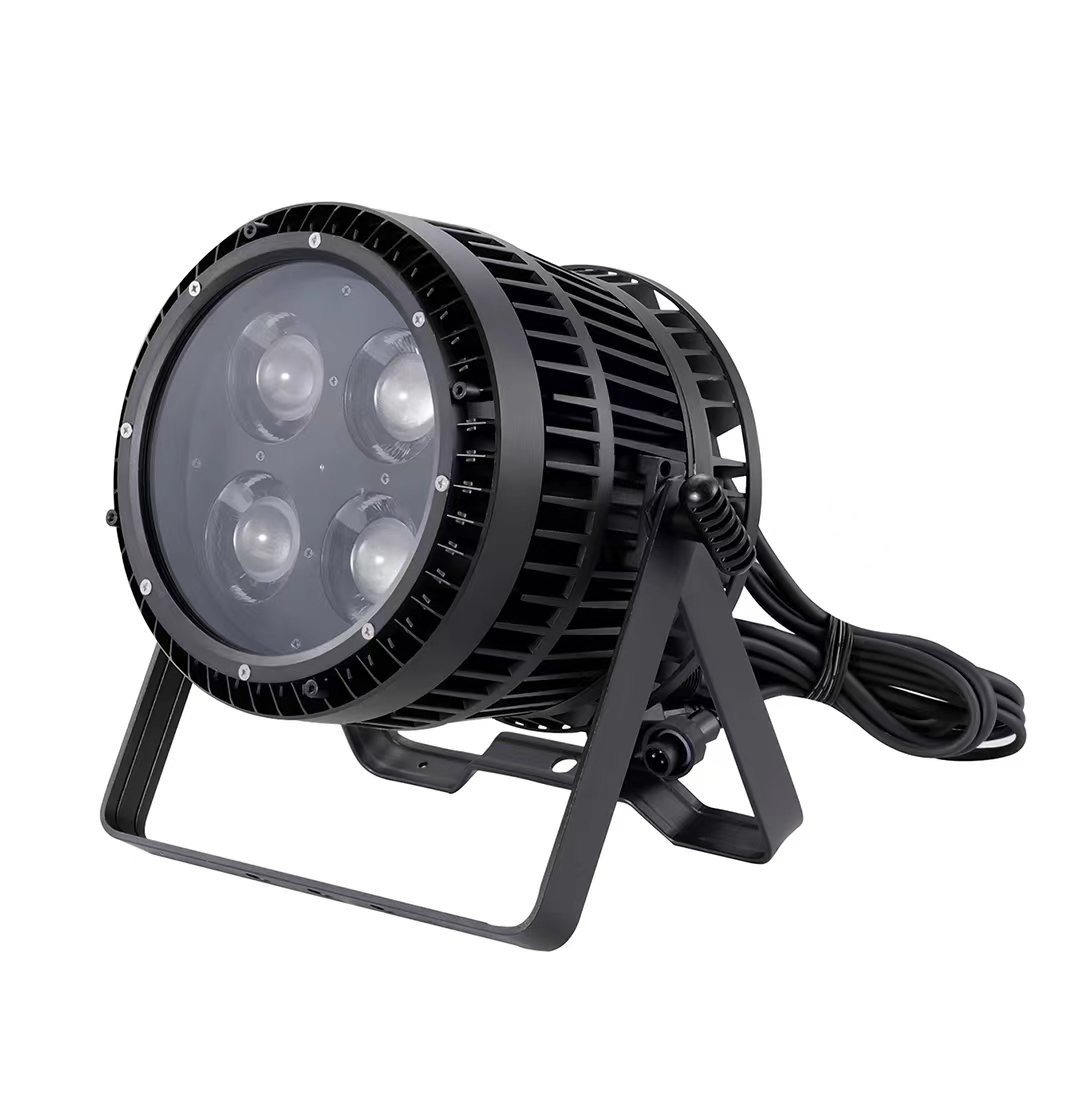
Parabolic Aluminised Reflector lights, commonly abbreviated as PAR, are a type of lighting unit that consists of a lamp, a lens, and a reflector. These lights are particularly known for their ability to produce high-quality, intense light with excellent color saturation and special effects capabilities. The light is emitted in an elliptical form and can be easily adjusted to different directions and settings. The lens of the PAR can lamp diffuses the light at various angles, providing a wide range of illumination at different levels.
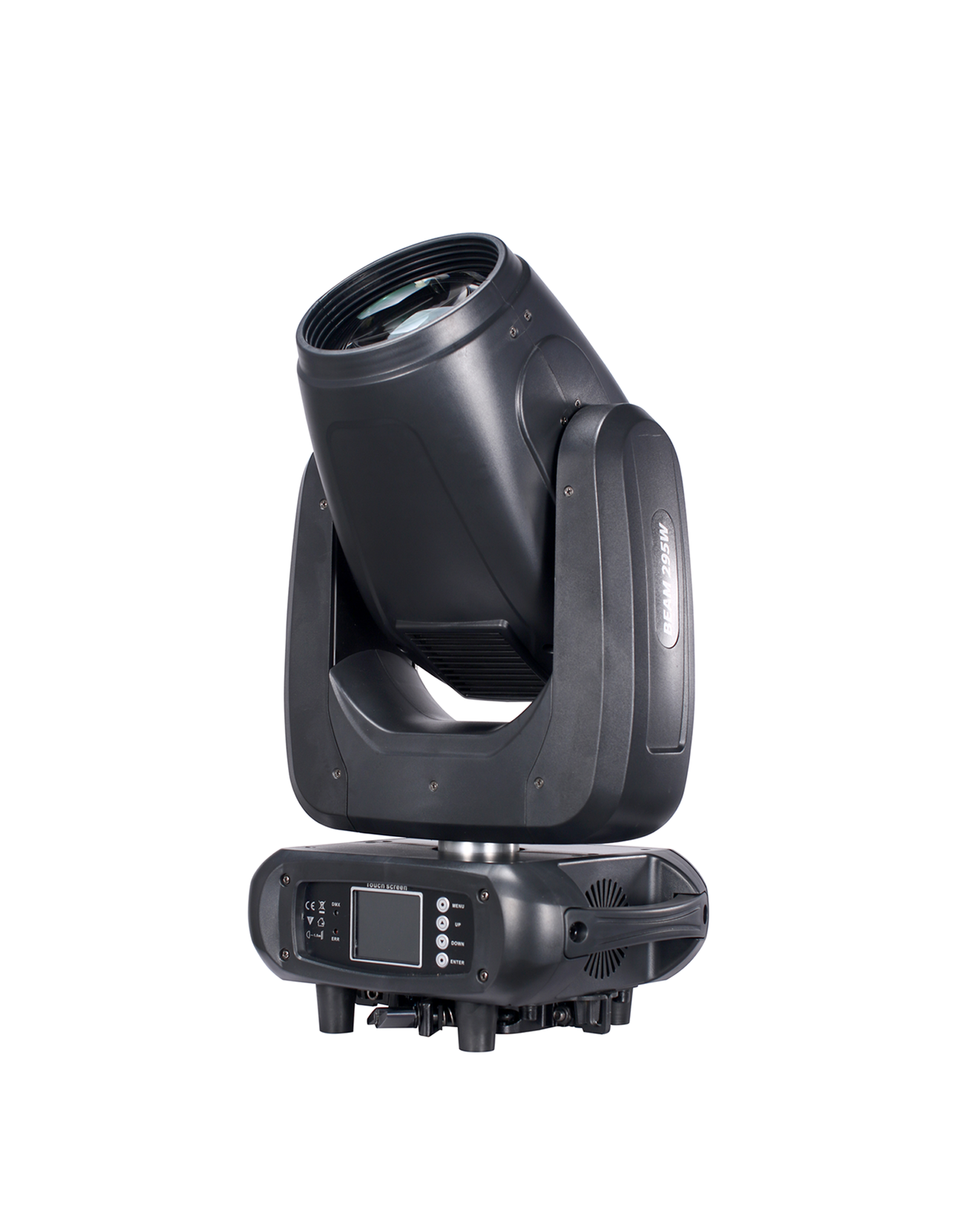
Moving head lights are sophisticated and automated forms of lighting technology. They function as dynamic headlights that can move in multiple directions above and beyond the stage, creating complex and intricate lighting effects. These state-of-the-art lights are controlled by a centralized unit, with DMX being one of the most commonly used signal controllers. This controller sends signals to the moving light and dictates its direction, as well as controlling other features such as color, tilt, prism, gobo, shutters, pan, and animation. The control console is typically responsible for regulating almost every aspect of the light's operation.
ABOUT THEATRE LIGHTS, YOU MIGHT WANT TO KNOW:
1.What are the primary functions of theatre lights?
Theatre lighting is used to create mood, highlight actors, and set the scene for different parts of a performance. It can also help to direct the audience's attention and create a sense of time and place.
5. How do modern lighting technologies, such as LED and moving lights, impact theatre productions?
Modern technologies offer increased energy efficiency, more precise control over color and intensity, and the ability to create dynamic effects that can enhance the visual impact of a production.
3. What is the role of color in theatre lights?
Exceptional theatrical lighting often combines spotlights to accentuate, fresnels for a softer glow, and smart lights such as moving heads to create dynamic visual effects, all designed to meet the distinct needs of every performance.
4.How do theatre lights designers use different angles and positions of lights?
By adjusting the angle and position of lights, designers can create depth, shadows, and highlights that emphasize certain aspects of the stage or actors, contributing to the overall visual storytelling.
2. How do different types of theatre lights contribute to the overall production?
Various types of lights, such as spotlights, floodlights, and footlights, each serve a specific purpose. Spotlights focus on a particular area, floodlights provide a general wash of light, and footlights help actors see their scripts and the audience.
6. What is the importance of dimming in theatre lights?
Dimming allows for smooth transitions between different lighting states, creating a more immersive experience for the audience by subtly changing the mood and focus of the scene.
CONCLUSION
In the world of theater, lighting is a transformative force that elevates the stage from a mere platform to a dynamic canvas for storytelling. It is through the careful manipulation of light that directors and designers create the mood, highlight key moments, and guide the audience's emotional journey. From spotlights that draw attention to specific actors or props, to wash lights that bathe the stage in a particular hue, each type of lighting serves a distinct purpose. The integration of intelligent lighting systems, like moving heads, adds another layer of sophistication, enabling dynamic and responsive effects that can change in real-time with the action on stage. The art of theater lights is a blend of technical expertise and creative vision, essential for bringing performances to life and immersing audiences in the magic of the stage.