







LED vs Halogen Theatre Lighting: Which Is Better?
LED vs Halogen Theatre Lighting: Which Is Better?
Choosing the right lighting technology is an important decision for theatres, performance venues, schools, studios and other professional spaces. For many years, halogen fixtures were widely used for stage lighting because of their familiar warm output and smooth dimming. Today, LED theatre lighting offers more flexible control, lower energy consumption and reduced maintenance requirements.
So, is LED lighting always the better choice? The answer depends on your venue, lighting requirements, budget and existing equipment. This guide compares LED and halogen theatre lighting to help you make an informed decision.
1. Energy Consumption: LED vs Halogen
One of the main differences between LED and halogen theatre lighting is energy efficiency. Halogen lamps convert a significant amount of electrical energy into heat, while LED fixtures generally use less electricity to produce comparable useful light output.
For venues operating multiple fixtures over long rehearsals, performances or studio sessions, switching to LED lighting can reduce electricity consumption. The actual savings depend on fixture output, operating hours, dimming levels and the lighting design.
- LED theatre lighting: Generally consumes less electricity for a comparable lighting task.
- Halogen theatre lighting: Typically requires more power and produces more heat.
- Practical consideration: Compare actual light output and beam performance, rather than wattage alone.
When evaluating a replacement, consider the brightness required on stage, beam angle, color temperature and the distance between the fixture and the subject. These factors help determine whether an LED fixture can meet your existing lighting requirements.
2. Heat Output and Working Environment
Halogen fixtures generate considerable heat during operation. This can make the lighting environment less comfortable for performers and technicians, particularly in smaller studios, schools and venues with many fixtures installed close to the stage.
LED fixtures generally produce less radiant heat toward the illuminated subject. However, LEDs still generate heat inside the fixture and require effective thermal management to maintain performance and service life.
For theatres and studios that operate lighting equipment for extended periods, LED fixtures can help reduce heat-related discomfort and ease some cooling demands. The overall result will also depend on the venue's ventilation and air-conditioning system.
3. Lamp Life and Maintenance
Traditional halogen lamps need regular replacement, and their service life can be affected by operating conditions and handling. Replacing lamps across a large lighting rig takes time and may interrupt rehearsals or scheduled performances.
LED fixtures do not rely on conventional replaceable halogen lamps. Their long-term performance depends on factors such as LED quality, operating temperature, driver design and overall fixture construction.
- LED: Can reduce routine lamp replacement and maintenance work.
- Halogen: Requires periodic lamp replacement and may need more frequent maintenance.
- For both technologies: Reliable construction, quality control and proper operation remain important.
When comparing products, look beyond the light source. Driver quality, cooling design, connectors, housing and quality-control procedures all affect reliability in professional use.
4. Color Quality and Lighting Control
Halogen lighting is known for its warm appearance and familiar color rendering. As the lamp is dimmed, its color temperature typically becomes warmer, which can be desirable for certain theatrical effects.
Modern LED theatre lighting offers a wider range of color options. Depending on the fixture, users may be able to adjust color temperature, mix multiple LED colors, create saturated colors and control brightness through lighting consoles.
For example, the Kingbird 400W RGBLAC Fresnel Light uses a six-color LED system for flexible color mixing and adjustable color temperature. It can be considered for theatre and studio applications where both white-light performance and color flexibility are important.
When comparing color quality, check the fixture's CRI, TLCI, color consistency and performance across its dimming range. The best choice depends on whether the application prioritizes natural-looking skin tones, creative color effects or both.
5. Beam Quality and Fixture Selection
Not every theatre lighting fixture serves the same purpose. Fresnel lights are commonly used for soft-edged washes and general stage illumination, while ellipsoidal profile lights are designed for more controlled beams, sharper edges and gobo projection.
LED technology is available in both fixture types, so switching from halogen to LED does not necessarily mean changing the basic lighting approach.
LED Fresnel Lights
LED Fresnel fixtures are suitable for applications that need adjustable beam coverage and relatively soft light. Depending on the model, they may provide adjustable color temperature, multiple LED colors and electronic dimming.
The Kingbird IP 300W LED Fresnel 2-in-1 is one option to explore when evaluating LED Fresnel lighting for professional applications. Check the product specifications to confirm the beam range, output and environmental protection required for your installation.
LED Ellipsoidal Profile Lights
Ellipsoidal profile lights are useful when a production needs precise beam shaping, defined edges, shutters or gobo projection. They are commonly used for front lighting, highlighting performers and illuminating specific areas of a stage.
The Kingbird 300W LED Ellipsoidal Profile Light offers a profile-lighting option for applications that require controlled beams and framing. Review the available zoom angles, shutter configuration and color-rendering specifications when comparing it with an existing fixture.
6. Dimming and Control Compatibility
Halogen fixtures typically dim by reducing the power supplied to the lamp. This creates a familiar dimming response, including the characteristic shift toward warmer color at lower brightness levels.
LED fixtures use electronic control systems, and their dimming behavior depends on the driver and fixture design. Professional models may support smooth dimming, multiple dimming curves, DMX control and other console-compatible functions.
Before replacing existing fixtures, confirm compatibility with your lighting console, DMX setup, dimming requirements and power distribution. If a venue relies on legacy dimming equipment, additional checks may be needed before installation.
7. Which Is Better for Different Venues?
Theatres and Performing Arts Centres
LED fixtures are often a practical choice for venues seeking lower energy consumption, flexible color control and reduced lamp maintenance. Fresnel and profile fixtures can cover many common stage-lighting tasks, but the required output and beam characteristics should be checked before replacing existing equipment.
Television and Video Studios
For studios, color quality, flicker performance, noise and consistent output are particularly important. Look for fixtures with suitable CRI or TLCI ratings, stable dimming and cooling systems appropriate for recording environments.
Schools and Multi-Purpose Venues
LED lighting can be attractive for schools and community venues because it may reduce routine maintenance and provide flexible lighting options. The initial purchase cost, available technical support and compatibility with existing equipment should still be included in the decision.
Venues with Existing Halogen Equipment
Replacing every fixture at once may not be necessary. A phased upgrade can prioritize fixtures that are used most frequently or require the most maintenance. Before purchasing replacements, compare light output, beam angle, color quality, mounting requirements and control compatibility.
8. What Should You Check Before Buying LED Theatre Lights?
When comparing LED theatre lighting products, consider the complete performance requirements rather than choosing by wattage or price alone.
- Light output: Confirm that the fixture provides enough illumination for the required throw distance.
- Beam angle: Choose an appropriate beam range for the application.
- Color quality: Review CRI, TLCI and color-temperature options where relevant.
- Dimming: Check dimming smoothness and compatibility with your control system.
- Cooling and noise: Important for quiet studios, theatres and recording spaces.
- Build quality: Review housing, connectors, thermal design and quality-control procedures.
- Operating environment: Confirm the IP rating if the fixture will be used outdoors or in demanding conditions.
- Total cost: Consider purchase price, electricity use, maintenance and expected service life.
9. Choosing a Reliable LED Theatre Lighting Manufacturer
The manufacturer is another important consideration when upgrading theatre lighting. Product consistency, quality control, technical communication and after-sales support can all affect the long-term value of your purchase.
Kingbird Lighting is a professional stage lighting manufacturer based in Guangzhou, China, with more than 12 years of OEM and ODM experience. Our production processes include SMT assembly, aging tests and quality checks to support consistent product performance.
Our product range includes LED Fresnel lights, ellipsoidal profile lights and other professional stage lighting fixtures. For buyers with specific project requirements, OEM and ODM options may also be available depending on the model and confirmed specifications.
You can explore our IP 300W LED Fresnel Light, 300W LED Ellipsoidal Profile Light and 400W RGBLAC Fresnel Light to compare fixture types for your application.
Conclusion: LED or Halogen Theatre Lighting?
LED theatre lighting is a strong option for venues that want to reduce energy consumption, limit routine lamp replacement and gain more flexible color and control options. Halogen fixtures can still be useful in existing installations where their familiar light characteristics and current infrastructure meet the venue's needs.
The best choice depends on your lighting design, performance requirements, budget and existing equipment. Compare real output, beam quality, color performance, control compatibility and overall operating costs before making a decision.
For a new installation or a phased upgrade, LED Fresnel and ellipsoidal profile lights are useful starting points for evaluating modern theatre lighting solutions.
Frequently Asked Questions
1. Is LED theatre lighting better than halogen lighting?
LED theatre lighting generally offers lower energy consumption, less radiant heat toward the subject and reduced lamp replacement requirements. Halogen lighting may still be suitable for some existing systems or applications that favor its traditional dimming and color characteristics.
2. Can LED theatre lights replace halogen fixtures?
In many applications, yes. However, the replacement should be selected according to light output, beam angle, color quality, mounting requirements and control compatibility rather than wattage alone.
3. Do LED theatre lights produce heat?
Yes. LED fixtures generate heat inside the fixture, but they generally direct less radiant heat toward the illuminated subject than halogen fixtures. Proper thermal management is still necessary.
4. Are LED Fresnel lights suitable for theatre front lighting?
Yes. LED Fresnel lights can be used for theatre front lighting when their output, beam angle and color quality meet the needs of the production.
5. What is the difference between an LED Fresnel light and an LED profile light?
A Fresnel light typically produces a softer beam with adjustable coverage, while an ellipsoidal profile light is designed for more precise beam shaping, defined edges and features such as shutters or gobo projection.
 How to Choose Front Lights for Theatre
 How to Choose LED Panel Lights for Theatre and Studio
 How to Choose the Right Theatre Fresnel Light
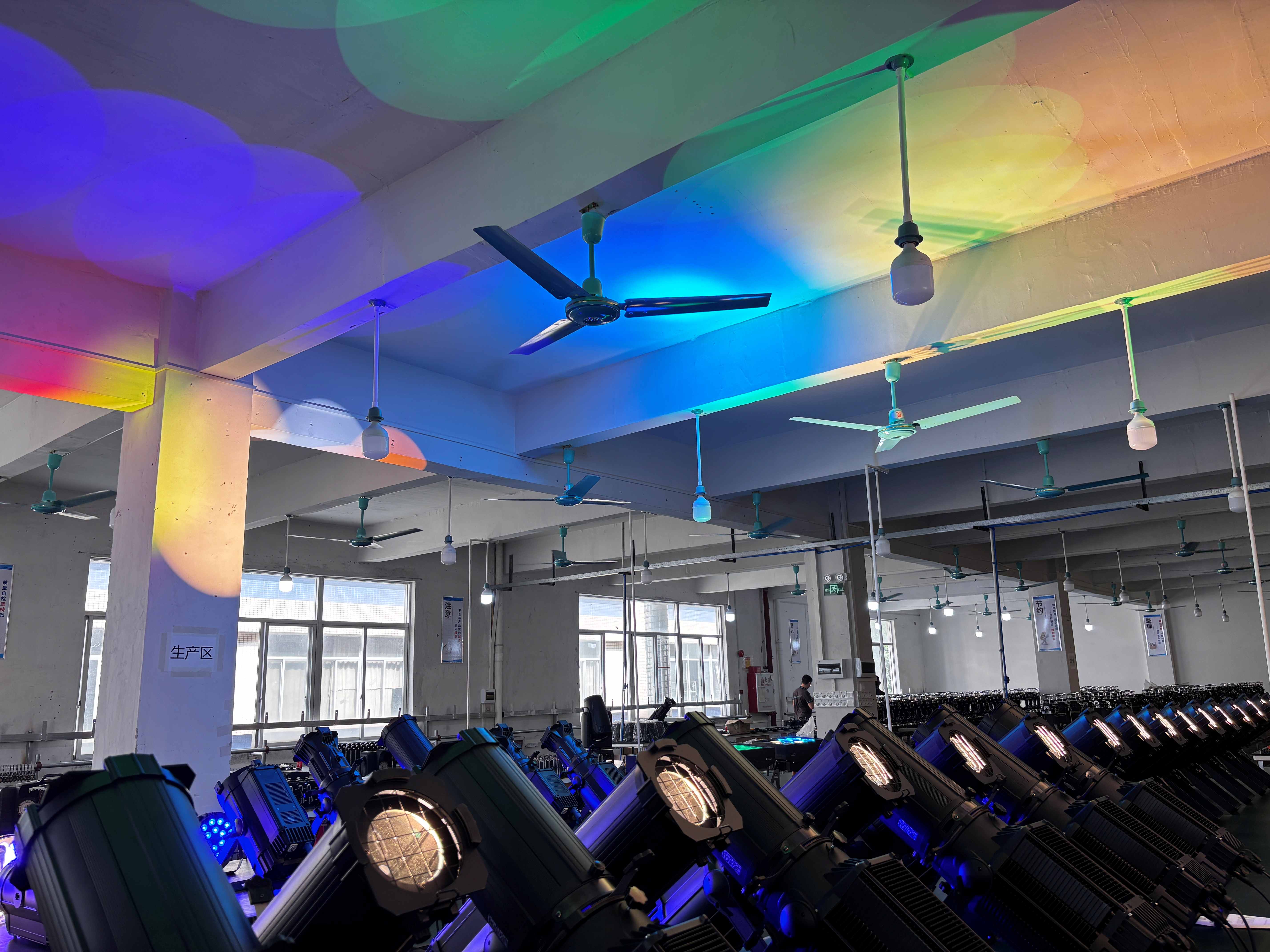 How to Choose the Right Theatre Profile Light
 Why LED Panel Lights Are Replacing Traditional Soft Lights in Modern Theatres and Studios
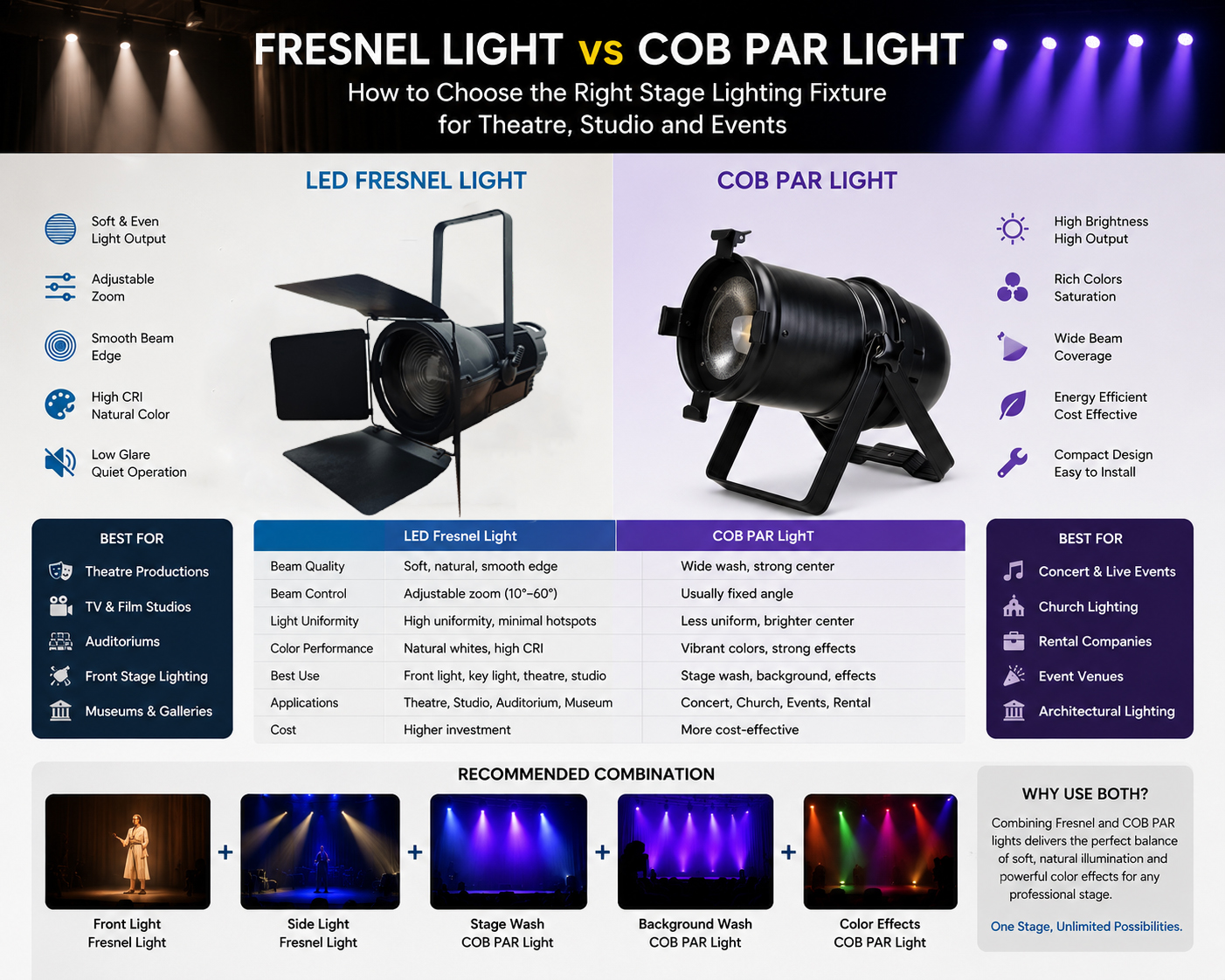 Fresnel vs COB PAR Light: How to Choose the Right Stage Lighting Fixture for Theatre, Studio and Events
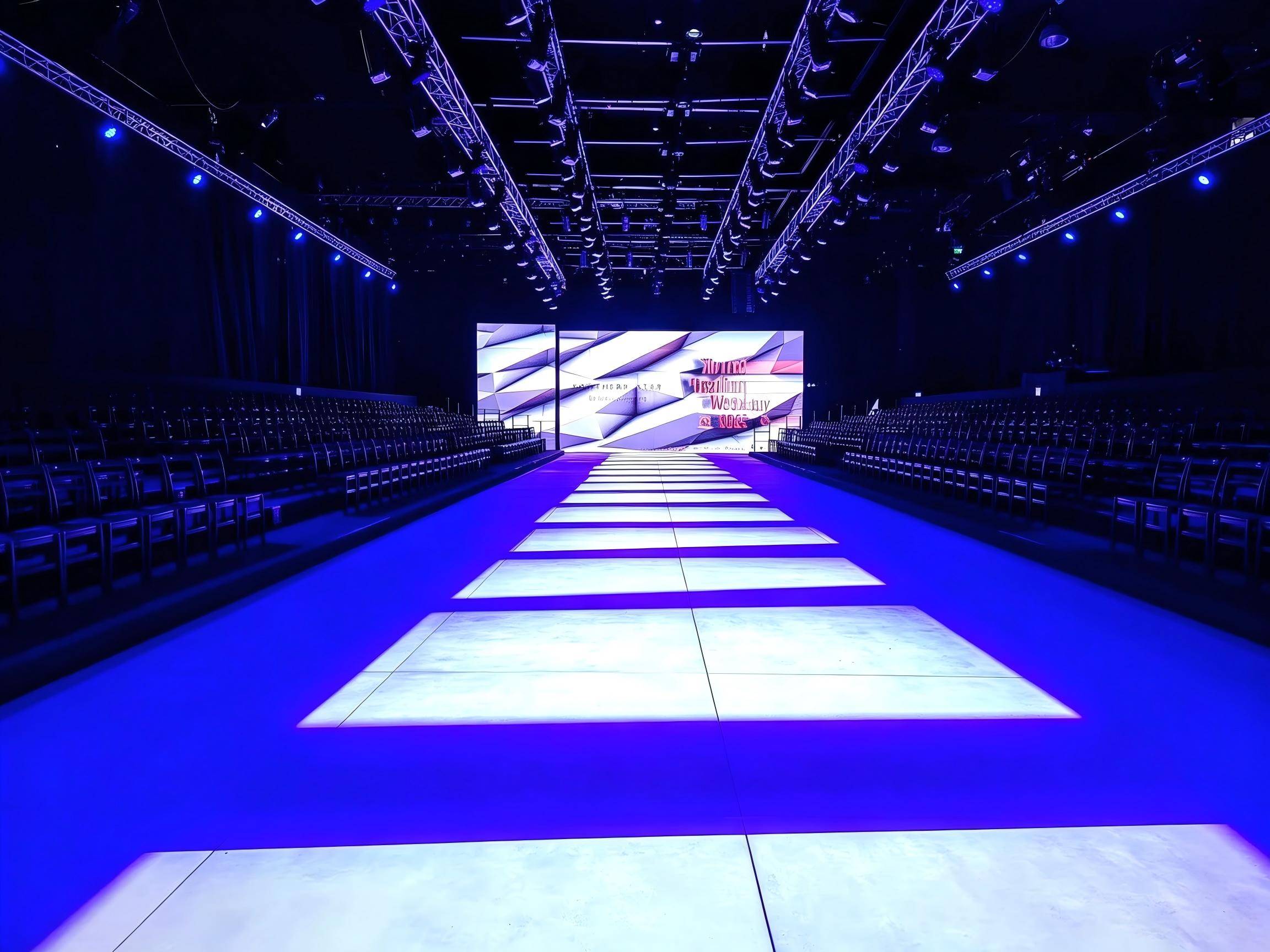 Leko Profile Lights: The Runway Standard for Fashion Shows
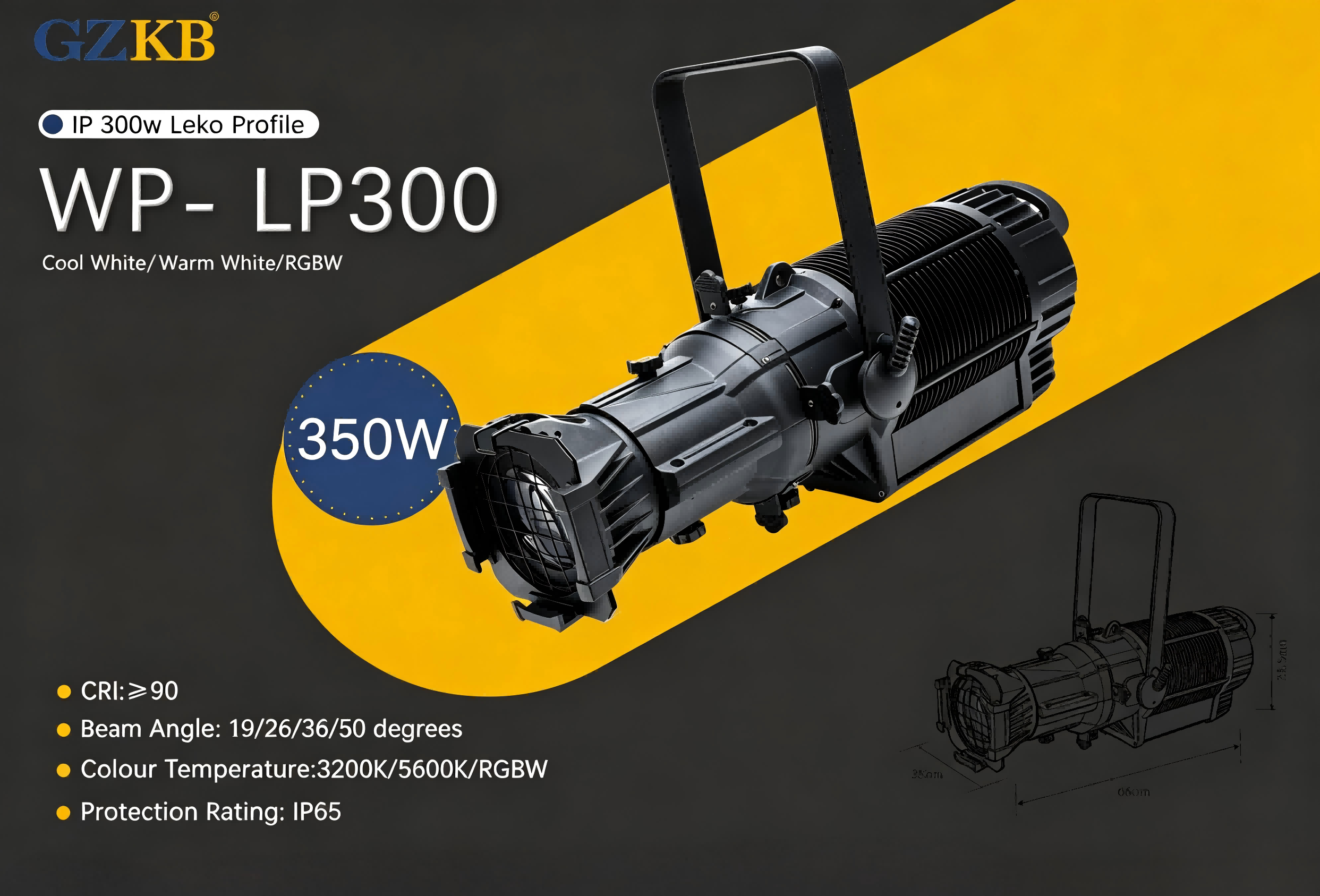 The Profile & Fresnel Series: Upgraded Theatre Lights from Kb Lighting
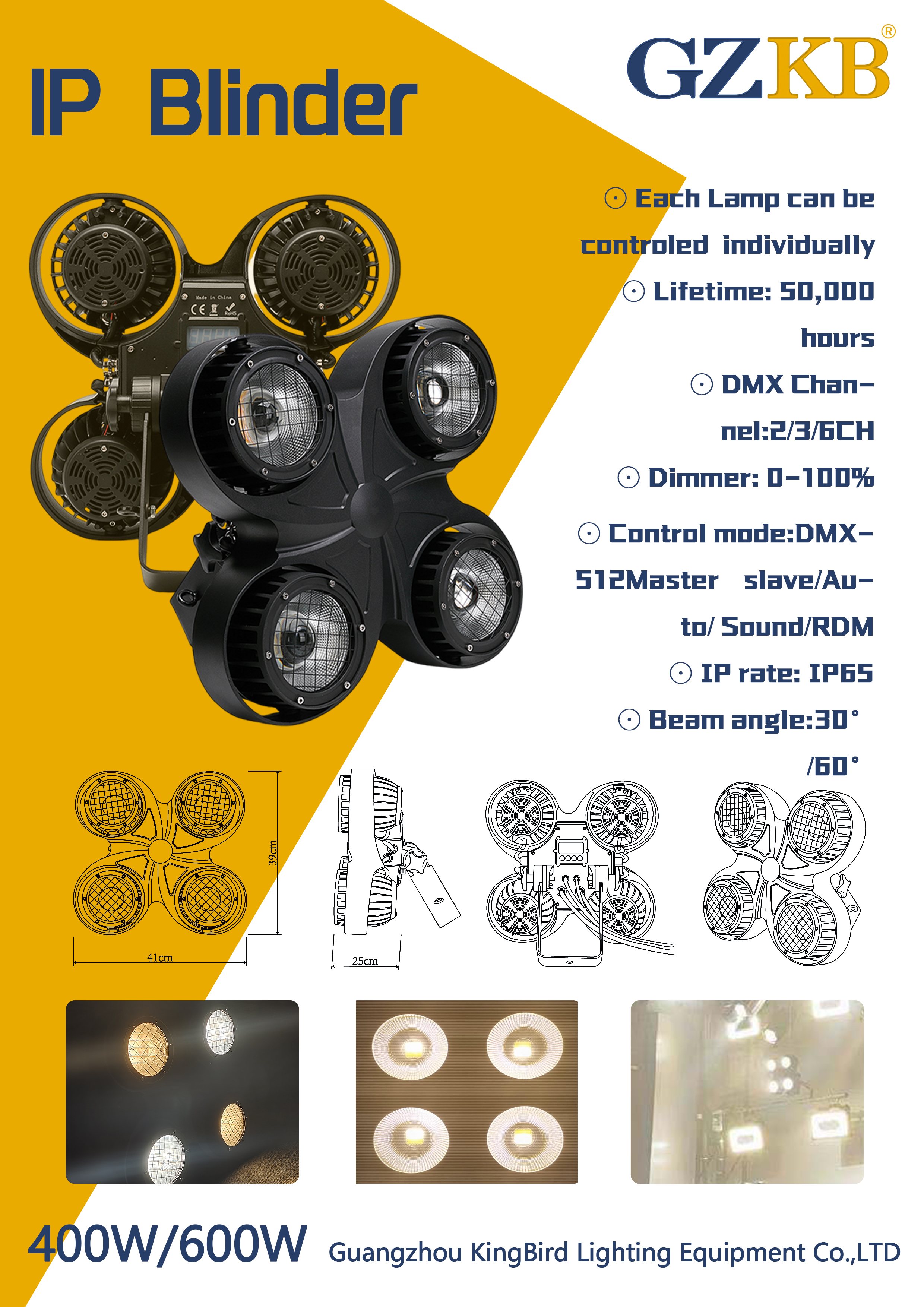 4 Common LED Blinder Problems (And How KB Lights Solved Them)
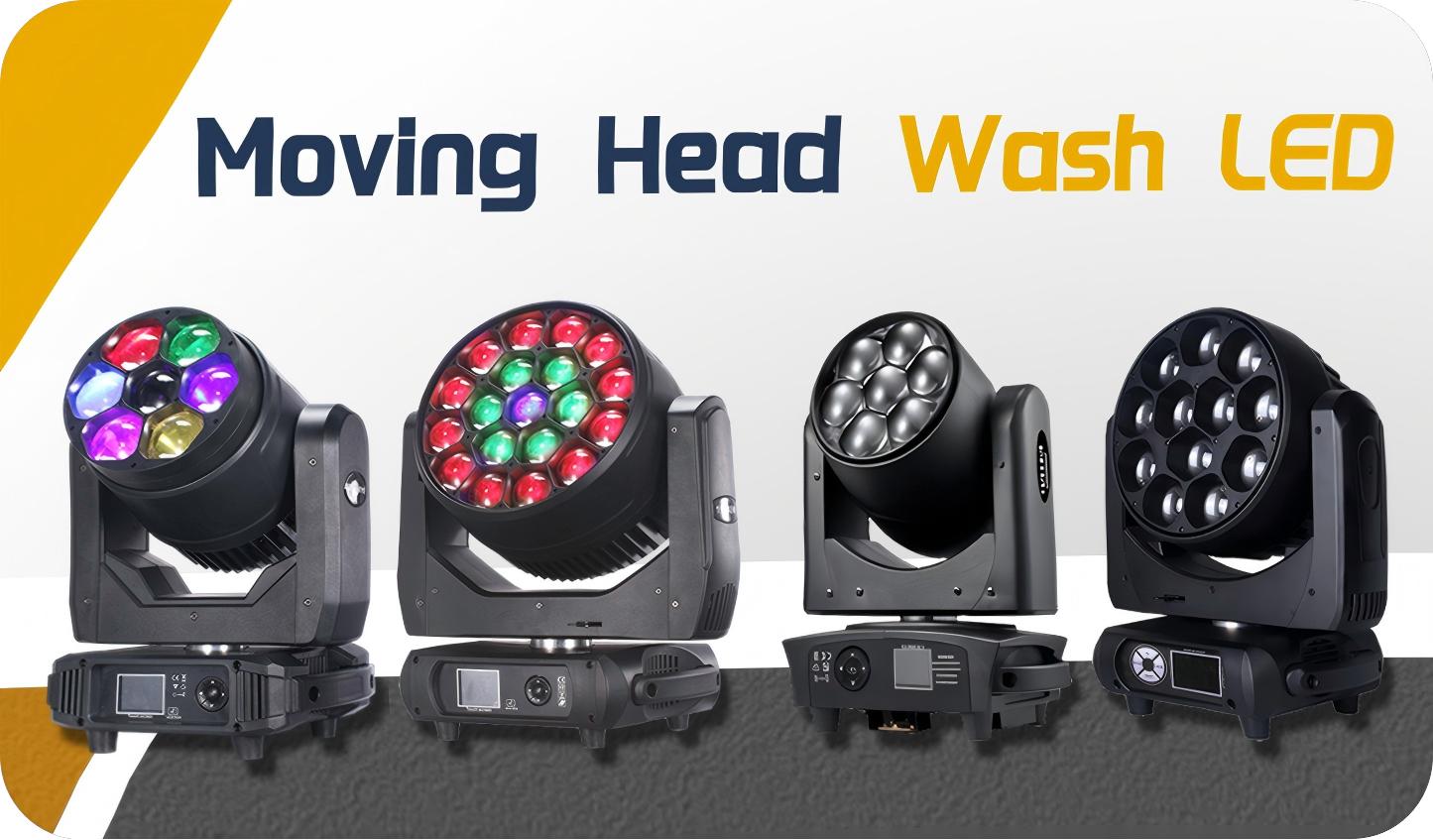 Picking the Perfect LED Moving Head Light
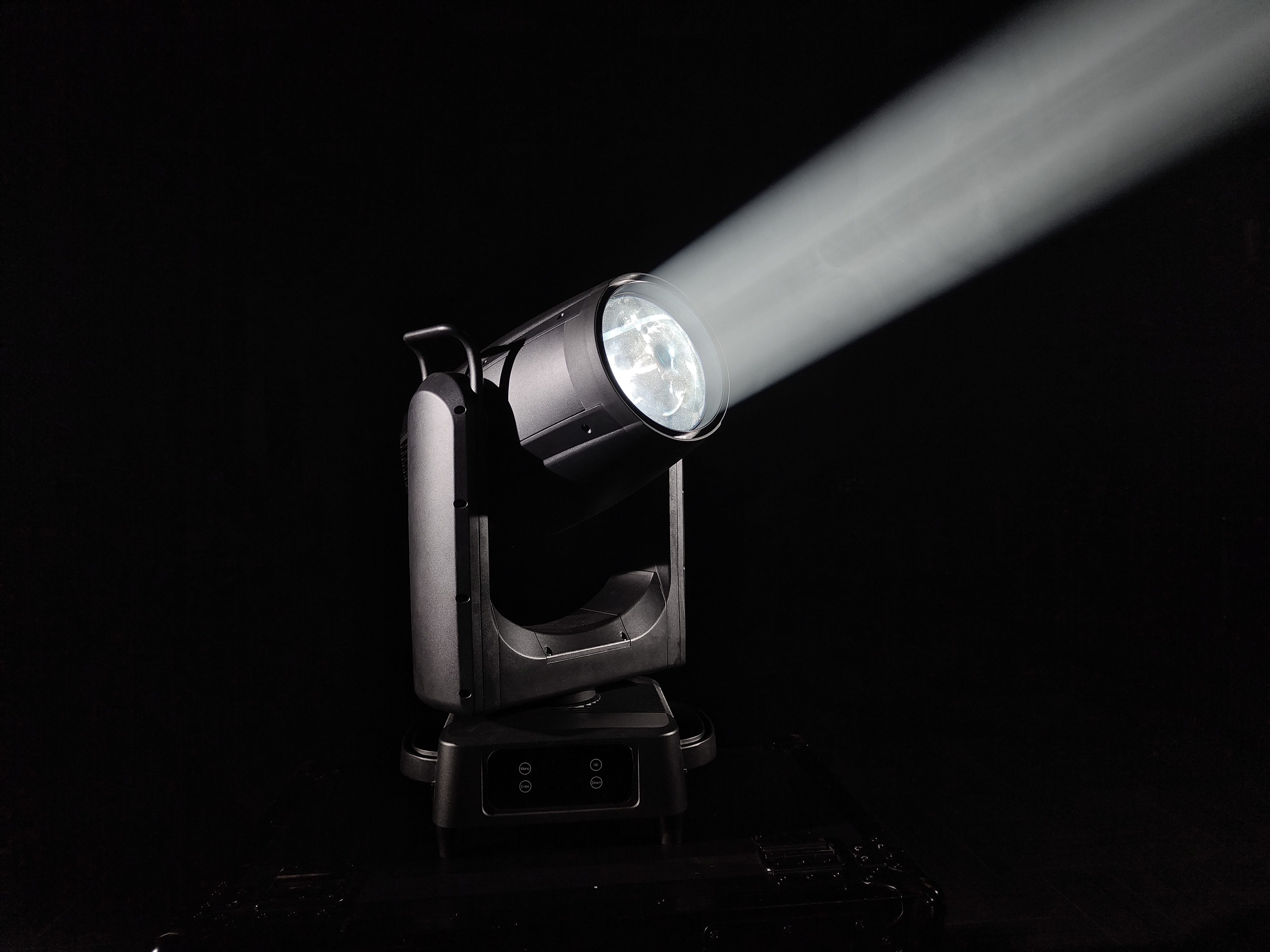 IP Beam 380
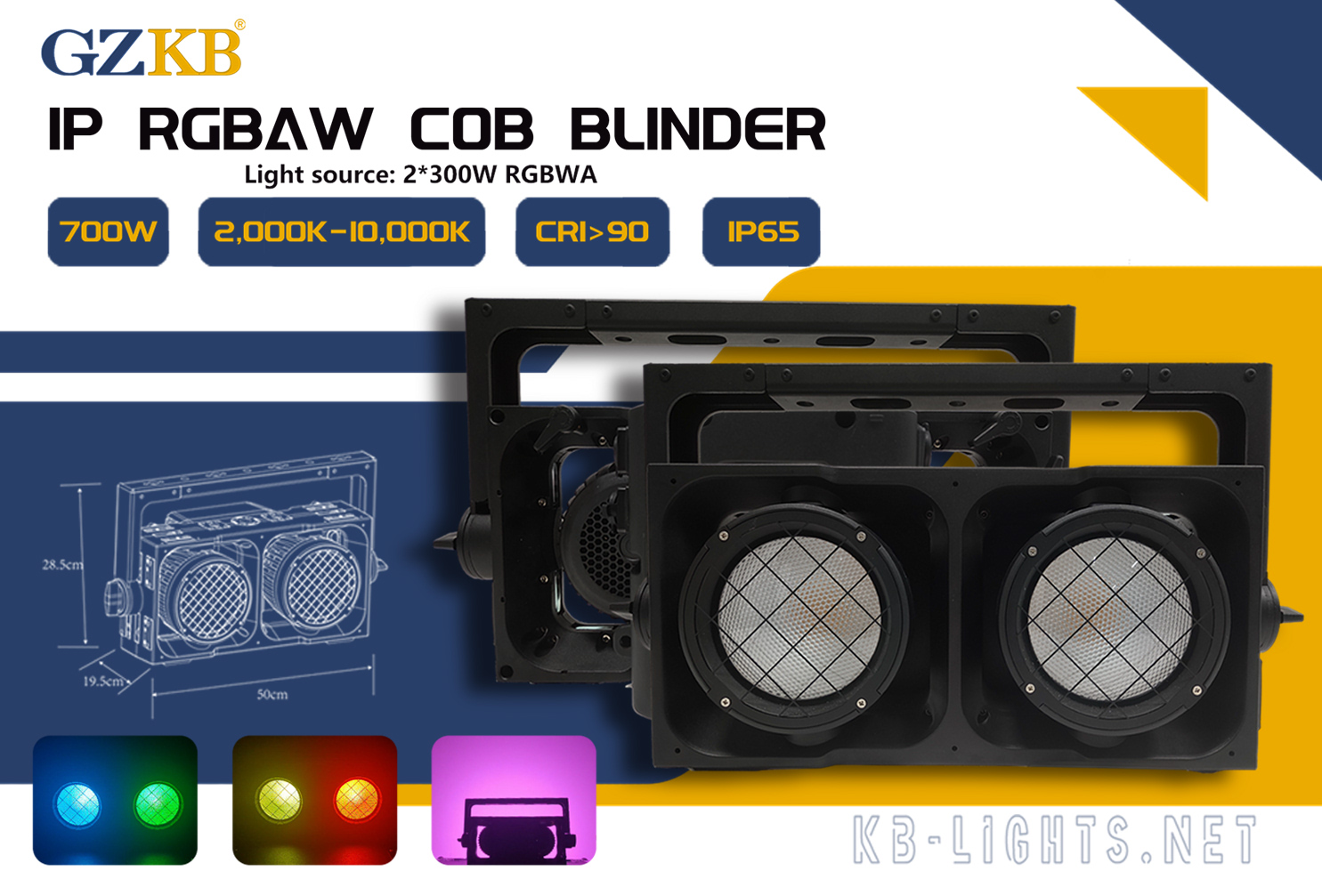 Blinder RGBAW-Super bright waterproof light
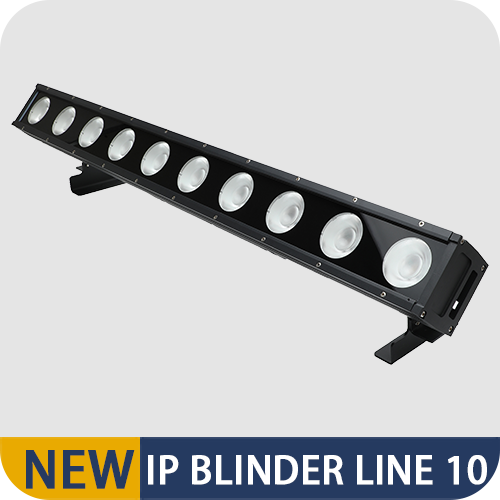 Stage Lighting with IP COB Line Bar Pixel Light
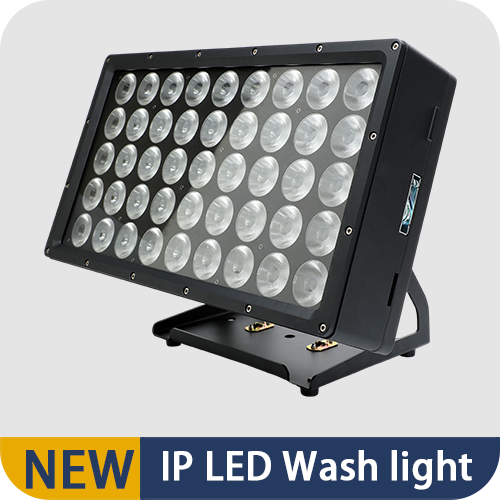 The Versatility of Outdoor LED Wash Lights
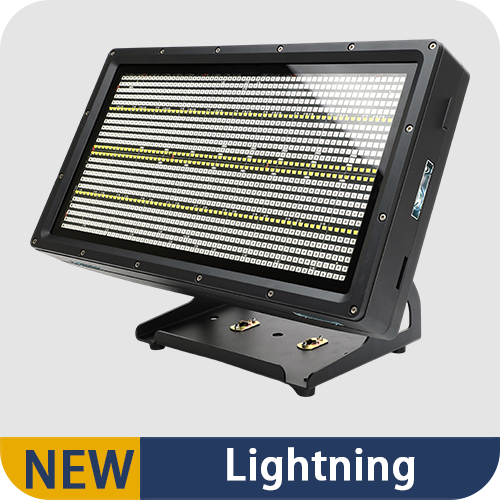 RGB Strobe Lights: The Ultimate in Speed and Intensity
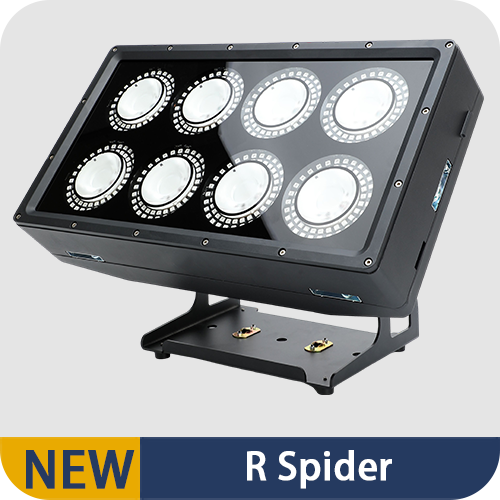 The R Spider: Redefining Blinder Lights for the Modern Stage
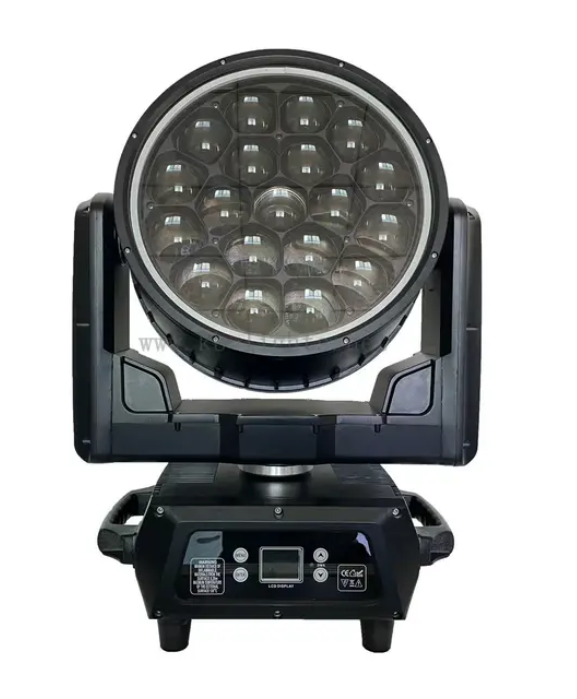 IP Moving Head Lights
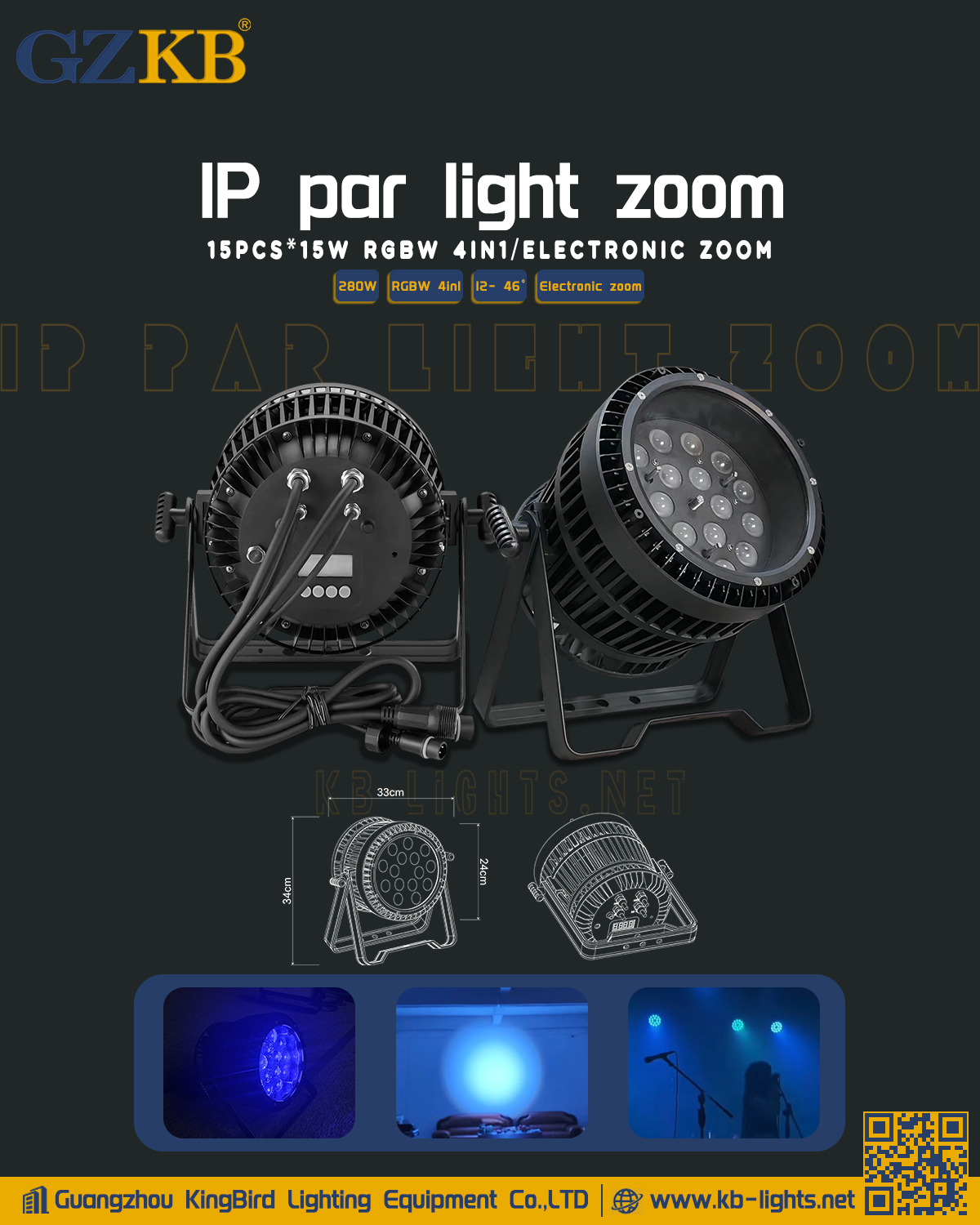 The Power of Illumination: The Zoom PAR Light by KB Lighting
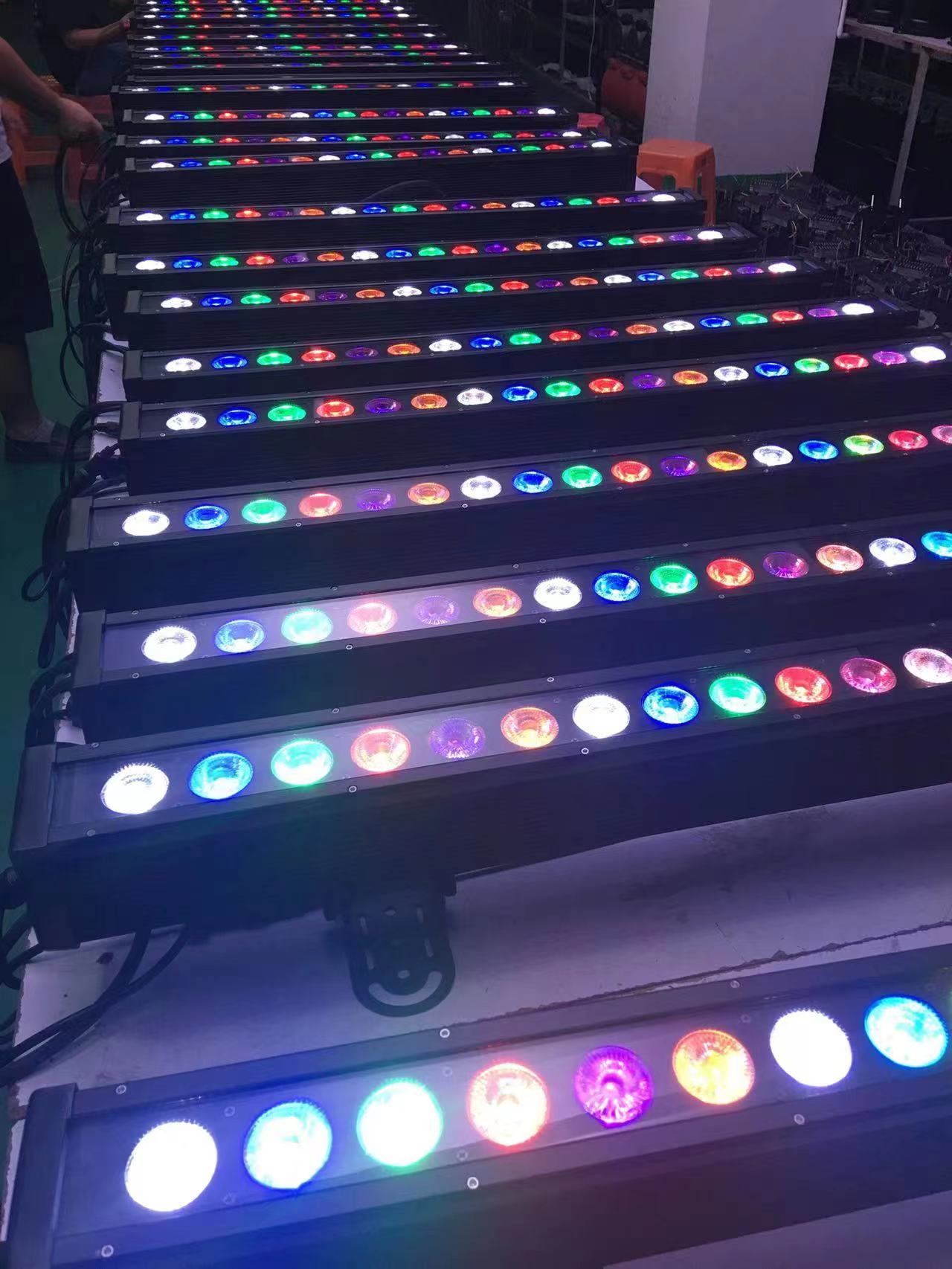 Crafting Ambiance and Energizing Spaces with LED Bar Lights
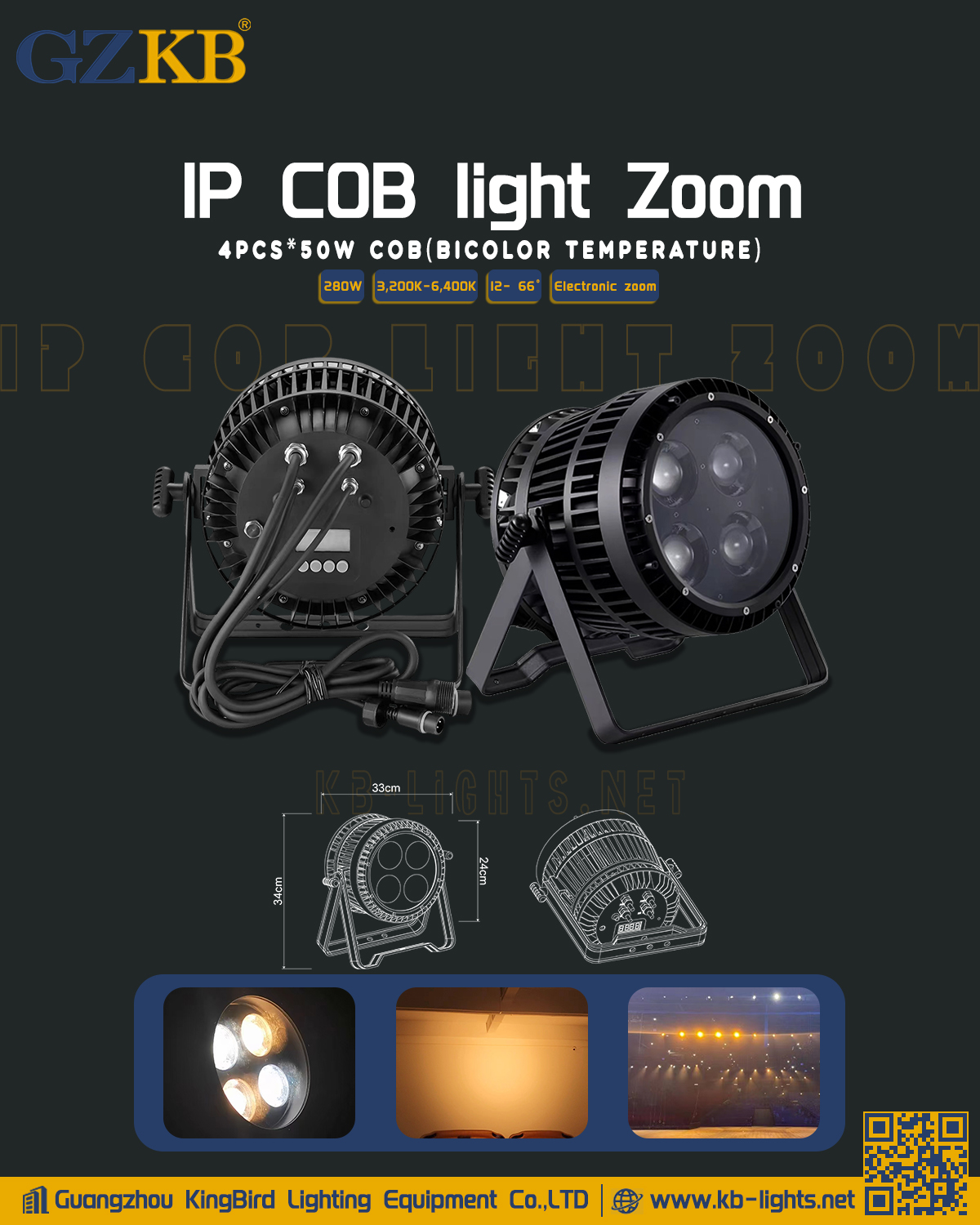 IP COB PAR ZOOM LIGHT