







How to Choose the Right Theatre Fresnel Light
How to Choose the Right Theatre Fresnel Light
Choosing the right Fresnel light is important for creating soft, even, and controllable stage lighting. Theatre Fresnel lights are widely used for front lighting, top lighting, side lighting, and general stage illumination because they can produce a smooth beam with adjustable coverage.
However, different theatre spaces and applications require different specifications. Throw distance, zoom range, color temperature, CRI, noise level, and maintenance requirements should all be considered before selecting a Fresnel light.
1. Understand the Purpose of a Fresnel Light
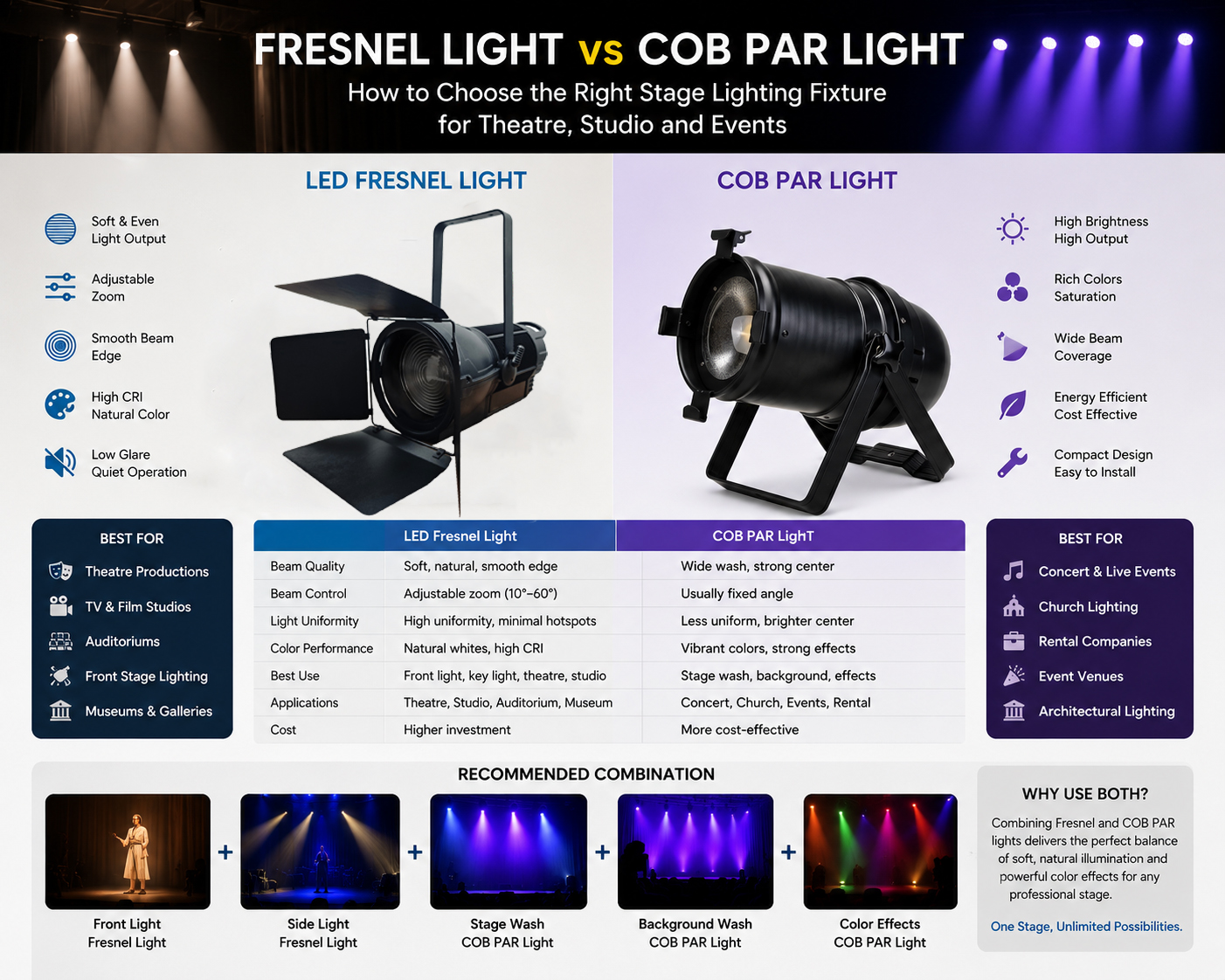
A Fresnel light is designed to provide a soft-edged and evenly distributed beam, making it suitable for general stage illumination and theatrical front lighting. Compared with profile lights, Fresnel fixtures normally provide softer beam edges and are better suited to covering larger areas without sharp beam definition.
Before choosing a fixture, consider where the Fresnel will be installed and what type of lighting effect is required. A theatre may use Fresnel lights for actor front lighting, top lighting, side lighting, or background illumination.
2. Consider the Throw Distance
Throw distance is one of the most important factors when selecting a theatre Fresnel light. The distance between the lighting fixture and the stage area affects the required output and beam coverage.
For short-throw applications, such as small theatres, school auditoriums, studios, and local performance venues, a compact LED Fresnel may provide sufficient output. Larger theatres and professional performance spaces may require higher-power Fresnel lights to maintain adequate brightness over longer distances.
When comparing different models, consider both the LED output and the actual installation distance rather than selecting a fixture based only on wattage.
3. Choose the Right Zoom Range
The zoom range determines how widely the Fresnel beam can be adjusted. A wider zoom range gives lighting designers greater flexibility when working with different stage sizes and installation positions.
For example, a narrow beam angle can be useful when a fixture is installed farther from the stage, while a wider beam angle can help cover a larger performance area from a shorter distance.
For professional theatre applications, a Fresnel with a practical zoom range can reduce the need to change fixtures when the lighting setup or stage configuration changes.
4. Select the Appropriate Color System
The color system is another important consideration. Different productions have different requirements for color temperature, color adjustment, and creative lighting effects.
Warm White Fresnel Lights
Warm white Fresnel lights are commonly used for traditional theatre lighting and applications where a consistent warm color temperature is preferred. They are suitable for theatres, auditoriums, churches, and other venues that mainly require natural and stable white light.
Bi-Color Fresnel Lights
Bi-color Fresnel lights typically combine warm white and cool white LEDs, allowing the color temperature to be adjusted according to different scenes and production requirements.
This type of Fresnel is especially useful for theatres, studios, television production, and multi-purpose venues where different color temperatures may be required for different productions.
RGBAL and RGBLAC Fresnel Lights
RGBAL and RGBLAC Fresnel lights provide a wider color range and greater creative flexibility. They can be used when productions require dynamic color effects, adjustable white light, or more precise color matching.
For professional theatre and studio applications, multi-color LED engines can also provide greater flexibility when one fixture needs to support multiple types of productions.
5. Check CRI and Color Quality
Color rendering is particularly important when Fresnel lights are used for actors, presenters, costumes, scenery, and camera-facing applications.
A high CRI LED Fresnel can reproduce colors more naturally and help maintain consistent skin tones and stage colors. For professional theatre and studio applications, CRI 90 or higher is commonly preferred, depending on the production requirements.
If the fixture will also be used for television, film, or live streaming, it is important to consider color quality together with flicker performance and color consistency between fixtures.
6. Consider Silent Operation
Noise can become an important issue when Fresnel lights are used in theatres, studios, recording spaces, and broadcast environments.
Cooling fans are necessary for many high-power LED fixtures, but poorly designed cooling systems can produce noticeable fan noise. For quiet environments, look for Fresnel lights designed with efficient heat dissipation and low-noise or silent fan systems.
A quiet lighting fixture helps reduce unwanted background noise during performances, filming, recording, and live broadcasting.
7. Evaluate Build Quality and Maintenance
A professional theatre Fresnel light should be designed for frequent use and easy maintenance. Check the housing construction, heat dissipation system, LED life, power supply quality, connectors, display, and control system before making a purchasing decision.
For rental companies and production suppliers, reliability is particularly important because lighting fixtures may be transported frequently and used in different venues.
It is also useful to consider whether spare parts, technical support, firmware updates, and OEM/ODM services are available from the manufacturer.
Common Applications for Theatre Fresnel Lights
LED Fresnel lights can be used in a wide range of professional and commercial lighting environments, including:
- Theatre front lighting
- Top lighting and side lighting
- School auditoriums
- Churches and worship venues
- TV and broadcast studios
- Performing arts centers
- Multi-purpose venues
- Rental and production companies
LED Fresnel lights are also increasingly replacing traditional halogen Fresnels because they can provide lower power consumption, longer service life, reduced heat output, and lower maintenance requirements.
Conclusion
Choosing the right theatre Fresnel light requires more than simply comparing wattage. Throw distance, zoom range, color system, CRI, noise level, build quality, and maintenance should all be considered according to the actual application.
For theatres, studios, churches, auditoriums, and rental applications, selecting a Fresnel light with the right combination of output, beam control, color quality, and reliability can provide more consistent lighting performance and greater flexibility for different productions.
Frequently Asked Questions
What is a Fresnel light used for in theatre?
A Fresnel light is commonly used for soft and even stage illumination, including front lighting, top lighting, side lighting, and general area lighting.
What beam angle is best for theatre Fresnel lighting?
The appropriate beam angle depends on the throw distance and coverage area. A narrower beam is generally useful for longer distances, while a wider beam can provide broader coverage at shorter distances. A zoom Fresnel offers greater flexibility for different applications.
Are LED Fresnel lights better than halogen Fresnel lights?
LED Fresnel lights can offer lower power consumption, longer LED life, reduced heat output, and easier color control compared with traditional halogen fixtures. The appropriate choice depends on the requirements of the specific production.
What CRI is recommended for theatre Fresnel lights?
For professional theatre and studio applications, CRI 90 or higher is commonly preferred when accurate color reproduction is important.
Can Fresnel lights be used in TV studios?
Yes. LED Fresnel lights are widely suitable for TV studios and broadcast environments, especially models with high CRI, stable color output, adjustable color temperature, and low-noise cooling systems.
 How to Choose the Right Theatre Profile Light
  Why LED Panel Lights Are Replacing Traditional Soft Lights in Modern Theatres and Studios
  Fresnel vs COB PAR Light: How to Choose the Right Stage Lighting Fixture for Theatre, Studio and Events
  Leko Profile Lights: The Runway Standard for Fashion Shows
  The Profile & Fresnel Series: Upgraded Theatre Lights from Kb Lighting
 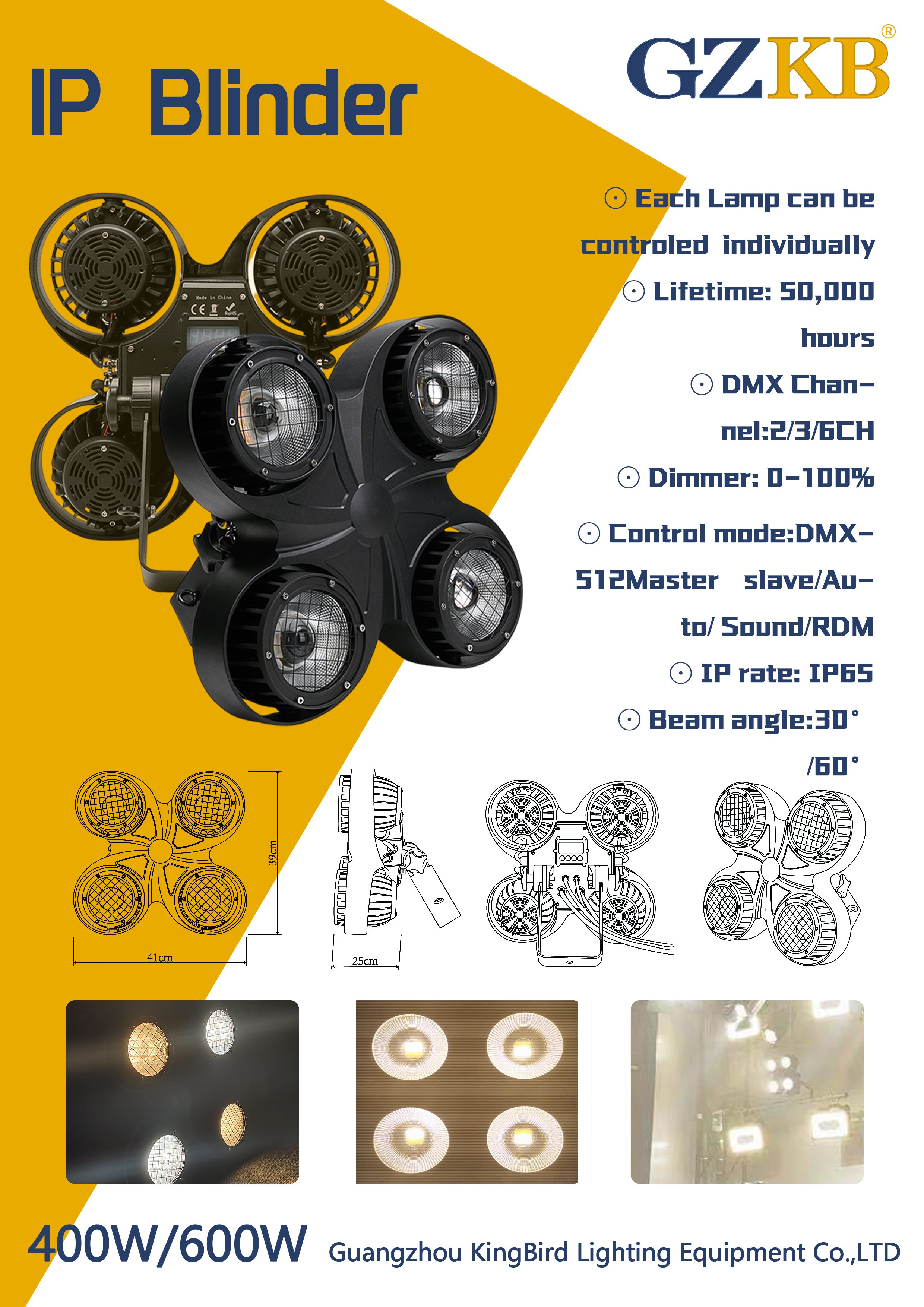 4 Common LED Blinder Problems (And How KB Lights Solved Them)
  Picking the Perfect LED Moving Head Light
  IP Beam 380
 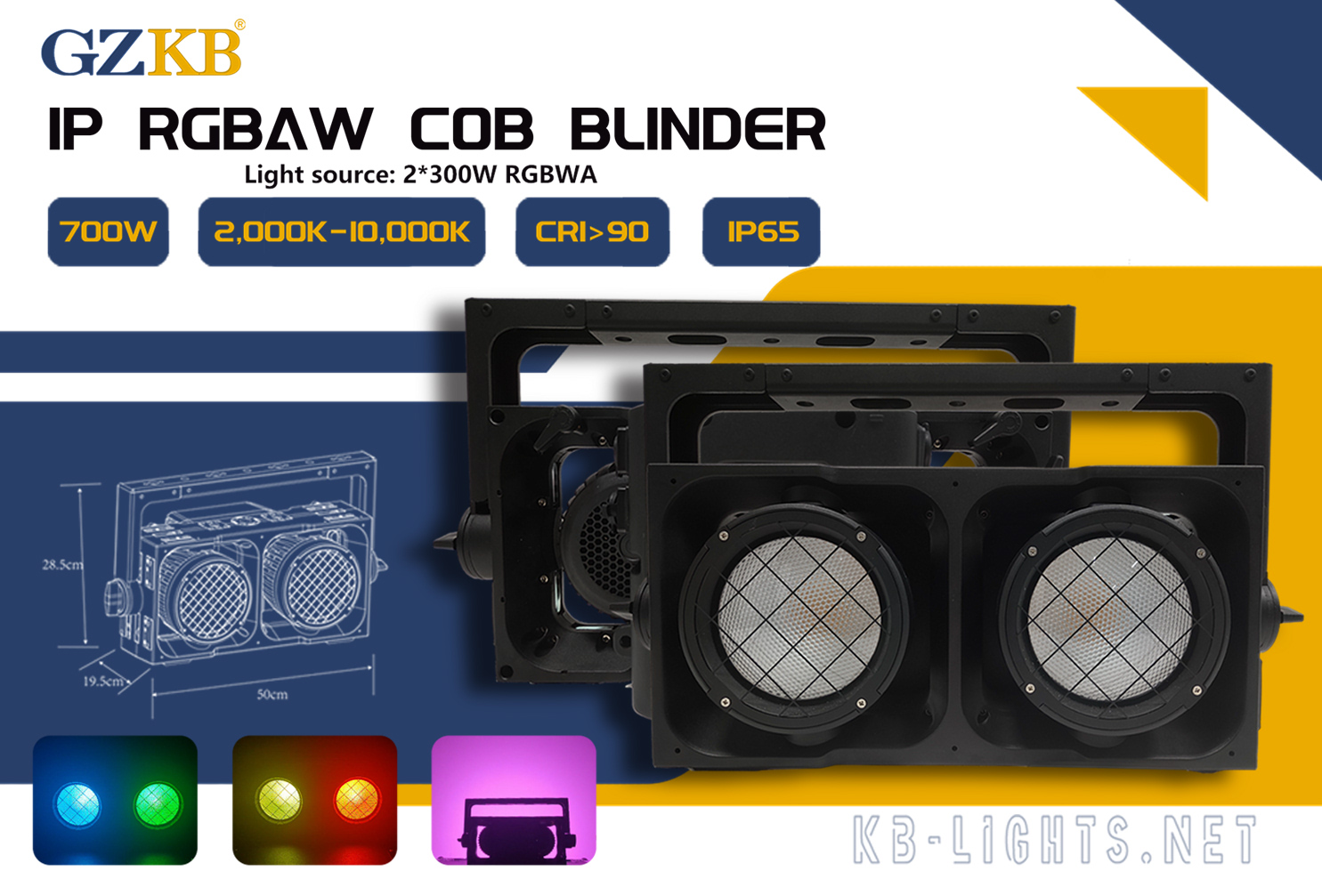 Blinder RGBAW-Super bright waterproof light
  Stage Lighting with IP COB Line Bar Pixel Light
 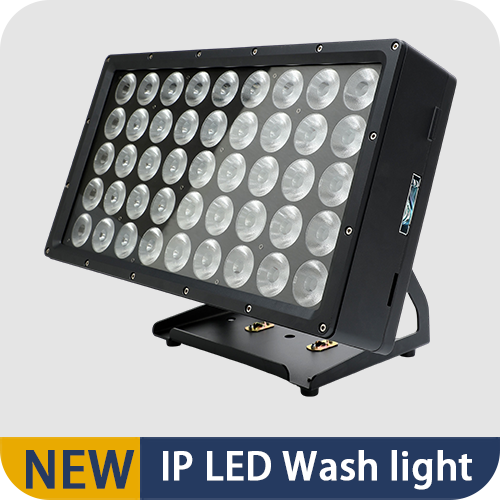 The Versatility of Outdoor LED Wash Lights
 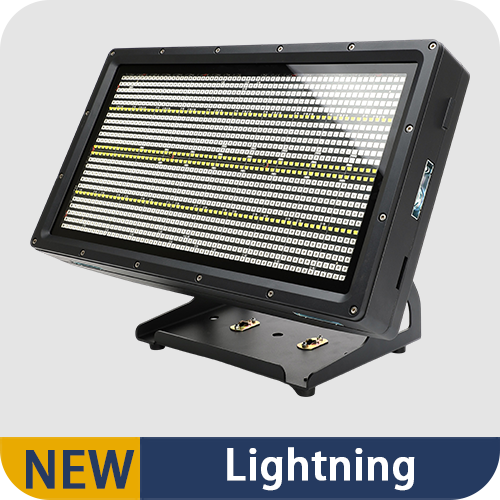 RGB Strobe Lights: The Ultimate in Speed and Intensity
 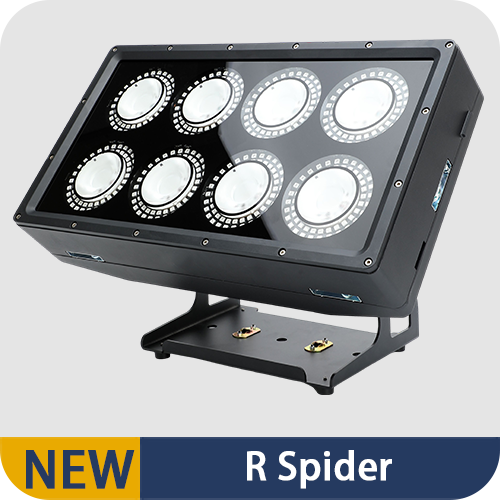 The R Spider: Redefining Blinder Lights for the Modern Stage
 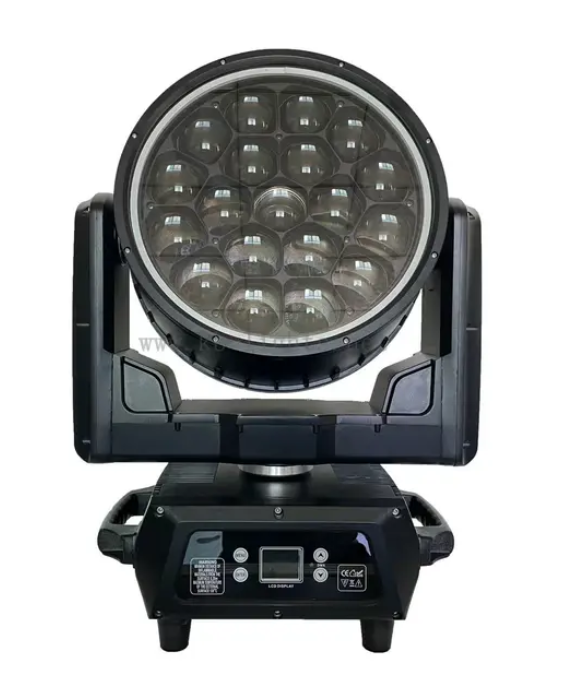 IP Moving Head Lights
 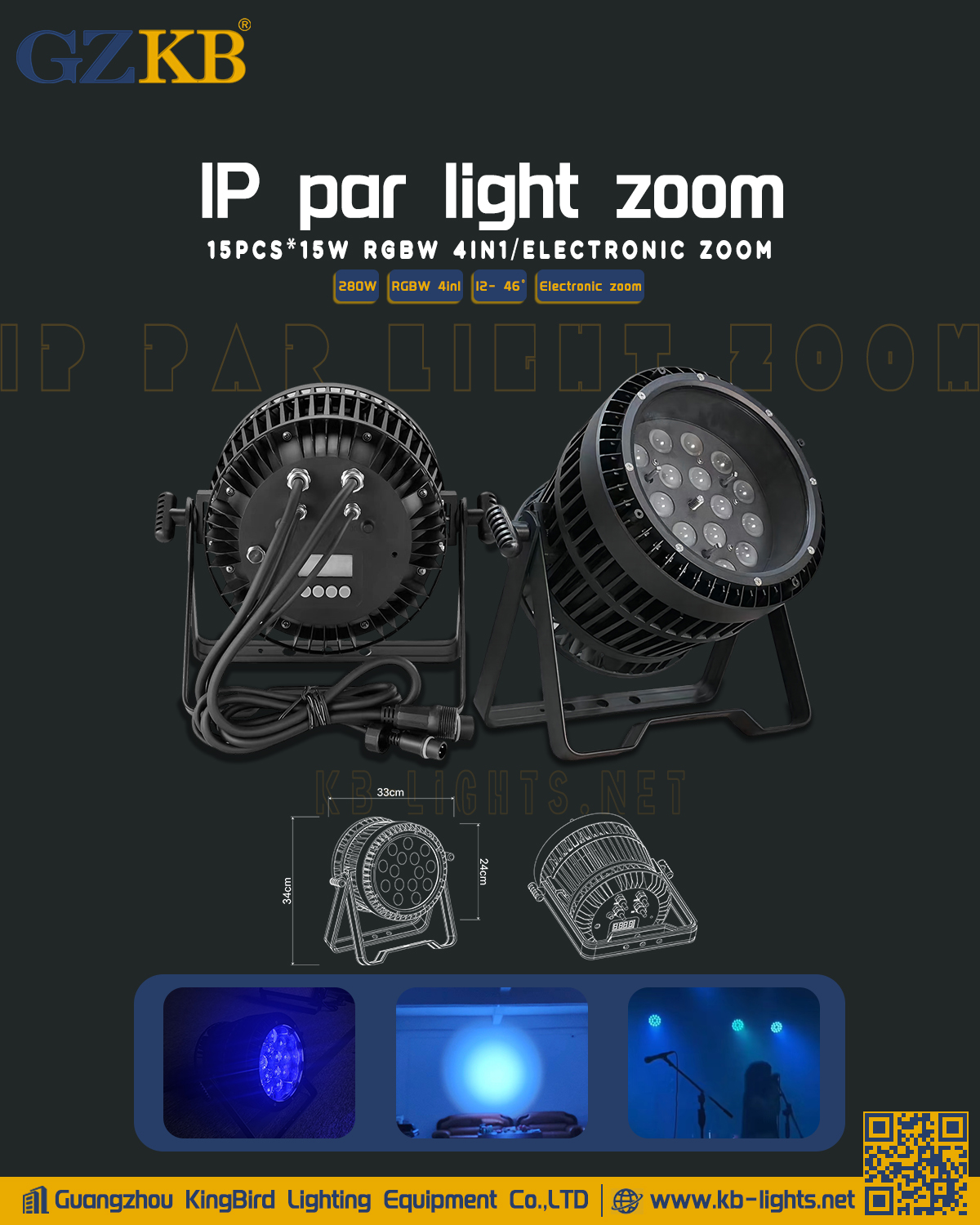 The Power of Illumination: The Zoom PAR Light by KB Lighting
 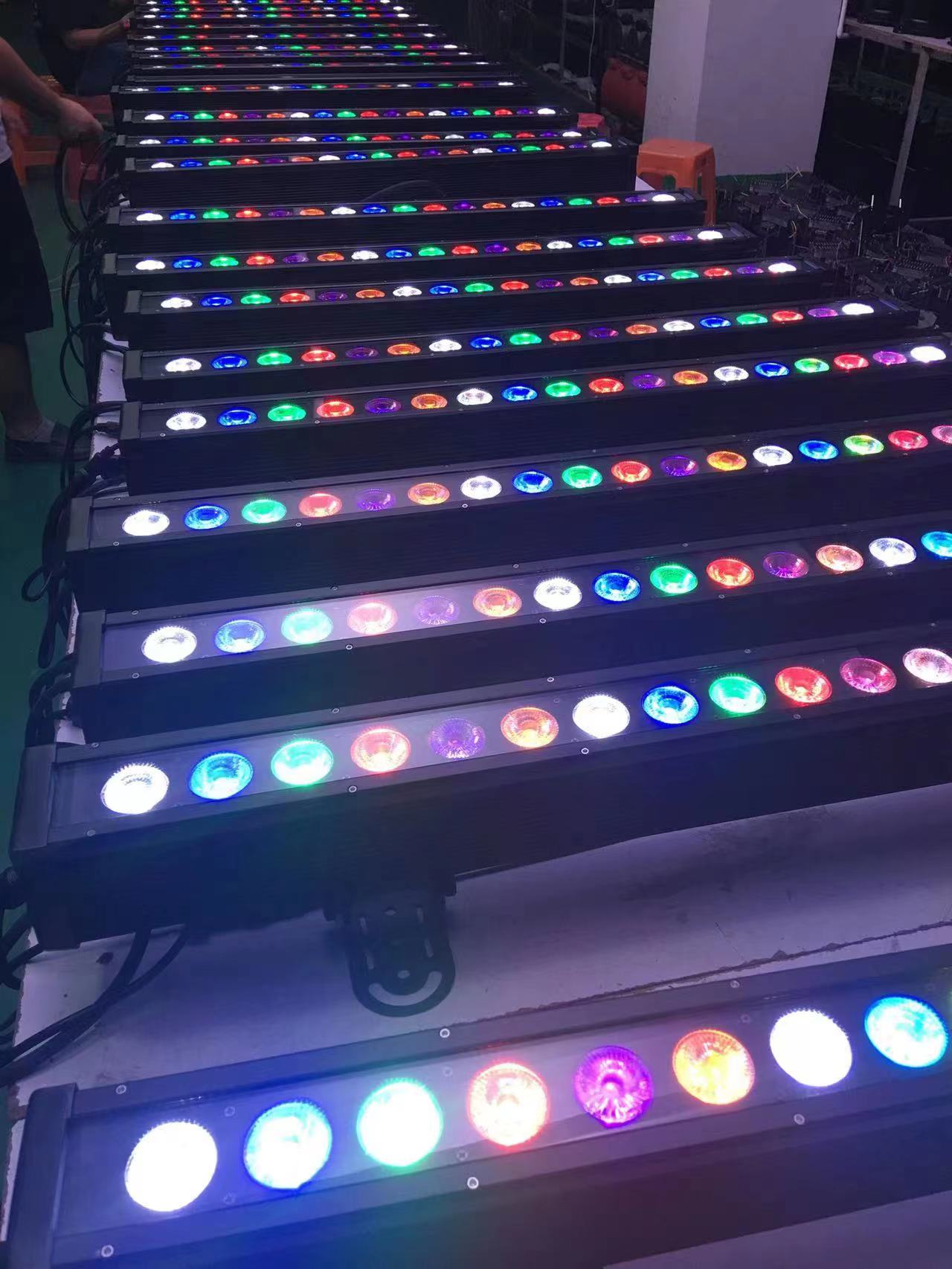 Crafting Ambiance and Energizing Spaces with LED Bar Lights
 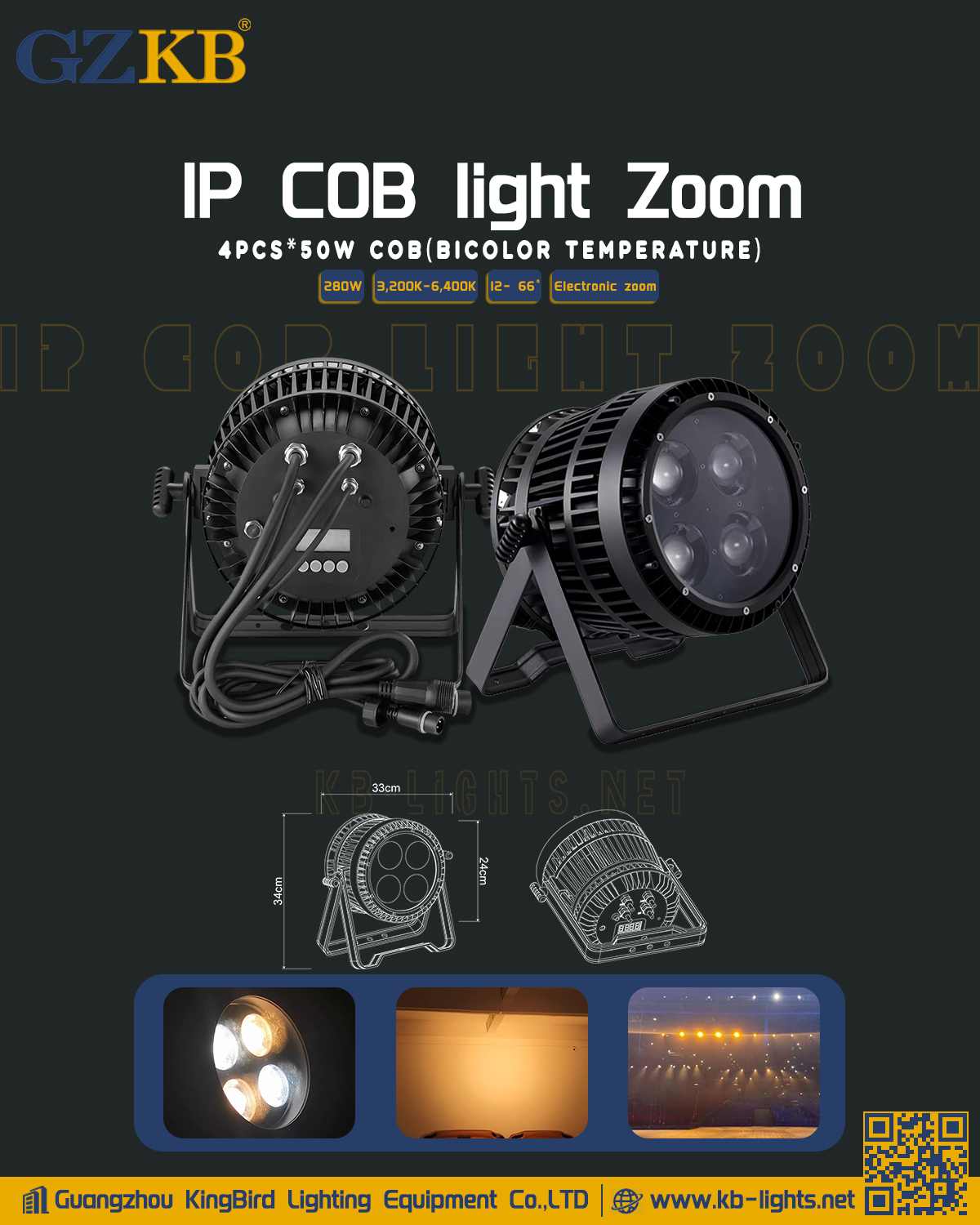 IP COB PAR ZOOM LIGHT
  Illuminate Your Stage with the Versatility of Moving Head Lights
 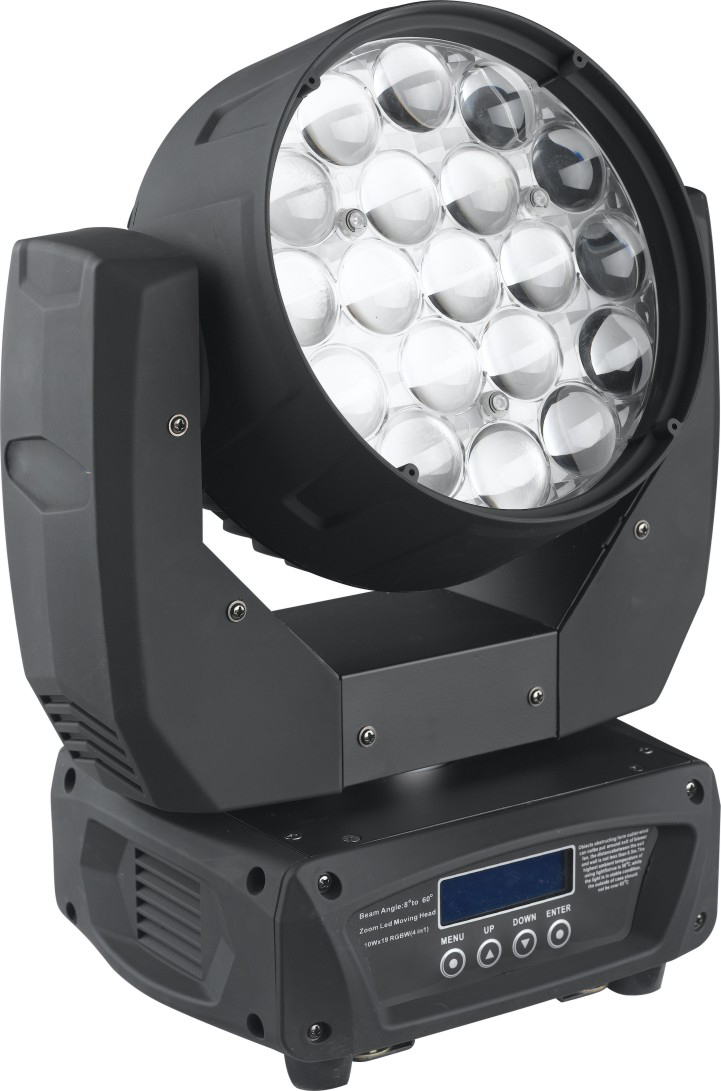 The 1915Aura Moving Head Light
  light studio