







Picking the Perfect LED Moving Head Light
2025-09-15
When it comes to crafting unforgettable stage performances, concerts, theater productions, events, and large-scale activities, moving head lights serve as the unsung heroes that bring magic to life. These intelligent lighting fixtures—equipped with motorized pan and tilt functions, color mixing capabilities, zoom features, gobos, and more—can transform any space into a captivating spectacle. However, with an overwhelming array of options available in the market, how do you determine which one best suits your needs? Here is a comprehensive guide designed to assist you in making the perfect selection.
I. Familiarize Yourself with the Main Types of Moving Head Lights
I. Familiarize Yourself with the Main Types of Moving Head Lights
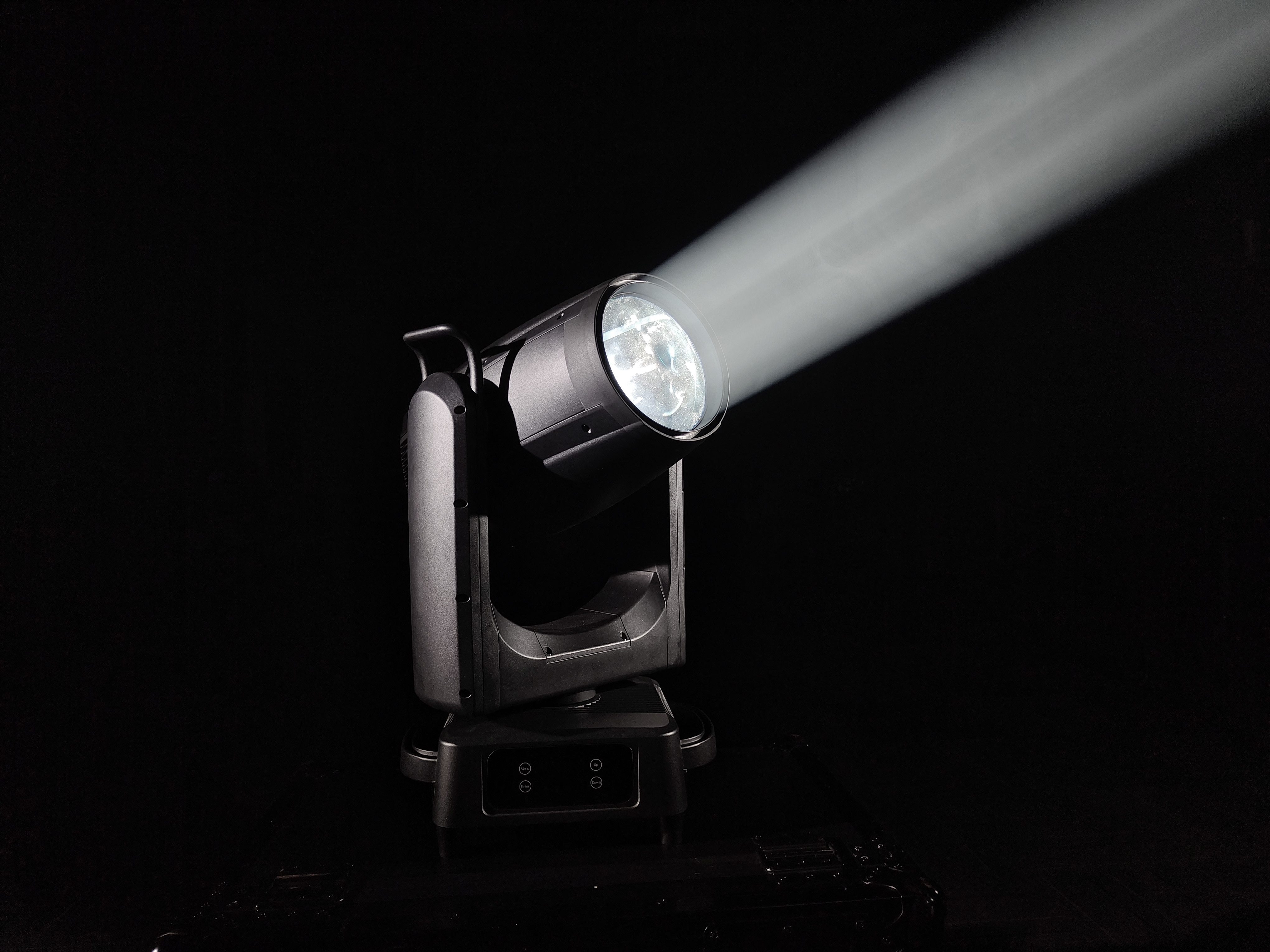
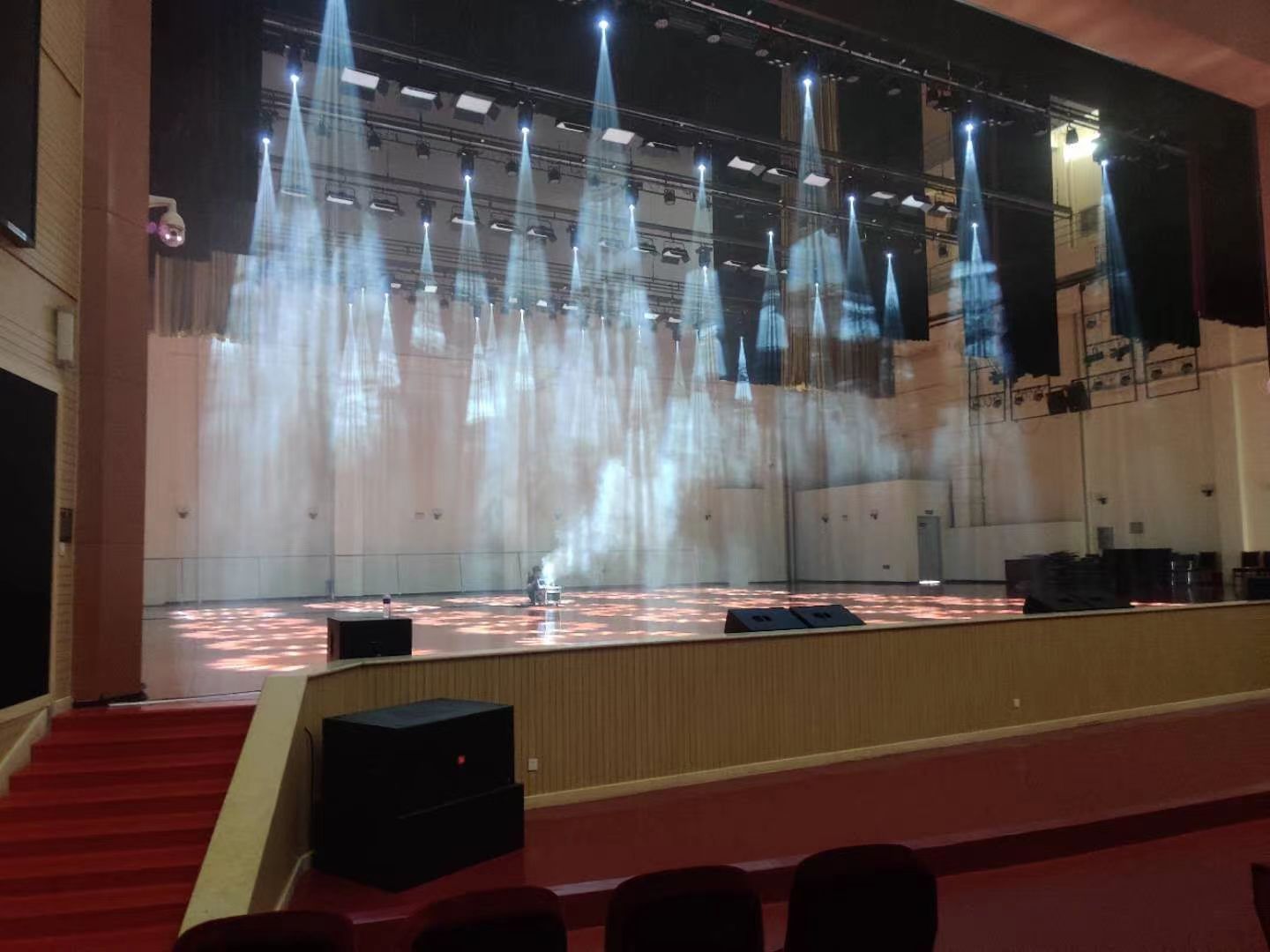
Beam Lights:These lights produce ultra-tight beams that can project over long distances—ideal for creating stunning aerial effects in environments enhanced by haze. Picture the dramatic sky-high beams illuminating a massive concert; this exemplifies the power of beam lights.
Spot Lights:Featuring focused beams and capable of utilizing gobos (patterns), spot lights can cast intricate designs and textures onto the stage. They are particularly effective for highlighting specific areas or performers while adding an element of theatrical enchantment.
Wash Lights: If your goal is to illuminate a large area with soft and even coverage, wash lights are your optimal choice. They excel at bathing stages in ambient colors that set the mood for entire performances.
Hybrid (3-in-1) Lights:As their name suggests, these versatile fixtures combine features from beam lights, spot lights, and wash lights into one adaptable package. They function as a Swiss Army knife for stage lighting solutions by offering maximum flexibility across various effects
Spot Lights:Featuring focused beams and capable of utilizing gobos (patterns), spot lights can cast intricate designs and textures onto the stage. They are particularly effective for highlighting specific areas or performers while adding an element of theatrical enchantment.
Wash Lights: If your goal is to illuminate a large area with soft and even coverage, wash lights are your optimal choice. They excel at bathing stages in ambient colors that set the mood for entire performances.
Hybrid (3-in-1) Lights:As their name suggests, these versatile fixtures combine features from beam lights, spot lights, and wash lights into one adaptable package. They function as a Swiss Army knife for stage lighting solutions by offering maximum flexibility across various effects
II. Match the Lighting to Your Venue and Event
Large Venues and Outdoor Events: When illuminating a stadium or an outdoor festival, it is essential to utilize lights that can project significant power over extended distances. High brightness and long throw coverage are critical in these scenarios.
Theater and Close-Up Performances: For performances where the audience is in close proximity to the action, high CRI (Color Rendering Index) lights are indispensable. These lights ensure accurate rendering of skin tones and colors, thereby enhancing the overall performance experience.
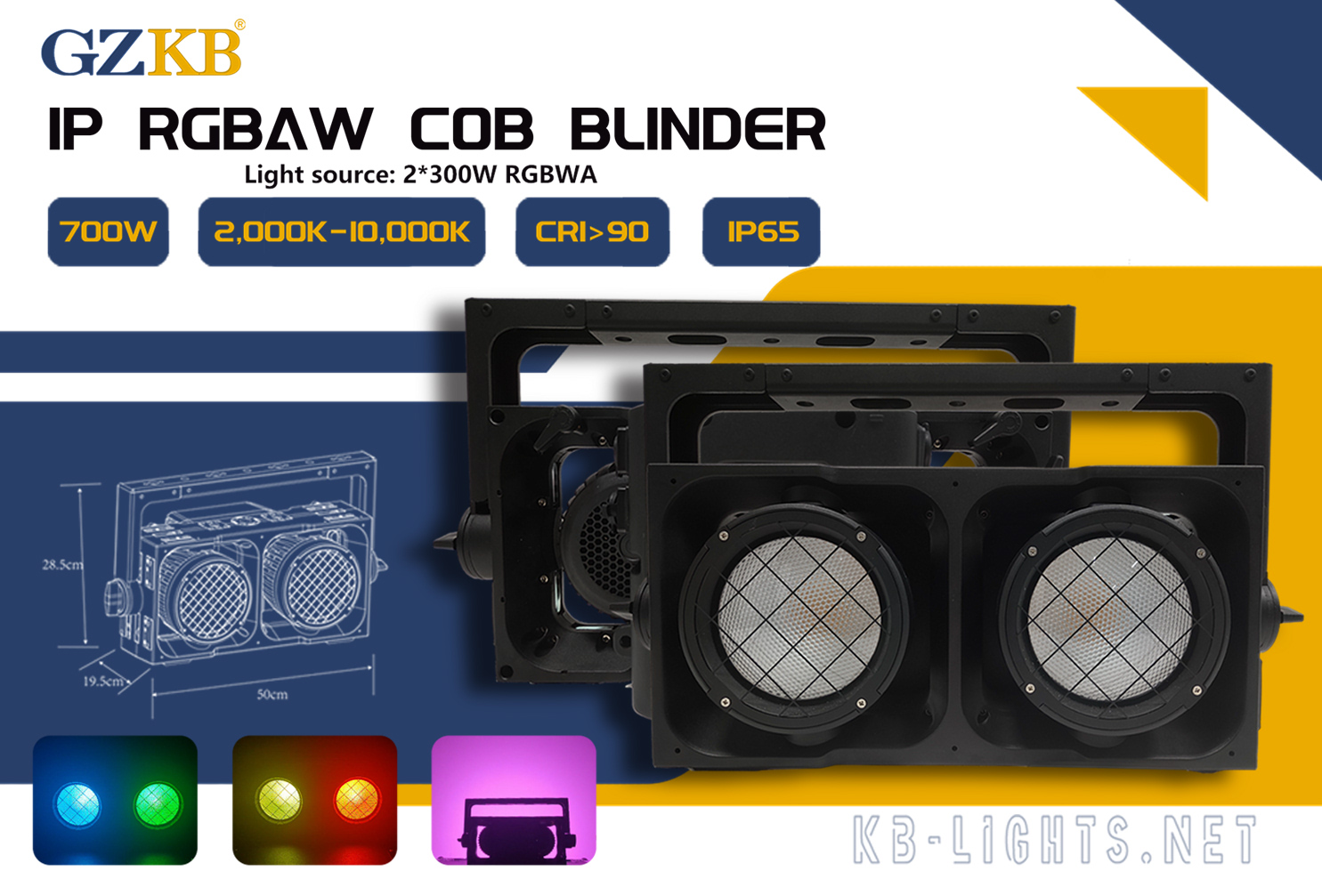
Outdoor Conditions: Given that weather can be unpredictable, if you are setting up outdoors, it is advisable to select lights with an IP65 rating. This designation indicates that they are resistant to both water and dust, ensuring durability against environmental elements.
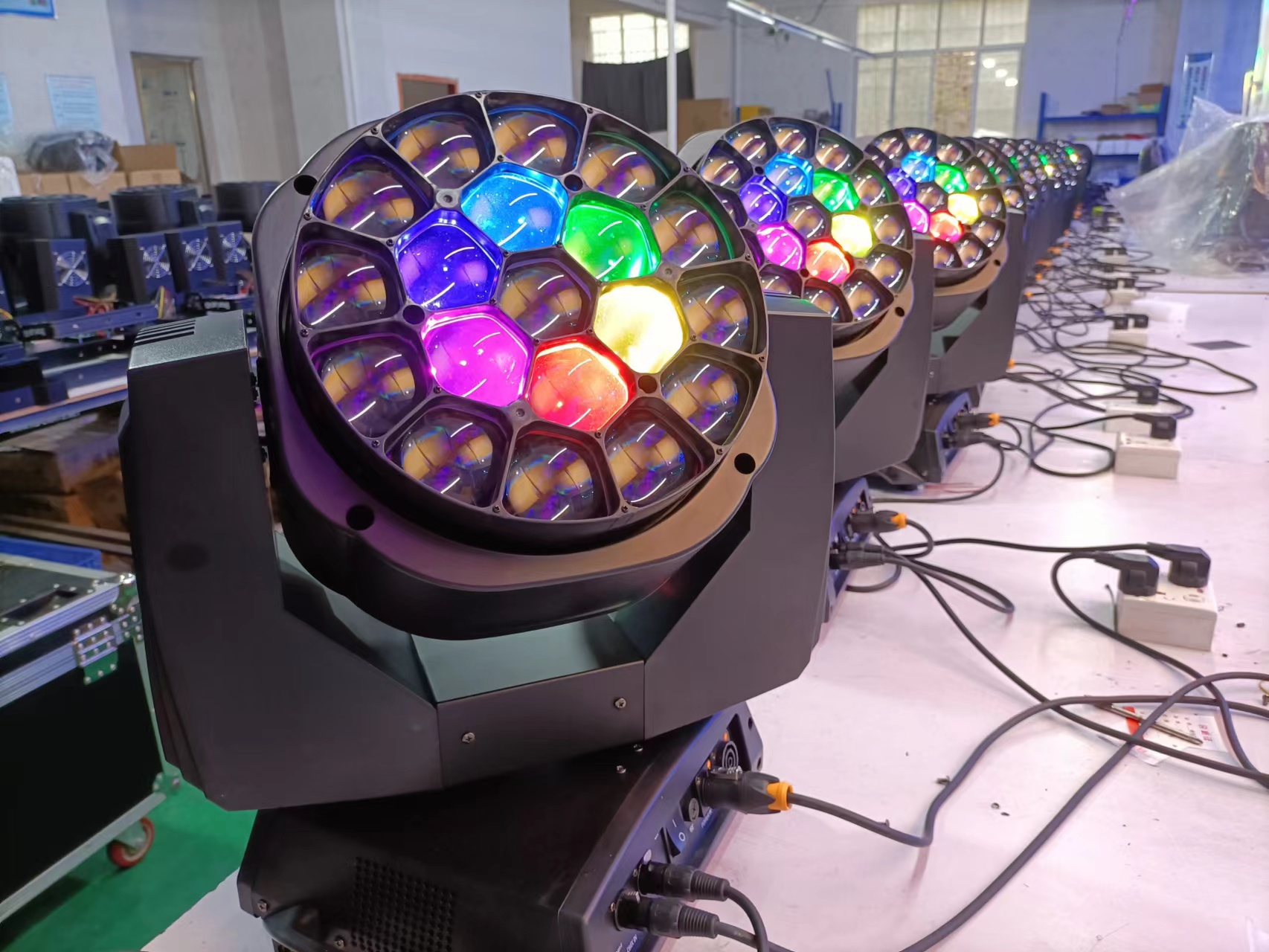
III. Prioritize Brightness and LED Configuration
Brightness serves as the foundation of any stage lighting setup. Higher wattage or multiple LEDs typically result in increased output brightness and improved color mixing capabilities. When making your selection, consider both the size of your venue and the specific effects you wish to achieve. RGBW (Red, Green, Blue, White) or CMY (Cyan, Magenta, Yellow) color mixing systems provide a broad spectrum of vibrant colors, offering you the flexibility needed to create any desired aesthetic.
IV. Evaluate the Control Systems and Usability
The control system serves as the brain of your moving head light. DMX512 is recognized as the industry standard for integrating lights into your rig; however, modern fixtures often provide additional features. Look for functionalities such as Art-Net, RDM, auto modes, and sound activation. These enhancements can simplify both setup and operation of your lighting equipment, even in complex productions.
V. Check the Motion, Optics, and Effects
Pan/Tilt: The capability to move smoothly and precisely is essential. Fixtures with a 540° pan range and a 270° tilt range—controlled with 16-bit precision—offer unparalleled smoothness and accuracy in movement.
Zoom/Focus: The ability to adjust beam width or focus on specific areas is crucial. This flexibility allows you to transition from a narrow beam to an expansive wash or concentrate on individual performers.
Effects: Features such as gobos, prisms, frost filters, and color wheels enhance depth and variety within your lighting design. They can transform a basic fixture into a dynamic visual element.
VI. Set Your Budget and Focus on Value
While budget-friendly options are available in the market, it is important to remember that quality often correlates with price. Mid-range models from reputable brands typically offer an optimal balance between quality and cost-effectiveness. These units generally feature superior build quality, more reliable performance, along with the necessary support to ensure seamless operation of your lighting systems.
Brightness serves as the foundation of any stage lighting setup. Higher wattage or multiple LEDs typically result in increased output brightness and improved color mixing capabilities. When making your selection, consider both the size of your venue and the specific effects you wish to achieve. RGBW (Red, Green, Blue, White) or CMY (Cyan, Magenta, Yellow) color mixing systems provide a broad spectrum of vibrant colors, offering you the flexibility needed to create any desired aesthetic.
IV. Evaluate the Control Systems and Usability
The control system serves as the brain of your moving head light. DMX512 is recognized as the industry standard for integrating lights into your rig; however, modern fixtures often provide additional features. Look for functionalities such as Art-Net, RDM, auto modes, and sound activation. These enhancements can simplify both setup and operation of your lighting equipment, even in complex productions.
V. Check the Motion, Optics, and Effects
Pan/Tilt: The capability to move smoothly and precisely is essential. Fixtures with a 540° pan range and a 270° tilt range—controlled with 16-bit precision—offer unparalleled smoothness and accuracy in movement.
Zoom/Focus: The ability to adjust beam width or focus on specific areas is crucial. This flexibility allows you to transition from a narrow beam to an expansive wash or concentrate on individual performers.
Effects: Features such as gobos, prisms, frost filters, and color wheels enhance depth and variety within your lighting design. They can transform a basic fixture into a dynamic visual element.
VI. Set Your Budget and Focus on Value
While budget-friendly options are available in the market, it is important to remember that quality often correlates with price. Mid-range models from reputable brands typically offer an optimal balance between quality and cost-effectiveness. These units generally feature superior build quality, more reliable performance, along with the necessary support to ensure seamless operation of your lighting systems.
VII. Your Shopping Checklist
- Type: Decide if you need a beam, spot, wash, or hybrid light based on the flexibility you require.
- Brightness: Match the LED output and wattage to the size of your venue and the effects you want.
- Color Mixing: Opt for RGBW or CMY for a wide color palette and consider CRI for accurate color rendering.
- Movement & Optics: Look for zoom, gobo/prism effects, and precise pan/tilt movement.
- Control Features: Ensure the light supports DMX, Art-Net, and has user-friendly features like auto modes and sound activation.
- Durability: Check the build quality, IP rating, cooling system, and vendor support.
- Cost & ROI: Balance the upfront cost with the features and long-term usability of the light.
VIII. Conclusion
Picking the right moving head light is all about understanding your specific needs. Whether you’re aiming to create dynamic stage visuals, dramatic theater cues, or flexible rental setups, the right light can elevate your production and captivate your audience. By considering the type, brightness, color control, movement capabilities, and control systems, you can select a light that not only meets your current needs but also stands the test of time.
If you’re on the hunt for top-notch moving head lights, Kingbird Lighting has got you covered. With years of experience in the industry, we offer a wide range of moving head lights designed to meet the demands of any stage. Our lights are built with advanced technology and high-quality materials, ensuring top performance and durability. Plus, our dedicated customer support is always here to help. Contact us today and let’s light up your stage together!
 How to Choose the Right Theatre Fresnel Light
  How to Choose the Right Theatre Profile Light
  Why LED Panel Lights Are Replacing Traditional Soft Lights in Modern Theatres and Studios
 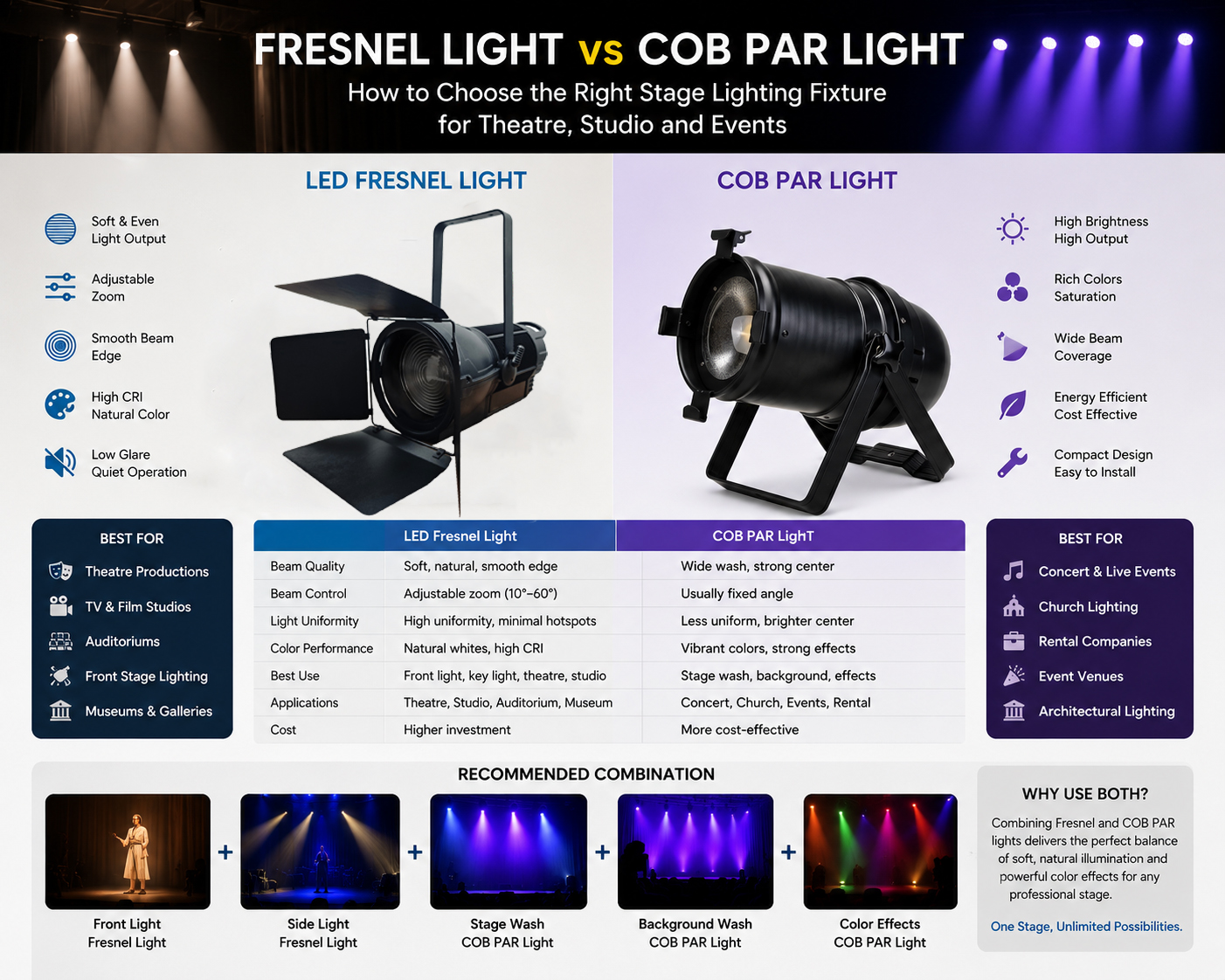 Fresnel vs COB PAR Light: How to Choose the Right Stage Lighting Fixture for Theatre, Studio and Events
 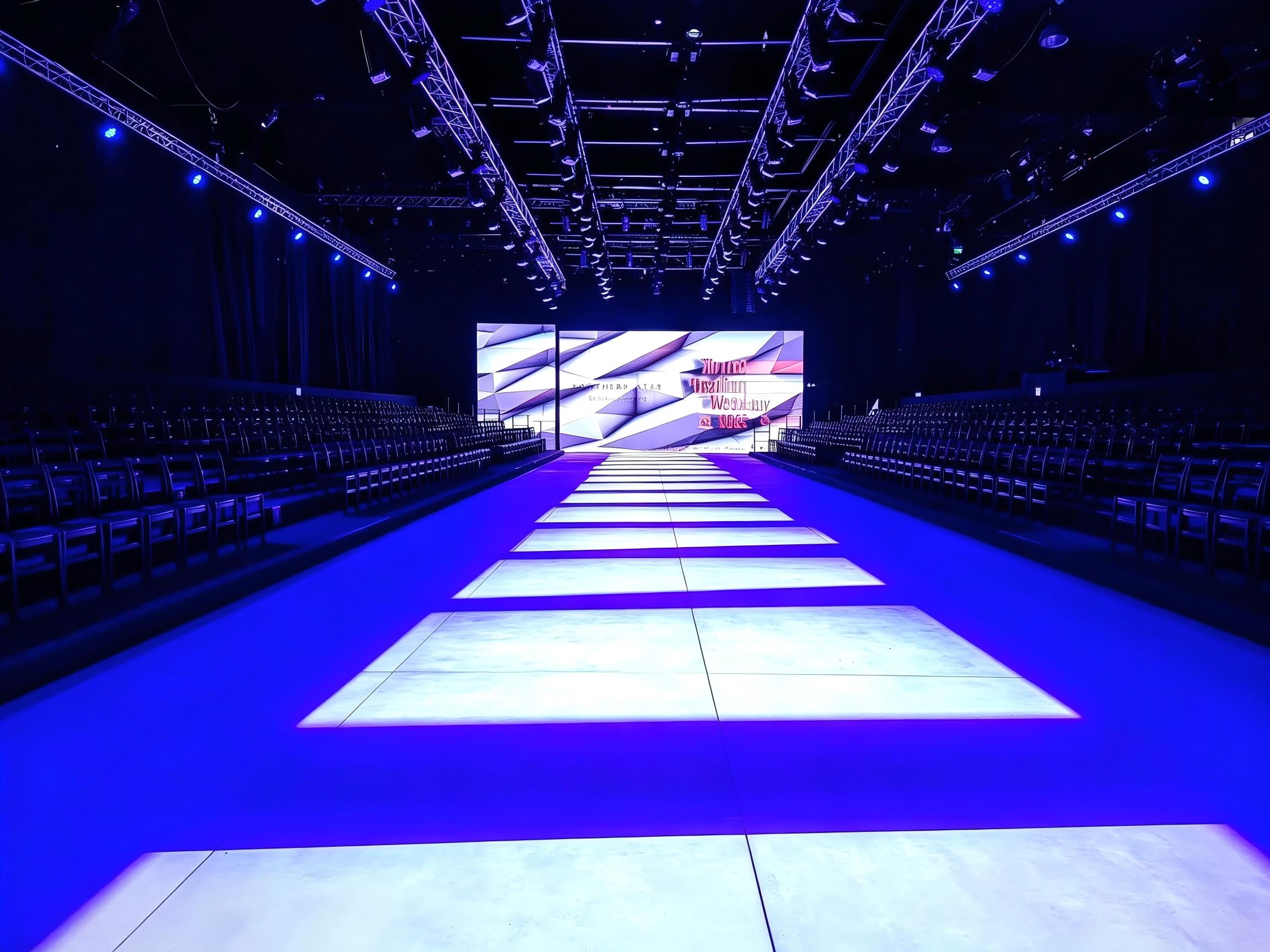 Leko Profile Lights: The Runway Standard for Fashion Shows
 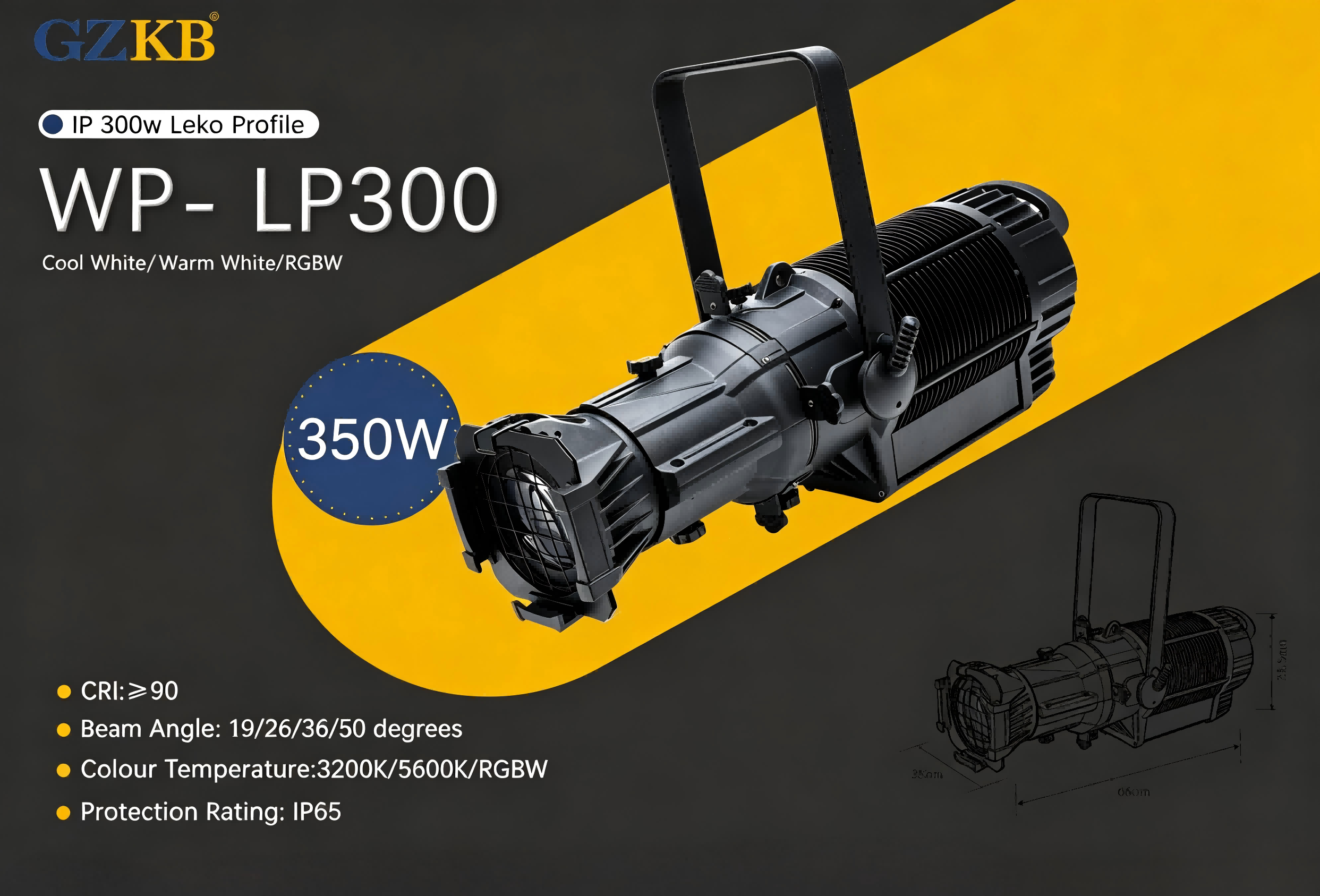 The Profile & Fresnel Series: Upgraded Theatre Lights from Kb Lighting
 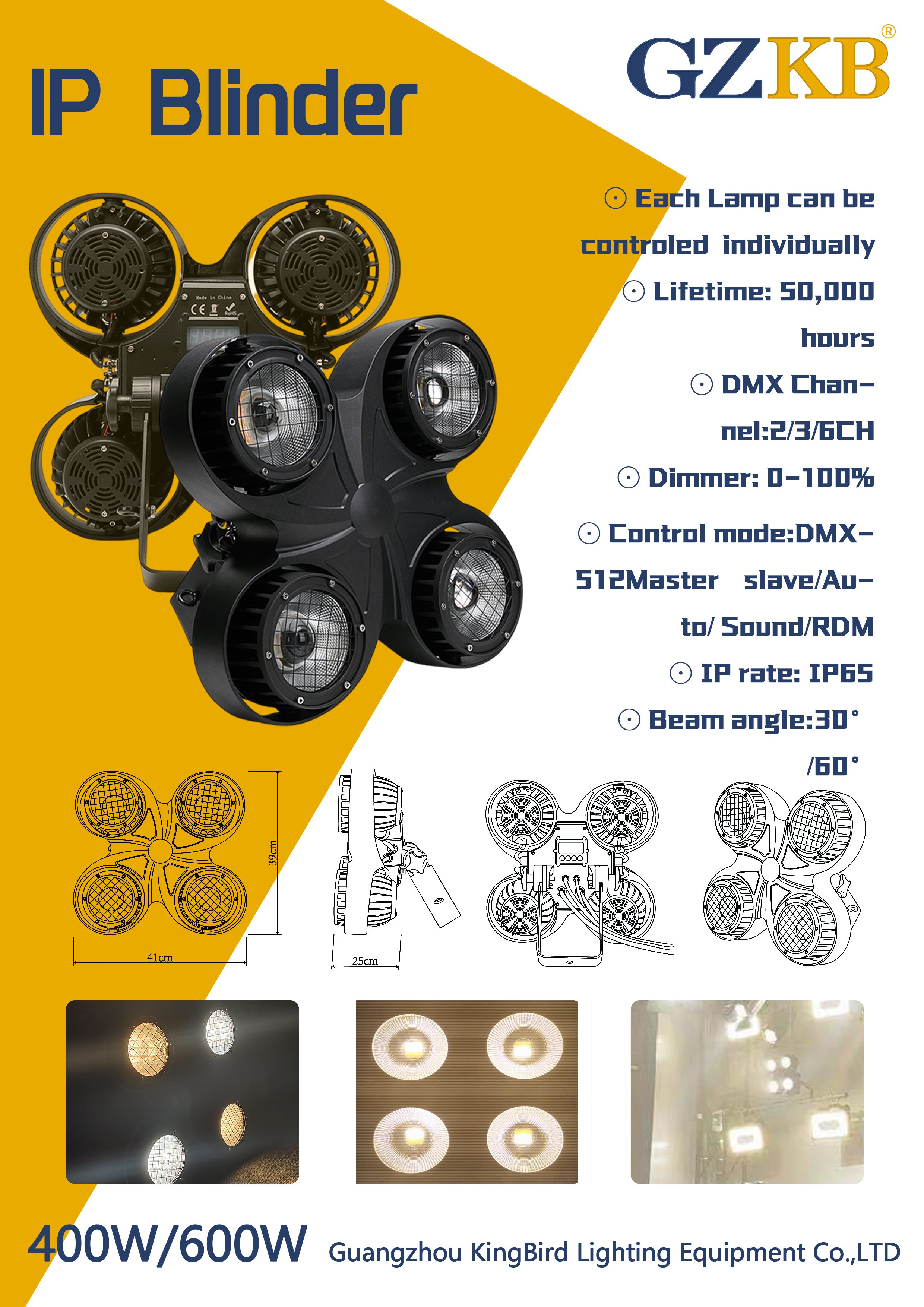 4 Common LED Blinder Problems (And How KB Lights Solved Them)
  IP Beam 380
  Blinder RGBAW-Super bright waterproof light
  Stage Lighting with IP COB Line Bar Pixel Light
  The Versatility of Outdoor LED Wash Lights
  RGB Strobe Lights: The Ultimate in Speed and Intensity
 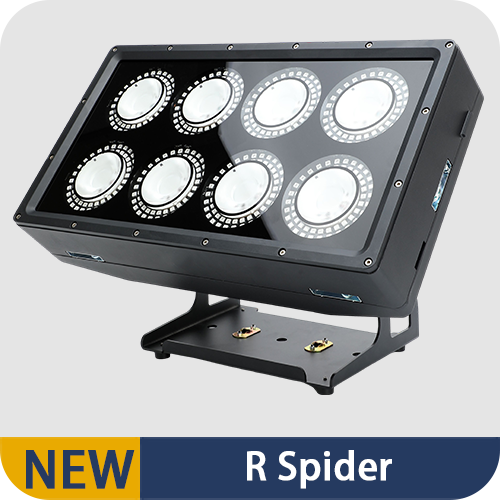 The R Spider: Redefining Blinder Lights for the Modern Stage
 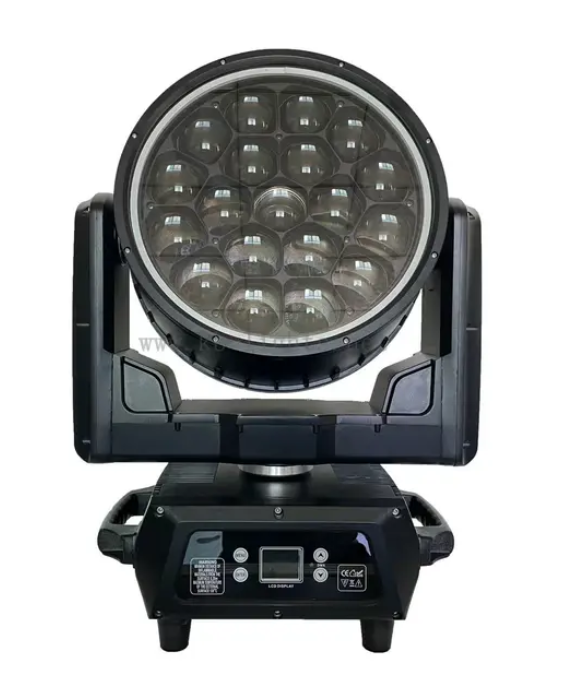 IP Moving Head Lights
 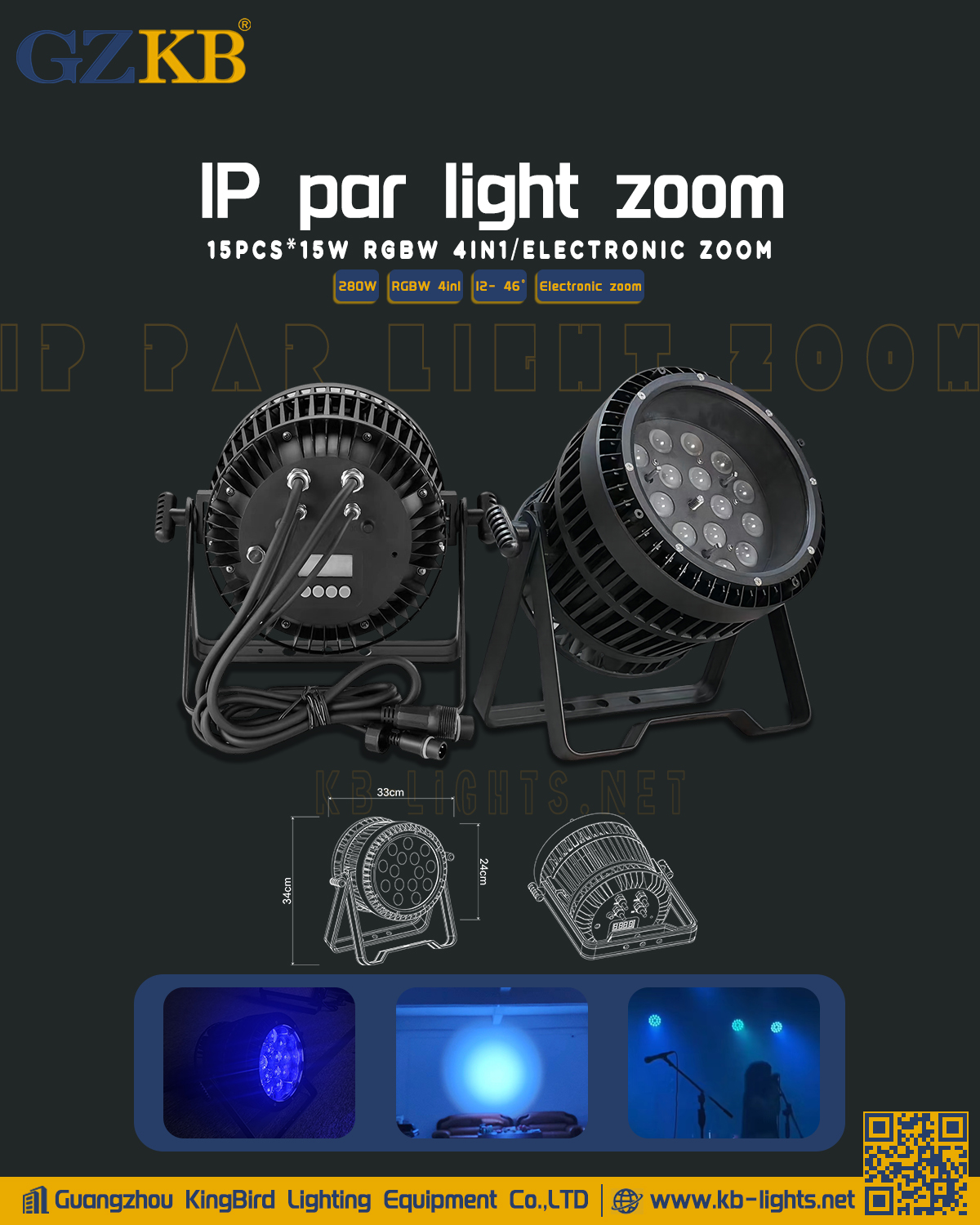 The Power of Illumination: The Zoom PAR Light by KB Lighting
 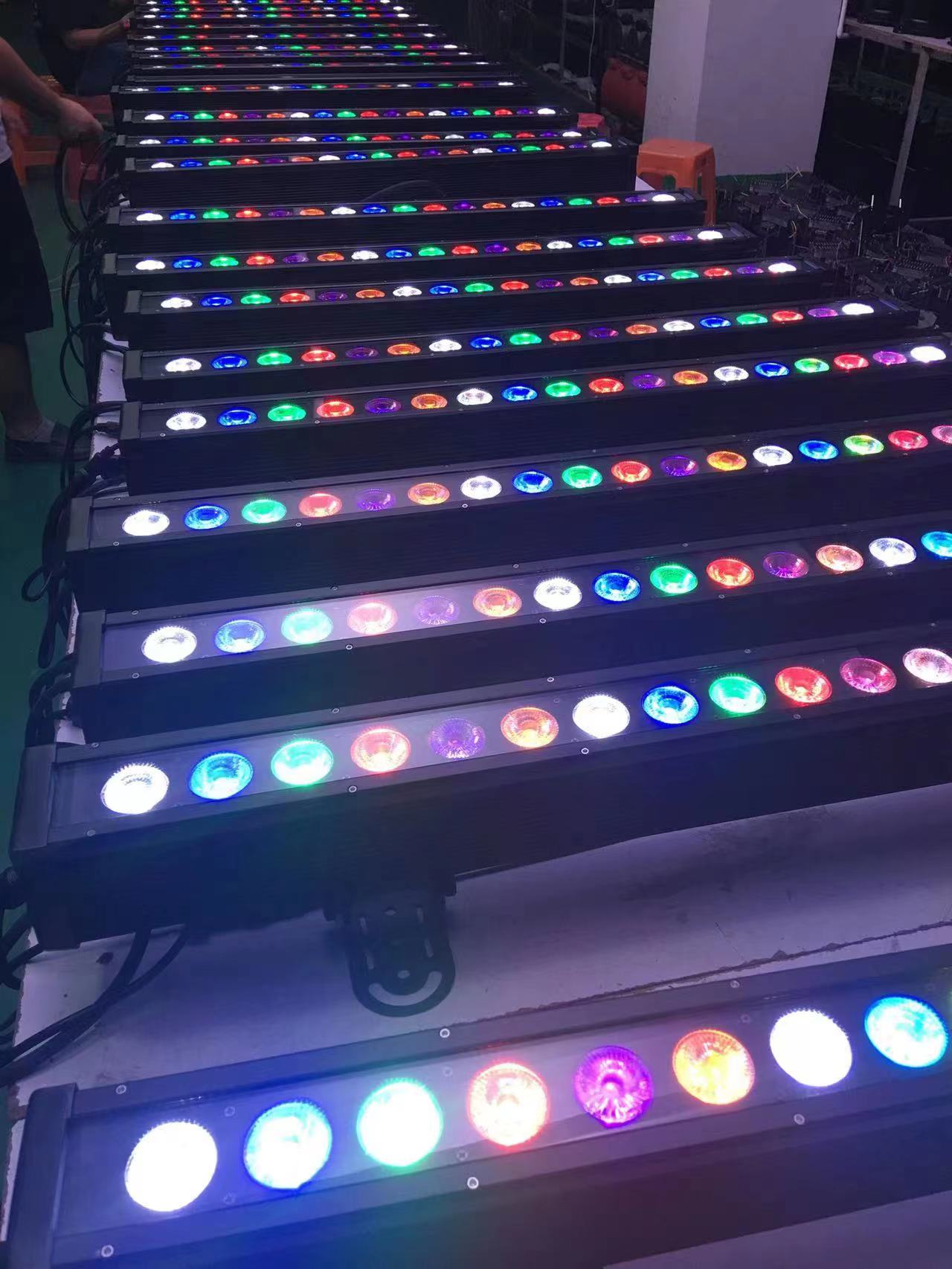 Crafting Ambiance and Energizing Spaces with LED Bar Lights
 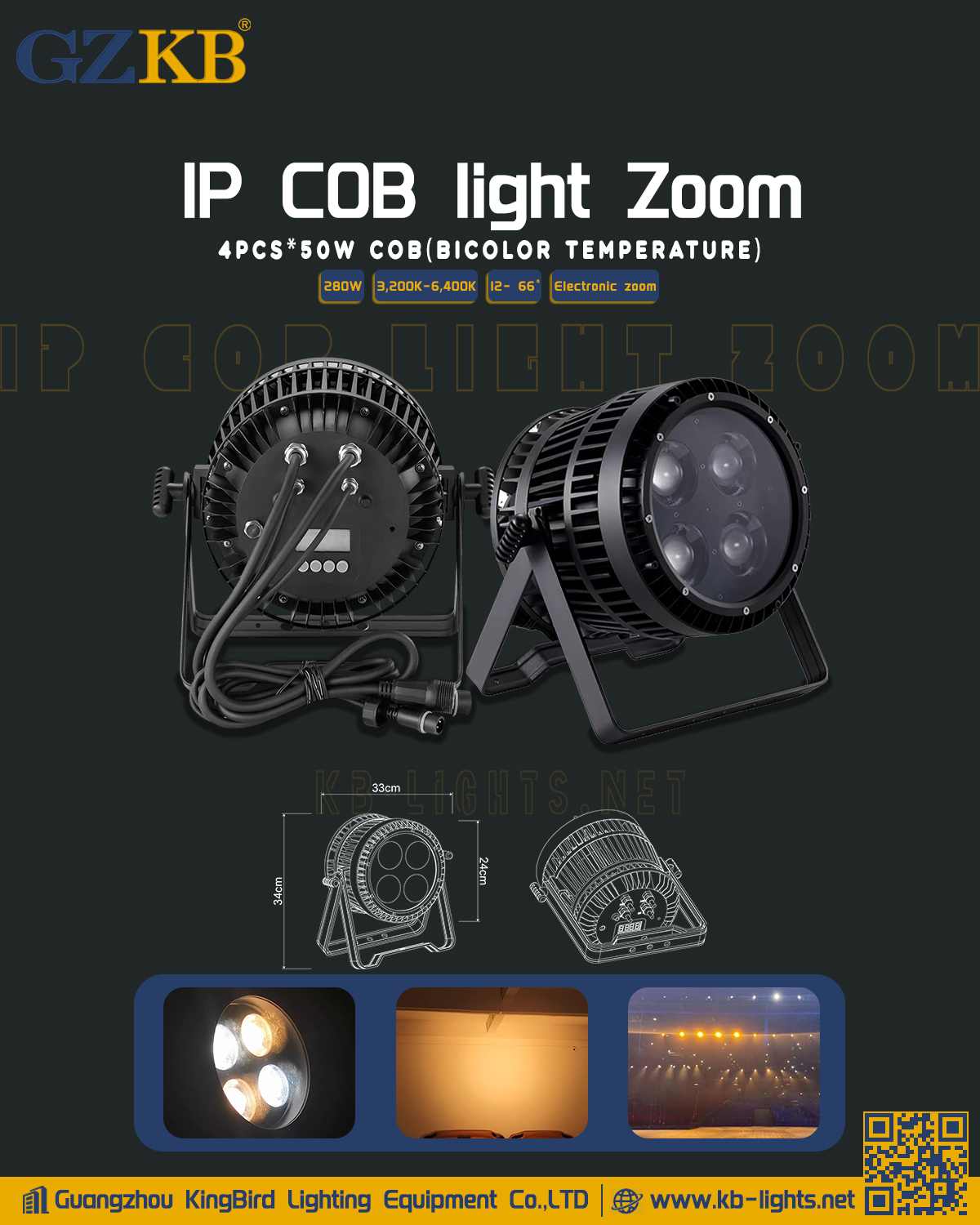 IP COB PAR ZOOM LIGHT
  Illuminate Your Stage with the Versatility of Moving Head Lights
 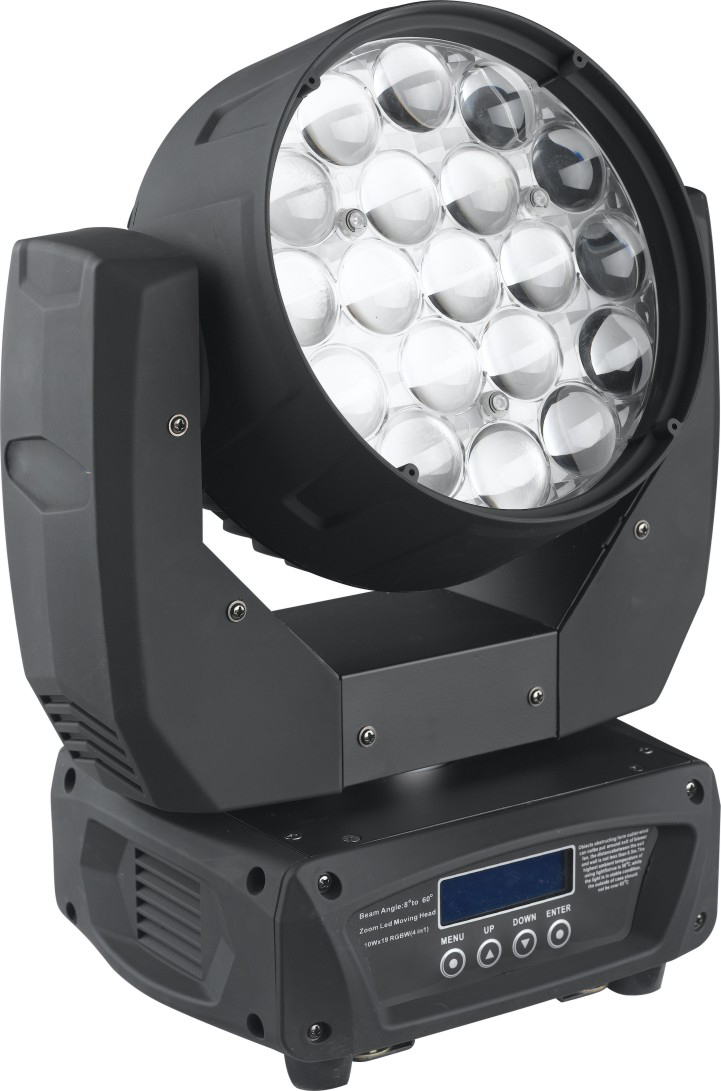 The 1915Aura Moving Head Light
  light studio