







How to Choose the Right Theatre Profile Light
How to Choose the Right Theatre Profile Light
Choosing the right theatre profile light is essential for achieving precise beam control, sharp shutter cuts, and professional stage illumination. Whether you are lighting a theatre, auditorium, church, TV studio, or multi-purpose venue, selecting the right fixture can improve visibility, color consistency, and overall production quality.
This guide explains the key factors to consider when selecting a theatre profile light for professional stage and studio applications.
1. Consider the Throw Distance
The first factor to consider is the distance between the lighting position and the stage area. Different theatre spaces require different beam angles and lens configurations.
For short-throw applications, such as small theatres, studios, and conference venues, a wider beam angle can provide sufficient coverage. For larger auditoriums and performing arts centers, a narrower beam angle is often required to project light over longer distances while maintaining brightness.
Understanding the throw distance helps you select the appropriate lens and beam angle for your installation.
2. Evaluate Beam Control Requirements
One of the main advantages of a theatre profile light is precise beam shaping. Unlike general-purpose stage lights, profile fixtures allow lighting designers to control exactly where the light falls.
A professional theatre profile light should provide features such as:
- Sharp framing shutter cuts
- Adjustable framing shutters
- Rotatable optics
- Gobo projection capability
- Uniform beam output
These features allow lighting designers to illuminate performers, scenery, and specific areas accurately while minimizing unwanted light spill.
3. Choose the Right Light Source
Modern theatres are increasingly replacing traditional halogen fixtures with LED profile lights. LED technology provides high output with lower power consumption and reduced heat generation.
Compared with traditional fixtures, LED profile lights can offer:
- Lower power consumption
- Reduced heat output
- Longer LED service life
- Lower maintenance requirements
- Smooth and precise dimming
For theatres and venues operating multiple fixtures for long hours, LED technology can help reduce energy consumption while maintaining professional lighting performance.
Explore our LED Profile Lights for professional theatre and studio applications.
4. Select the Appropriate Color System
The required color system depends on the type of production and the flexibility needed from the lighting system.
Warm White and Bi-Color Profile Lights
Warm white and bi-color fixtures are commonly used for:
- Traditional theatres
- School auditoriums
- Churches
- Conference halls
They provide natural white light and are suitable for applications where high-quality white light is the primary requirement.
RGBAL and RGBLAC Profile Lights
Advanced multi-color LED systems are suitable for:
- Professional theatres
- TV studios
- Rental companies
- Multi-purpose venues
RGBAL and RGBLAC systems provide a wider color range and greater flexibility for productions that require both high-quality white light and creative color effects.
5. Pay Attention to CRI and Color Quality
High color rendering is particularly important for theatre, television, and other applications where accurate skin tones and natural colors are required.
When evaluating a theatre profile light, consider:
- CRI above 90
- Consistent color output
- Smooth dimming curves
- Stable color temperature
High-CRI LED profile lights help performers, costumes, scenery, and set details appear more natural and accurate under stage lighting.
6. Check the Noise Level
Noise is an important consideration for theatres, especially during dramatic performances, concerts, speeches, and broadcast productions.
A low-noise cooling system helps minimize unwanted sound during performances. For theatres, museums, art galleries, and TV studios, silent or ultra-low-noise LED profile lights can be particularly useful.
7. Consider Lens Compatibility and Maintenance
Before purchasing a profile light, check the available lens options and compatibility with the accessories already used by your lighting team.
It is also useful to consider:
- Lens compatibility
- Availability of spare parts
- Technical support
- Firmware updates
- Long-term maintenance
Profile lights compatible with widely used lens systems can make it easier for theatres and rental companies to manage their existing lighting equipment.
8. How Profile Lights Are Used in Theatre Front Lighting
Theatre profile lights are widely used as front lighting fixtures because they provide precise beam control and excellent visibility for performers. Front lighting is one of the most important elements of a stage lighting system, helping audiences clearly see facial expressions, costumes, and stage action.
In many theatres, profile lights are installed on front-of-house positions, catwalks, or lighting bridges. Their framing shutters allow lighting designers to illuminate specific performance areas while reducing unwanted spill light on scenery, curtains, or projection screens.
Modern LED profile lights are particularly popular for theatre front lighting because they offer high output, smooth dimming, excellent color rendering, and lower maintenance compared with traditional tungsten fixtures. For venues seeking consistent illumination and accurate color reproduction, profile lights remain a widely used front lighting solution.
9. Common Mistakes When Choosing a Theatre Profile Light
Many venues focus only on LED power when selecting a theatre profile light. However, wattage alone does not determine overall performance. Optical quality, color rendering, beam control, and long-term reliability are also important factors.
Some common mistakes include:
- Choosing the wrong beam angle for the throw distance
- Ignoring CRI and color quality specifications
- Overlooking fixture noise levels in quiet environments
- Purchasing fixtures without considering lens compatibility
- Focusing only on purchase price instead of long-term operating costs
For example, a profile light with high brightness but poor color rendering may fail to reproduce natural skin tones on stage. Similarly, excessive fan noise can become noticeable during theatrical performances, speeches, and broadcast productions.
Before purchasing, it is advisable to evaluate optical performance, dimming quality, color consistency, maintenance requirements, and compatibility with existing accessories. A well-selected profile light can provide reliable service while delivering professional lighting results.
Common Applications for Theatre Profile Lights
Theatre profile lights are widely used in:
- Theatres and performing arts centers
- School auditoriums
- Churches
- TV and broadcast studios
- Museums and art galleries
- Conference and multi-purpose venues
- Rental and production companies
With precise beam shaping, framing control, and professional optical performance, profile lights are an important part of a modern stage lighting system.
Conclusion
Choosing the right theatre profile light requires more than simply comparing LED power. Throw distance, beam angle, shutter control, color system, CRI, noise level, lens compatibility, and maintenance should all be considered before making a decision.
For professional theatre and studio applications, LED profile lights provide a versatile solution for front lighting, key lighting, gobo projection, and precise stage illumination.
Kingbird Lighting offers LED Profile Lights for theatre, studio, rental, and entertainment applications, with options including high-CRI white light, bi-color, RGBAL, and other multi-color LED systems. OEM and ODM solutions are also available for professional lighting projects.
FAQ
What is a theatre profile light used for?
A theatre profile light is used for precise stage illumination, beam shaping, gobo projection, and highlighting performers or scenery. It is commonly used in theatres, auditoriums, TV studios, churches, and performing arts centers.
How do I choose the right beam angle for a profile light?
The beam angle depends on the throw distance. Narrow beam angles are suitable for long-distance projection, while wider beam angles are better for smaller venues and short-throw applications.
Are LED profile lights better than traditional halogen fixtures?
LED profile lights typically offer lower power consumption, less heat generation, longer lifespan, and reduced maintenance requirements while providing professional lighting performance.
What CRI is recommended for theatre lighting?
A CRI of 90 or higher is generally recommended for theatre and studio lighting to support accurate color reproduction and natural-looking skin tones.
Are ETC-compatible profile lights available?
Yes. Many modern LED profile lights are designed to be compatible with ETC-style lens tubes, allowing users to utilize existing optical accessories while upgrading to LED technology.
 Why LED Panel Lights Are Replacing Traditional Soft Lights in Modern Theatres and Studios
 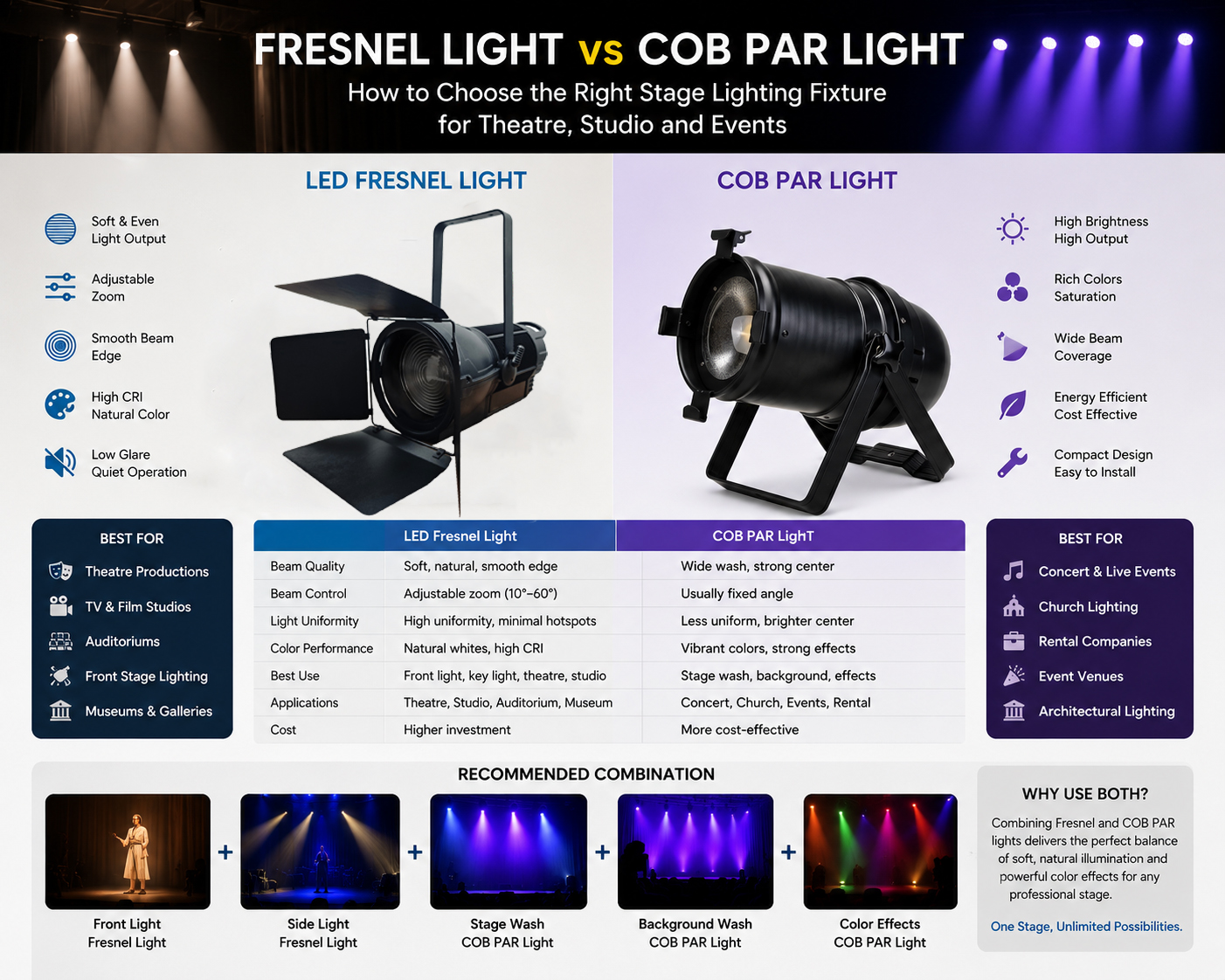 Fresnel vs COB PAR Light: How to Choose the Right Stage Lighting Fixture for Theatre, Studio and Events
 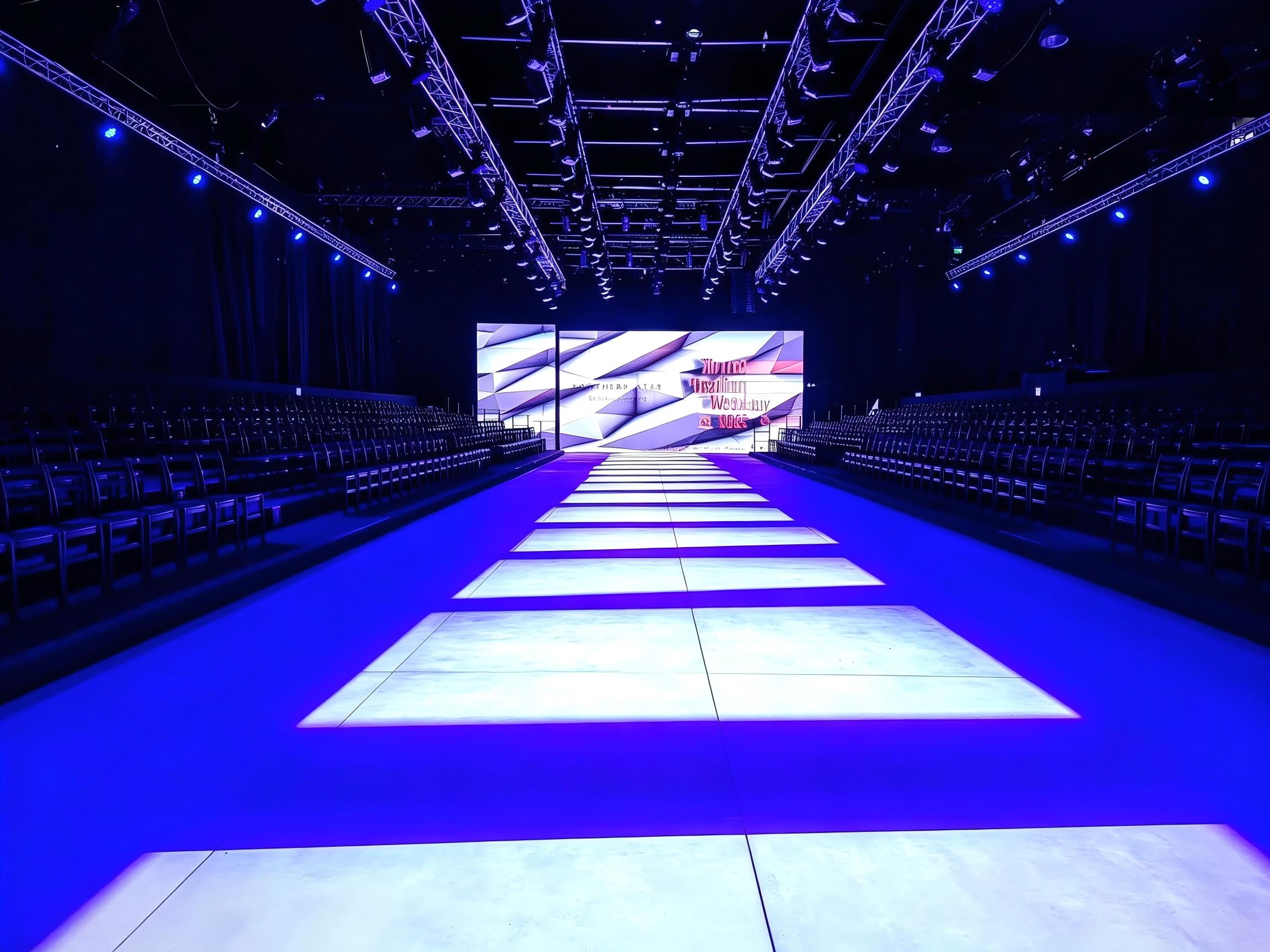 Leko Profile Lights: The Runway Standard for Fashion Shows
 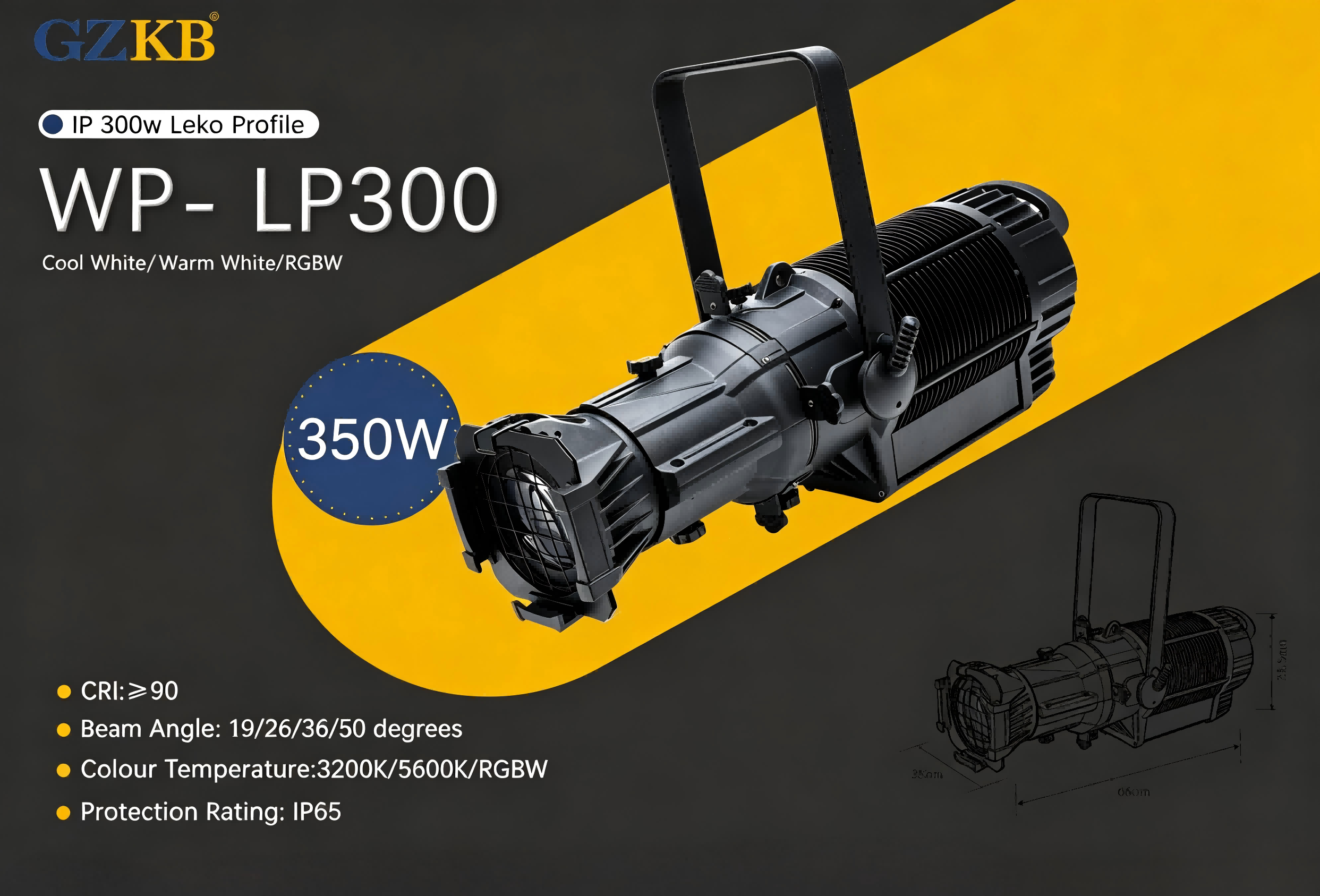 The Profile & Fresnel Series: Upgraded Theatre Lights from Kb Lighting
 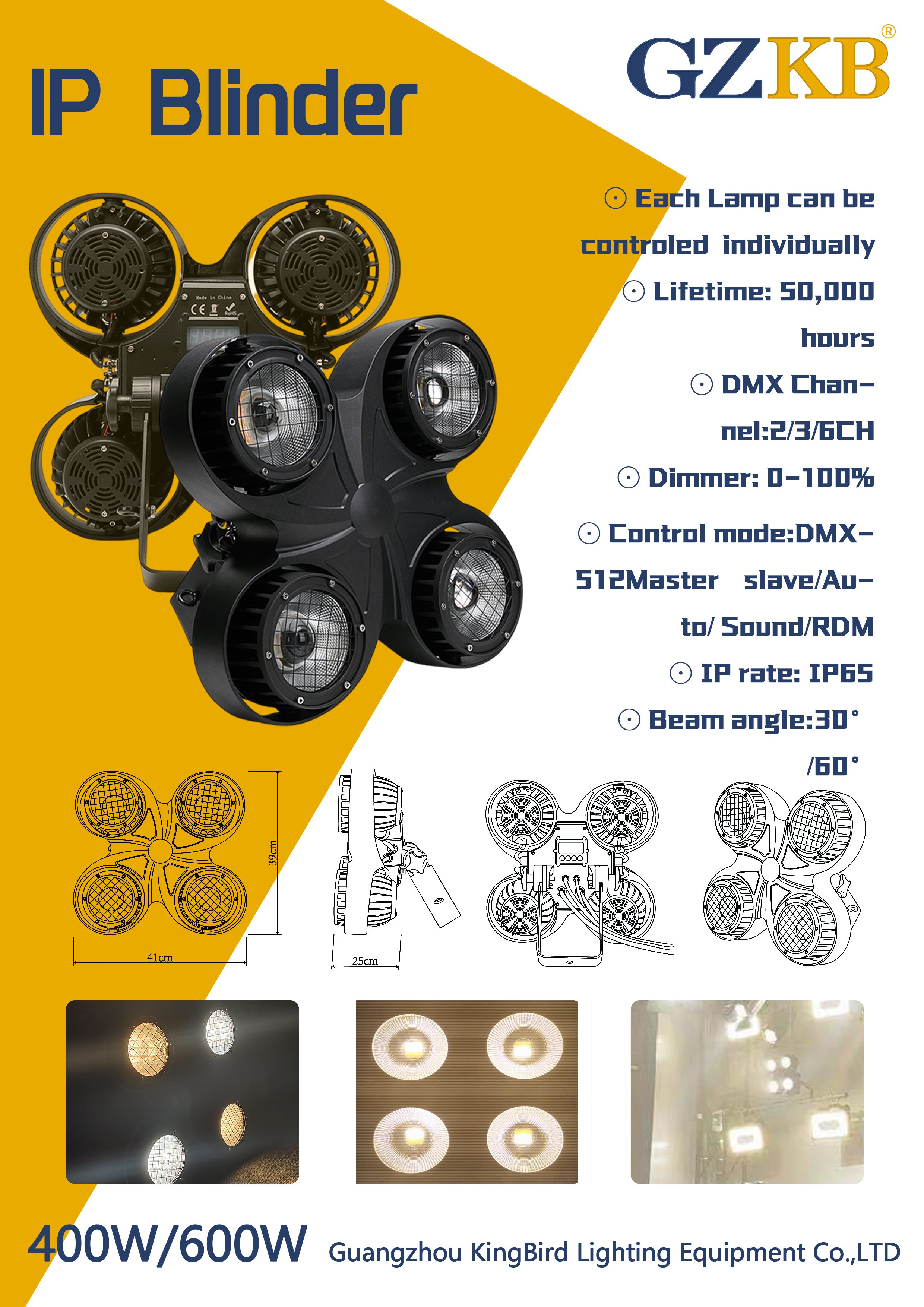 4 Common LED Blinder Problems (And How KB Lights Solved Them)
  Picking the Perfect LED Moving Head Light
  IP Beam 380
  Blinder RGBAW-Super bright waterproof light
  Stage Lighting with IP COB Line Bar Pixel Light
  The Versatility of Outdoor LED Wash Lights
  RGB Strobe Lights: The Ultimate in Speed and Intensity
  The R Spider: Redefining Blinder Lights for the Modern Stage
  IP Moving Head Lights
 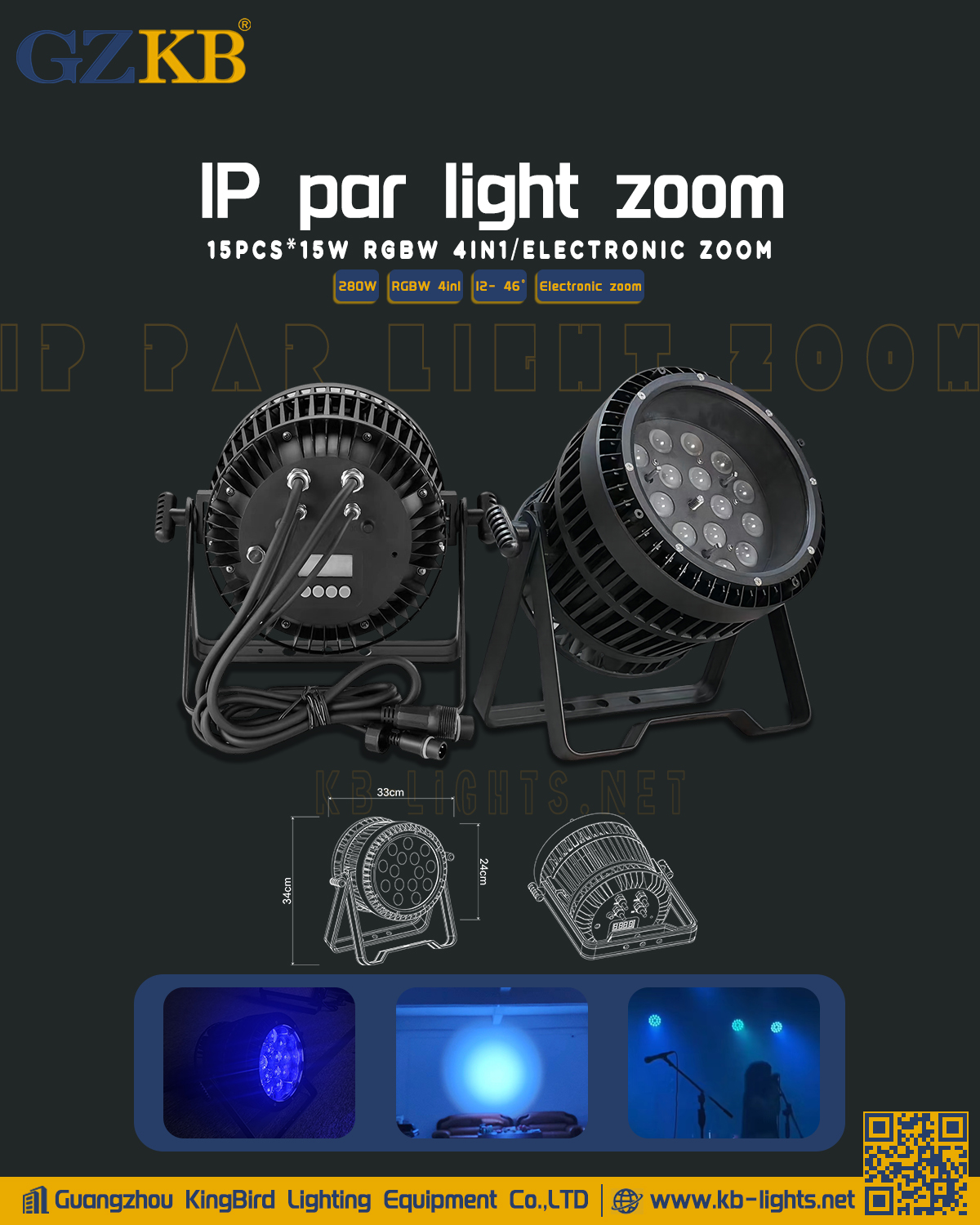 The Power of Illumination: The Zoom PAR Light by KB Lighting
 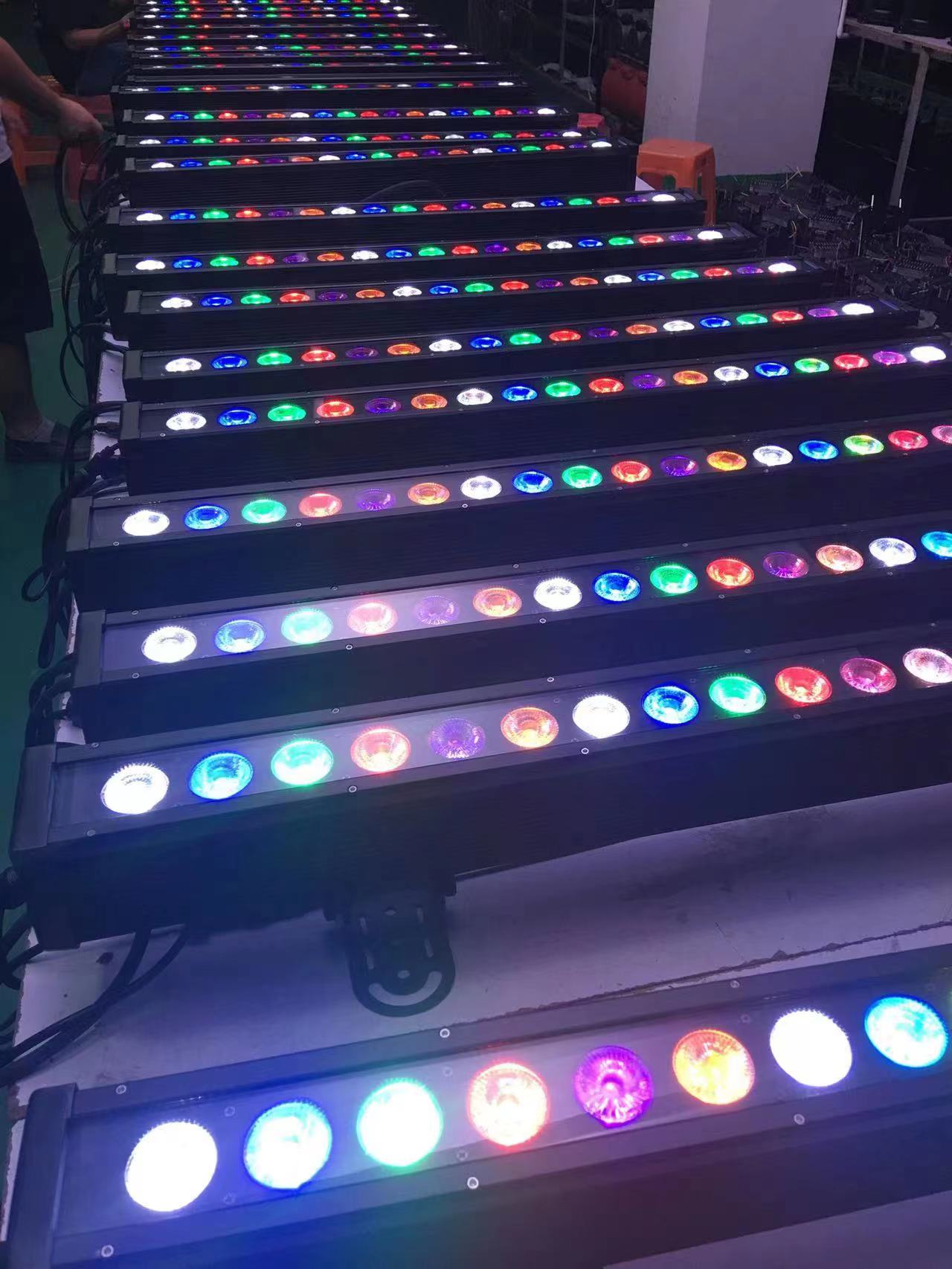 Crafting Ambiance and Energizing Spaces with LED Bar Lights
 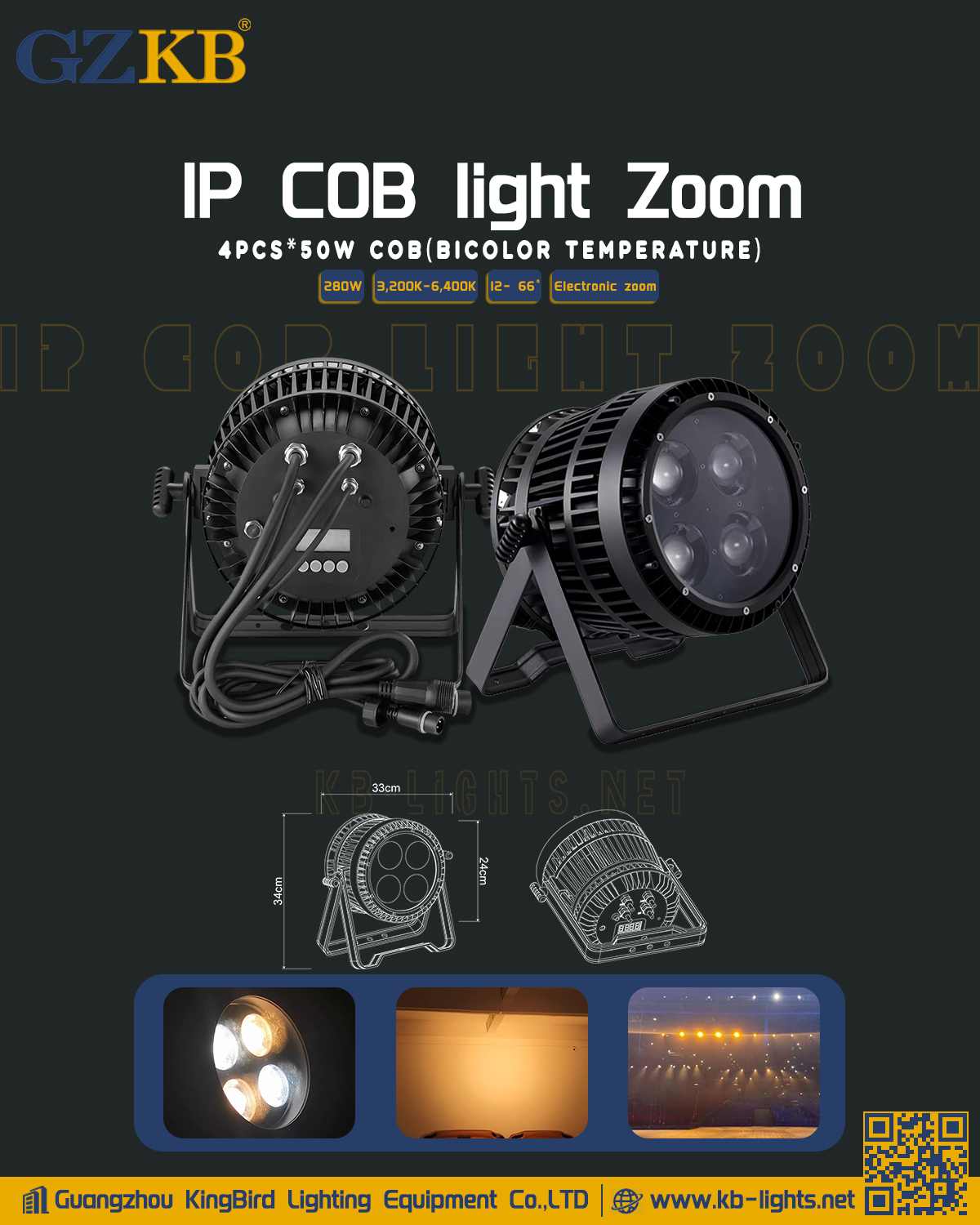 IP COB PAR ZOOM LIGHT
  Illuminate Your Stage with the Versatility of Moving Head Lights
 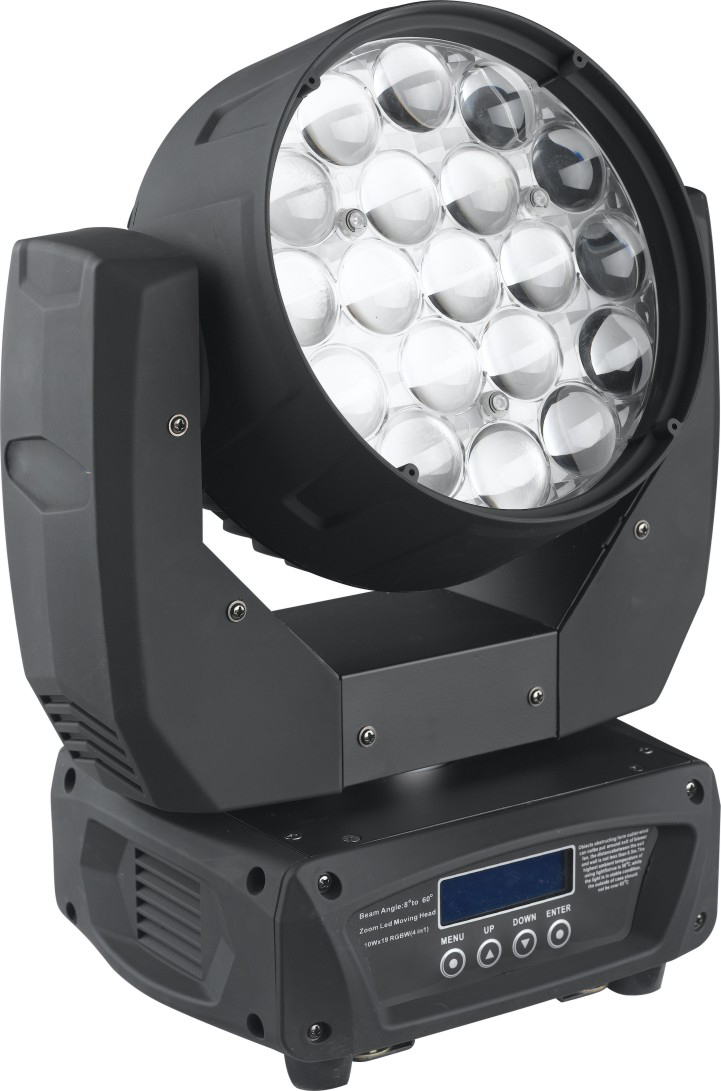 The 1915Aura Moving Head Light
 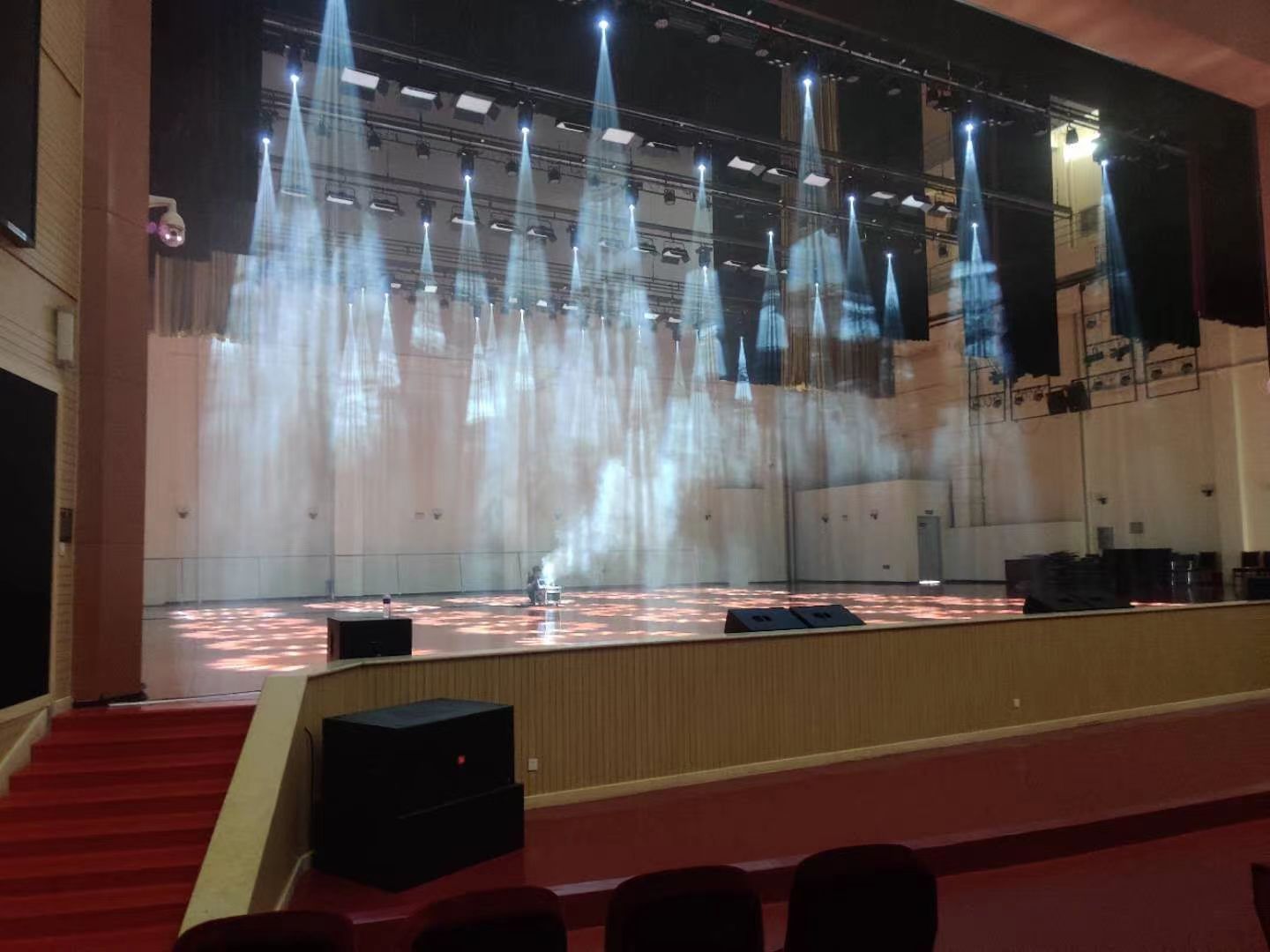 light studio
 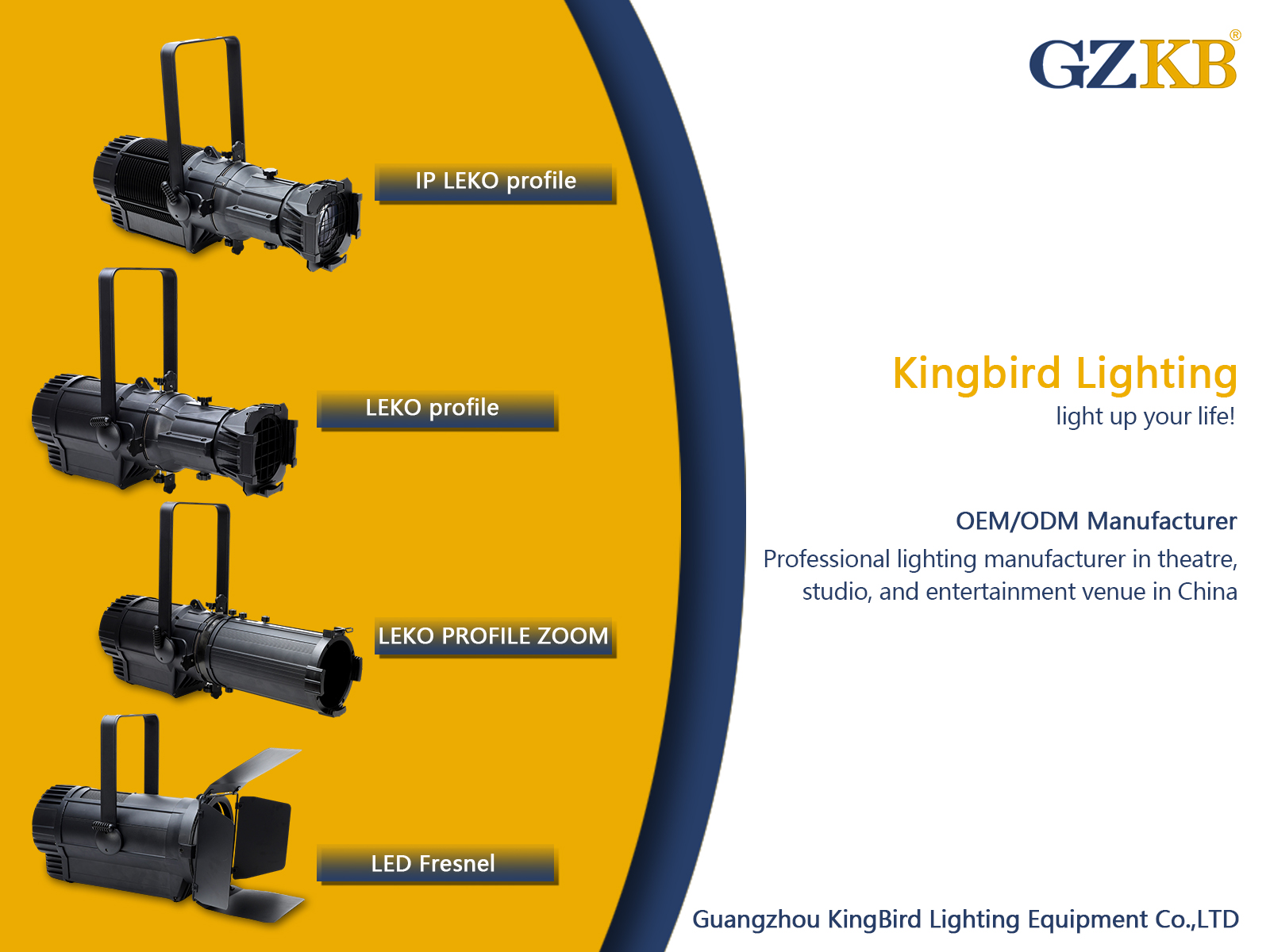 IP Leko Light