







How to Plan Stage Lighting Coverage for Theatre
How to Plan Stage Lighting Coverage for Theatre
Good stage lighting is not simply about making the stage bright. It is about delivering the right amount of light to the right areas, creating balanced illumination and ensuring that performers, scenery and important stage details remain visible from the audience's perspective.
For theatres, studios and live performance venues, effective stage lighting coverage requires careful planning. The size of the performance area, fixture position, beam angle, installation distance and type of lighting fixture all influence the final result.
Different fixtures also serve different purposes. LED Fresnel lights provide soft and adjustable coverage, LED Profile lights offer precise beam control, and LED Panel lights can provide broad, soft illumination for suitable stage and studio applications.
This guide explains how to plan stage lighting coverage, calculate beam spread, divide a stage into lighting zones and select suitable fixtures for different applications.
1. What Is Stage Lighting Coverage?
Stage lighting coverage refers to how effectively lighting fixtures illuminate the required performance areas. A well-planned system should provide sufficient brightness across the stage while avoiding unwanted dark spots, excessive overlap and uneven transitions between lighting areas.
A professional lighting design usually considers several factors:
- Coverage area: The width and depth of the stage that needs to be illuminated.
- Illumination level: The amount of light required for performers, scenery and different types of productions.
- Beam distribution: How light spreads across the target area.
- Uniformity: Whether brightness remains reasonably consistent across the illuminated area.
- Lighting flexibility: Whether different stage areas can be controlled independently.
The goal is not necessarily to illuminate every part of the stage with the same brightness. Instead, the lighting system should support the production's visual requirements while maintaining clear visibility where it matters.
2. Understand Beam Angles and Lighting Distance
Beam angle is one of the most important factors when planning stage lighting coverage. It determines how widely light spreads from a fixture and helps lighting designers estimate the area that can be illuminated from a particular position.
A narrow beam angle produces a smaller illuminated area, making it useful for highlighting specific performers or stage elements. A wider beam angle covers a larger area and is often more suitable for general illumination.
How to Calculate Beam Coverage
For a fixture with a symmetrical beam, the approximate beam diameter on a flat surface can be estimated using the following formula:
D = 2 × L × tan(θ / 2)
D = Beam diameter | L = Lighting distance | θ = Beam angle
For example, if a fixture is installed 8 metres from the target surface and has a 30-degree beam angle:
D = 2 × 8 × tan(15°) ≈ 4.29 metres
This means the approximate beam diameter is 4.29 metres at that distance. The actual illuminated area will depend on the fixture's optical design, beam definition, focusing and the surface being illuminated.
This calculation is useful for initial planning, but it should not replace real fixture testing or photometric data. Manufacturers may specify beam angle and field angle separately, so check which measurement is being used when comparing products.
Choosing the Right Beam Angle
The appropriate beam angle depends on the installation distance and the size of the target area. A narrow beam may be suitable for a distant performer, while a wider beam may be more practical for illuminating a larger stage section.
When selecting a fixture, consider the following:
- Measure the distance between the lighting position and the target area.
- Estimate the required coverage width and height.
- Compare the fixture's available beam angles and lens options.
- Check whether the beam can be adjusted or focused for different applications.
- Test the actual coverage on site before finalizing the lighting layout.
3. Divide the Stage into Lighting Zones
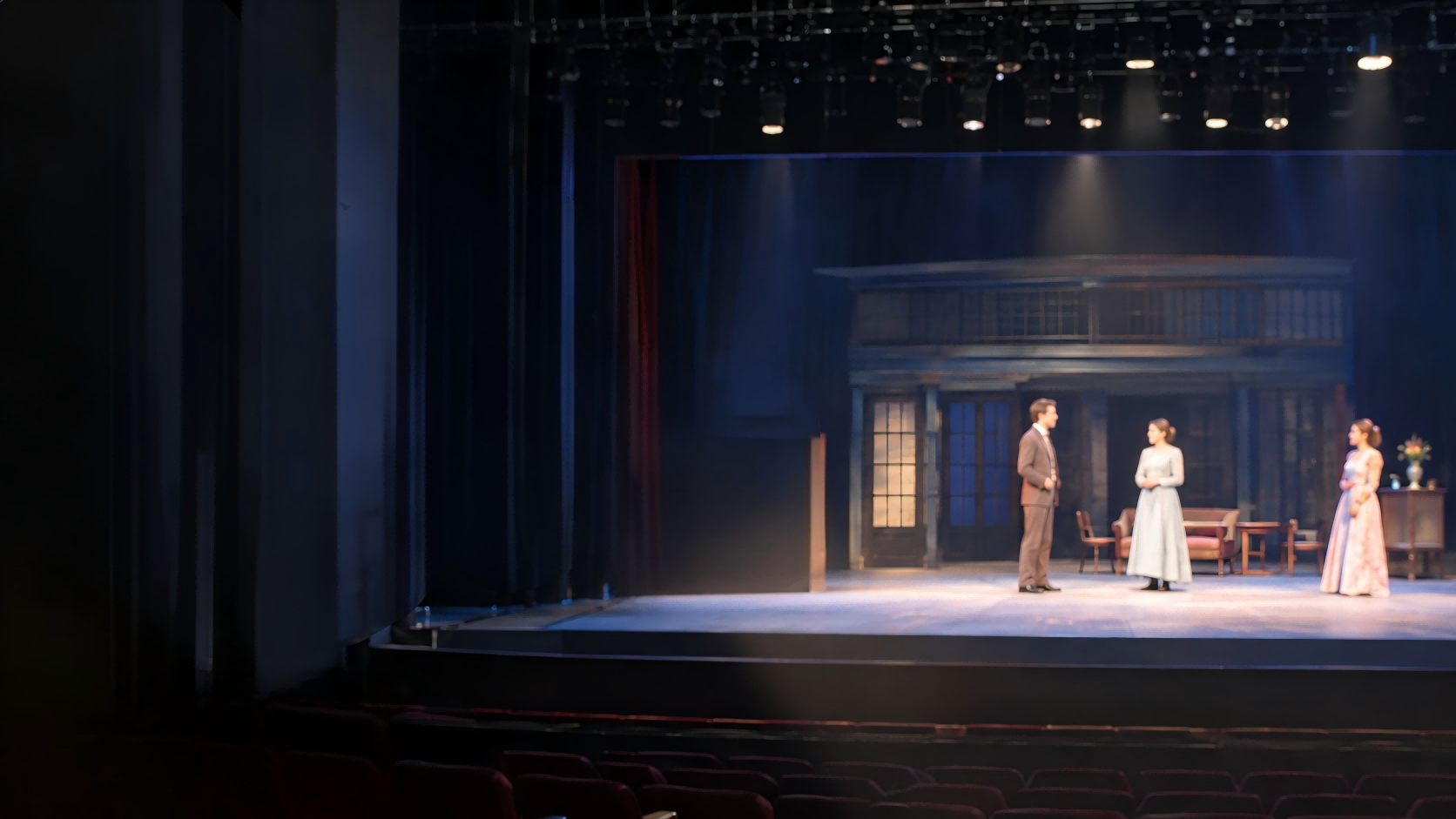
Dividing the stage into lighting zones makes it easier to plan coverage and control different parts of a performance area. Rather than treating the entire stage as one large space, designers can create smaller areas and assign fixtures according to each zone's requirements.
For example, a theatre stage can be divided into stage left, center and stage right. Each section can then be further divided into front and rear areas, depending on the stage depth and production requirements.
When planning each zone, pay attention to four key elements:
- Coverage: Make sure the entire intended area receives sufficient illumination.
- Beam overlap: Adjacent beams should blend smoothly to avoid obvious dark gaps or bright patches.
- Brightness balance: Keep illumination reasonably consistent between neighboring zones unless the production requires a deliberate contrast.
- Independent control: Separate control of different zones gives lighting operators greater flexibility during performances.
After the initial focus, test the system with performers or people standing in different positions. Check the transitions between zones and look for areas where illumination becomes noticeably uneven.
4. Choose the Right Fixtures for Different Coverage Requirements
Different stage lighting fixtures produce different beam characteristics. Selecting the right fixture depends on the required coverage, edge definition, output, mounting position and performance environment.
LED Fresnel Lights: For Soft and Adjustable Coverage
LED Fresnel lights are widely used in theatre lighting because they produce soft-edged beams that can be adjusted for different coverage requirements. They are suitable for general stage illumination, performer lighting and creating smooth washes across performance areas.
Many LED Fresnel fixtures offer adjustable beam angles, making them useful for different stage sizes and lighting distances. Their soft beam edges also make it easier to blend adjacent lighting zones.
When selecting an LED Fresnel, consider its output, beam angle, color mixing capability, color rendering performance and cooling design.
For applications requiring flexible color mixing, explore Kingbird Lighting's 400W RGBLAC LED Fresnel Light.
LED Profile Lights: For Precise and Controlled Coverage
LED Profile lights, also known as ellipsoidal lights, are designed for applications that require precise beam control. They can produce clearly defined beams and allow operators to shape the light using framing shutters.
Profile lights are particularly useful when a specific performer, stage area or scenic element needs to be illuminated without spilling light onto surrounding areas.
Depending on the fixture and lens configuration, they can support different beam angles and projection applications. They are especially useful for focused coverage, defined stage areas and controlled lighting effects.
Explore Kingbird LED Ellipsoidal Lights for professional stage applications.
LED Panel Lights: For Broad and Soft Illumination
LED Panel lights are another option for applications where broad and soft illumination is preferred. Compared with Profile fixtures, which are designed for precise beam shaping, LED Panel lights generally provide wider-area illumination.
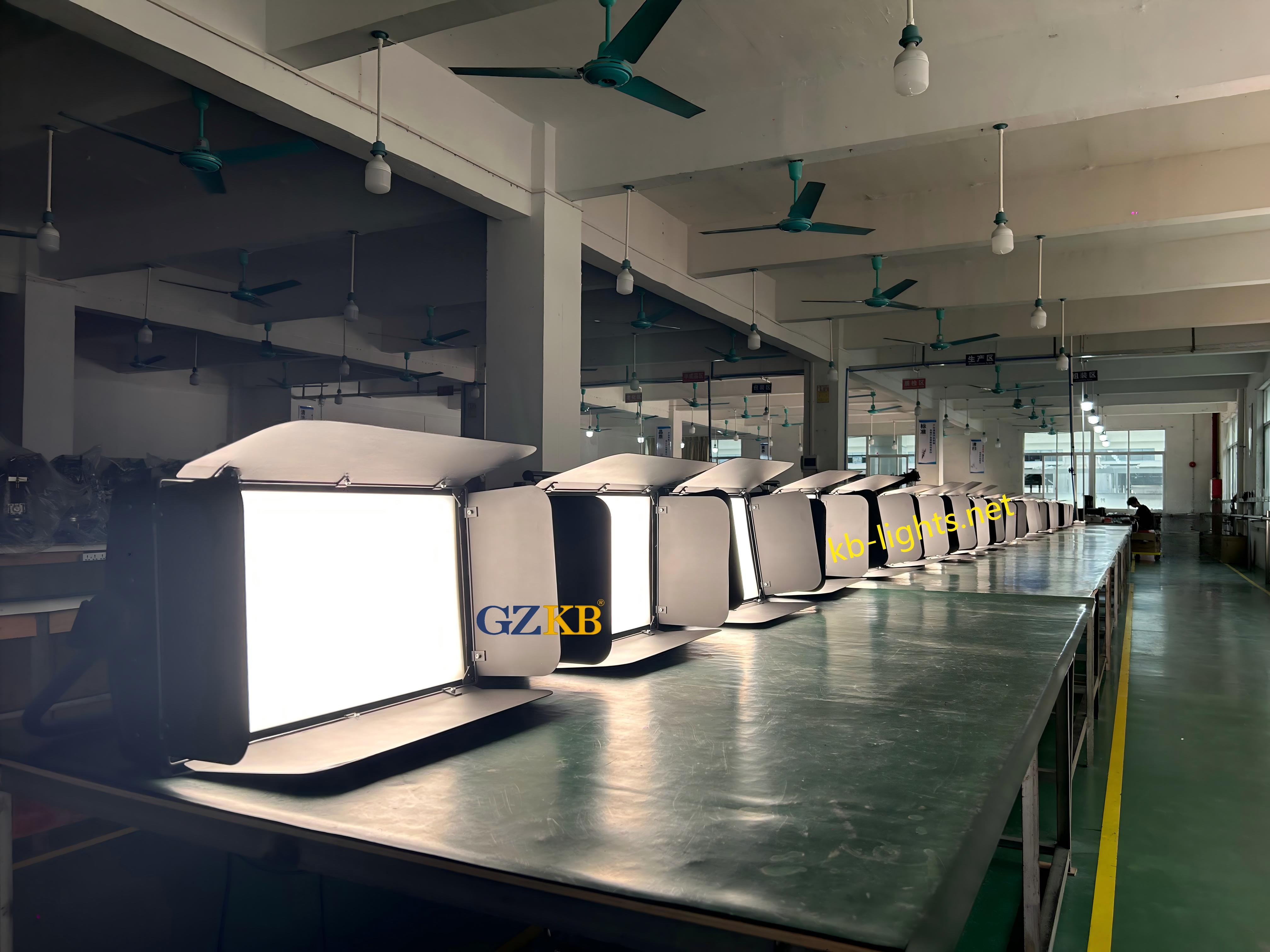
In theatre and performance environments, panel lights can be considered for soft front fill, supplementary illumination and applications where a broad light source is useful. They are also commonly considered for studios, broadcast spaces and other production environments that require soft and even lighting.
When using LED Panel lights, consider their output, mounting distance, beam distribution and the size of the area being illuminated. Their suitability for a particular theatre installation should be evaluated according to the actual stage layout and lighting requirements.
Kingbird Lighting offers LED Panel light options in different power ratings and color configurations. Explore Kingbird LED Panel Lights for more product information.
How to Combine Different Fixtures
Fresnel, Profile and Panel lights are not direct replacements for one another. They have different optical characteristics and can complement each other in a well-planned lighting system.
- LED Fresnel: Use for soft-edged beams, adjustable coverage and smooth transitions between lighting zones.
- LED Profile: Use for precise beam control, defined edges, framing shutters and focused illumination on specific stage areas.
- LED Panel: Use for broad, soft illumination, front fill and suitable studio or production applications.
For example, Fresnel lights may provide general coverage across the performance area, Profile lights can highlight specific performers or stage elements, and Panel lights can supplement the overall illumination where a broader and softer source is required.
The best combination depends on the venue, installation positions, stage layout and the visual requirements of each production.
5. Consider Light Quality and Color Rendering
Coverage is not only about the size of the illuminated area. The quality of light also matters. A fixture may cover a large area, but if its color rendering or brightness distribution is unsuitable, the result may not meet the requirements of a professional production.
CRI: Color Rendering Index
CRI indicates how accurately a light source renders colors compared with a reference light source. Good color rendering helps maintain natural-looking skin tones and allows costumes and scenery to appear closer to their intended colors.
TLCI: Television Lighting Consistency Index
TLCI is particularly relevant when performances are recorded or broadcast. It evaluates how a light source's colors are reproduced by television cameras. If a theatre also produces video content or live streams performances, checking TLCI alongside CRI can be useful when comparing fixtures.
Color Temperature
Color temperature affects the overall appearance of stage illumination. Warm white light can create a more traditional or intimate atmosphere, while cooler white light may suit certain contemporary productions and studio applications.
For venues hosting different types of performances, fixtures with adjustable color temperature can provide greater flexibility. Consistency between fixtures is also important when several lights illuminate the same stage area.
6. Common Stage Lighting Coverage Problems
Even with suitable fixtures, poor positioning or focusing can reduce the quality of a lighting system. The following issues should be checked during installation and testing.
- Uneven brightness: Different stage zones may appear noticeably brighter or darker. Adjust fixture output, position and beam overlap to improve consistency.
- Dark gaps between beams: Adjacent fixtures may not cover the entire target area. Review their aiming positions and coverage overlap.
- Excessive light spill: Uncontrolled beams may illuminate curtains, scenery or areas outside the intended target. Use suitable beam control and careful focusing.
- Harsh facial shadows: A single lighting direction or an unsuitable mounting angle can create distracting shadows. Consider balancing illumination from multiple directions.
- Insufficient output: A fixture that works well at a short distance may not provide enough illumination from a higher lighting position. Evaluate output at the actual installation distance.
- Inconsistent color: Fixtures with different color characteristics may produce visible differences across the stage. Check color temperature and color rendering consistency.
A practical focus test should include performers standing, walking and moving between zones. Check the stage from different audience seating positions rather than judging the result only from the control booth.
7. Stage Lighting Coverage Planning Checklist
Before purchasing or installing a stage lighting system, use this checklist to review the main requirements:
- Measure the stage width, depth and height of available lighting positions.
- Identify the performance areas that need to be illuminated.
- Divide the stage into suitable lighting zones.
- Calculate approximate beam coverage based on fixture distance and beam angle.
- Choose suitable fixtures according to beam characteristics and application.
- Check output, beam distribution and optical performance.
- Compare CRI, TLCI and color temperature requirements.
- Confirm dimming, control protocols and compatibility with the existing lighting system.
- Review fixture dimensions, weight, cooling and maintenance requirements.
- Test beam overlap, brightness consistency and unwanted shadows before finalizing the focus.
For permanent installations, the mounting structure, electrical connections and rigging arrangements should also be reviewed by qualified professionals in accordance with the venue's requirements.
8. Choose a Reliable Stage Lighting Manufacturer
The quality of a stage lighting system depends not only on the lighting design but also on the reliability and performance of the fixtures.
When evaluating a stage lighting manufacturer, buyers and project contractors should consider several factors:
- Product range: A manufacturer offering Fresnel, Profile, Panel and other professional lighting fixtures can help buyers select products for different applications.
- Optical performance: Check beam quality, lens options, light distribution and color consistency.
- Quality control: Ask about production inspection, aging tests and quality assurance procedures.
- OEM/ODM capability: For distributors and project suppliers, customization options may be important for branding and product requirements.
- Technical support: Clear product specifications and responsive communication make project selection and installation easier.
Kingbird Lighting is a professional theatre and stage lighting manufacturer based in Guangzhou, China, with over 12 years of OEM/ODM experience. Our product range includes LED Fresnel lights, LED Profile lights, LED Panel lights and other professional entertainment lighting fixtures.
We focus on theatre and front lighting applications, providing lighting products for distributors, rental companies, studios and project contractors.
Whether you are planning a new theatre installation or upgrading an existing lighting system, selecting fixtures according to the actual application is essential for achieving reliable and consistent results.
Conclusion
Effective stage lighting coverage requires a balance of fixture selection, beam angles, lighting positions and light quality. A well-planned system helps illuminate the performance area consistently while giving lighting designers the flexibility to support different productions.
LED Fresnel lights are useful for soft and adjustable coverage, LED Profile lights provide precise beam control, and LED Panel lights can provide broad and soft illumination for suitable front-fill and studio applications.
By dividing the stage into lighting zones, estimating beam coverage and selecting fixtures according to their intended applications, theatre operators and project contractors can build a lighting system that is practical, flexible and suitable for long-term use.
Frequently Asked Questions
1. What is stage lighting coverage?
Stage lighting coverage describes how effectively lighting fixtures illuminate the required performance areas. It includes coverage size, brightness distribution, beam overlap and overall illumination consistency.
2. How do you calculate stage lighting coverage?
For a symmetrical beam, approximate beam diameter can be calculated using D = 2 × L × tan(θ / 2), where L is the distance to the target surface and θ is the beam angle. Actual coverage depends on the fixture's optical characteristics.
3. What is the difference between beam angle and field angle?
Beam angle generally describes the central portion of a light beam, while field angle describes a wider area that includes the softer edges. Manufacturers may use different measurement standards, so check the product specifications when comparing fixtures.
4. Which lights are suitable for stage lighting coverage?
LED Fresnel, LED Profile and LED Panel lights can all contribute to a stage lighting system. Fresnel fixtures provide soft coverage, Profile fixtures offer precise beam control, and Panel fixtures can provide broad and soft illumination for suitable applications.
5. Can different types of stage lights be used together?
Yes. Different fixtures can complement one another. For example, Fresnel lights can provide general coverage, Profile lights can highlight specific performers, and Panel lights can supplement the illumination with a broader, softer source.
6. How can I avoid dark spots on a stage?
Divide the stage into lighting zones, plan suitable beam overlap and test the fixture positions. Adjusting the aiming direction and output of adjacent fixtures can help reduce dark gaps and uneven illumination.
Looking for Professional Stage Lighting for Your Project?
Kingbird Lighting offers LED Profile Lights, LED Fresnel Lights, LED Panel Lights and a wide range of professional stage lighting fixtures. We also provide OEM/ODM services to meet different project requirements. Contact us to discuss your lighting needs.
Contact Kingbird Lighting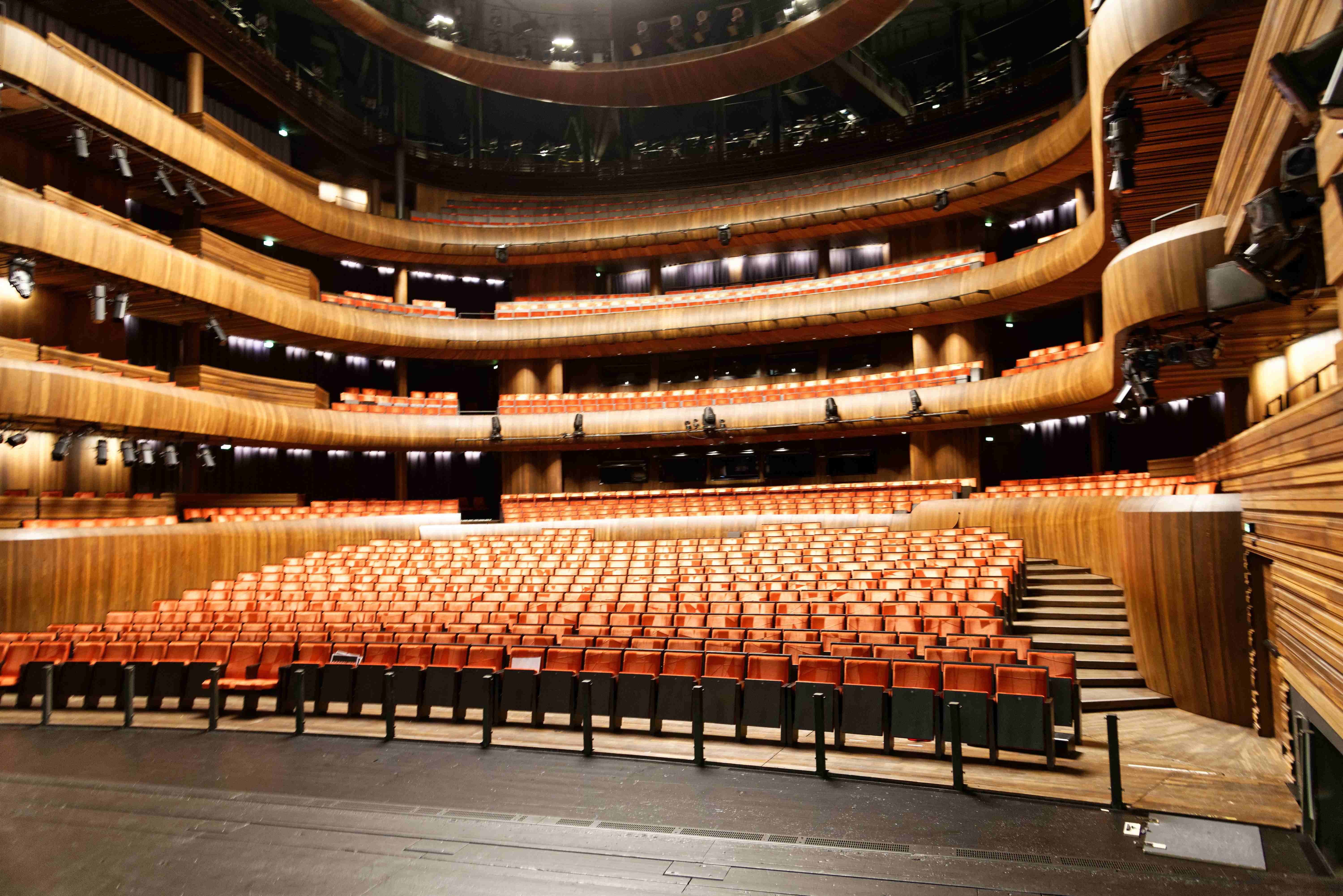 LED vs Halogen Theatre Lighting: Which Is Better?
 How to Choose Front Lights for Theatre
 How to Choose LED Panel Lights for Theatre and Studio
 How to Choose the Right Theatre Fresnel Light
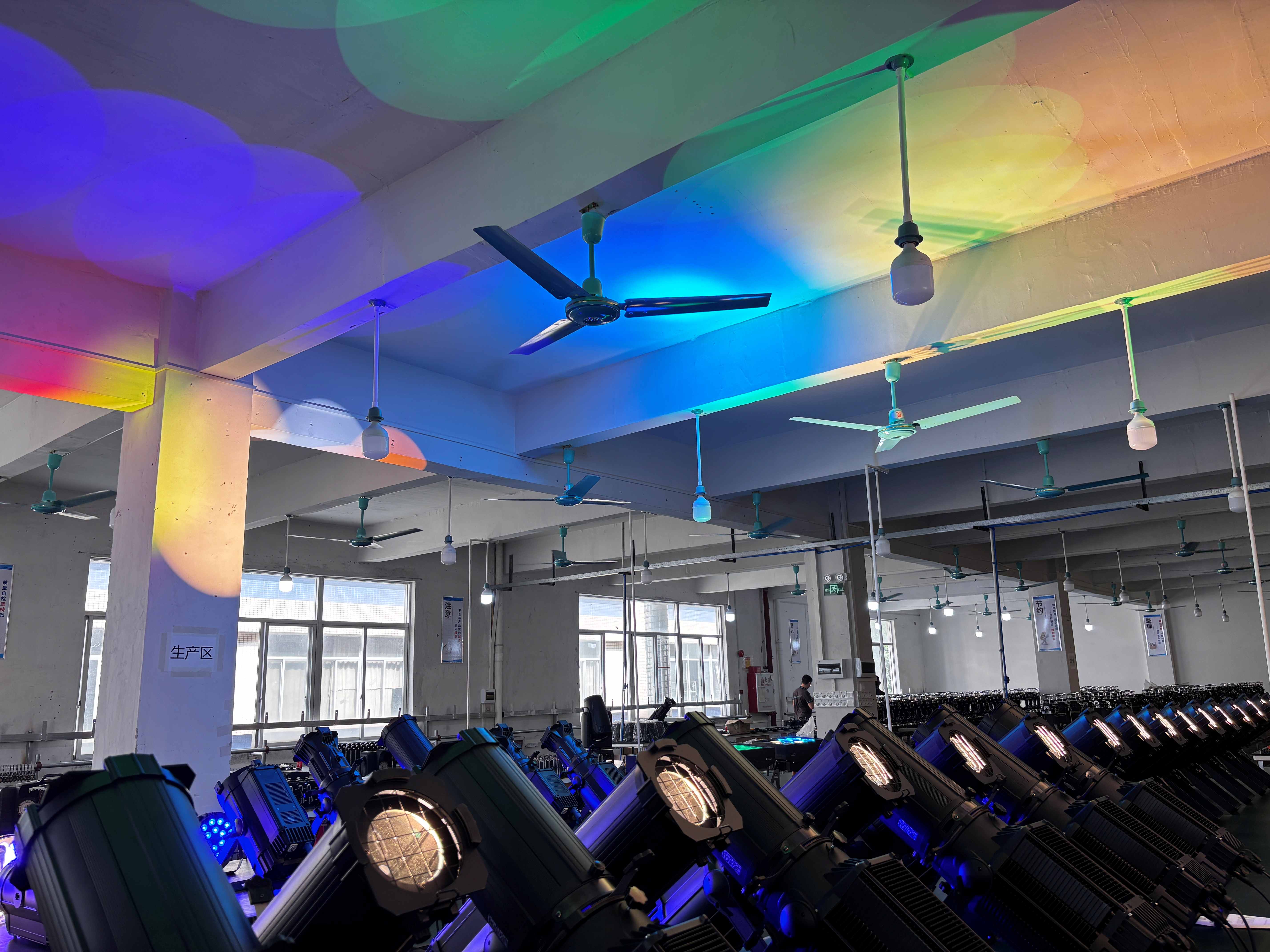 How to Choose the Right Theatre Profile Light
 Why LED Panel Lights Are Replacing Traditional Soft Lights in Modern Theatres and Studios
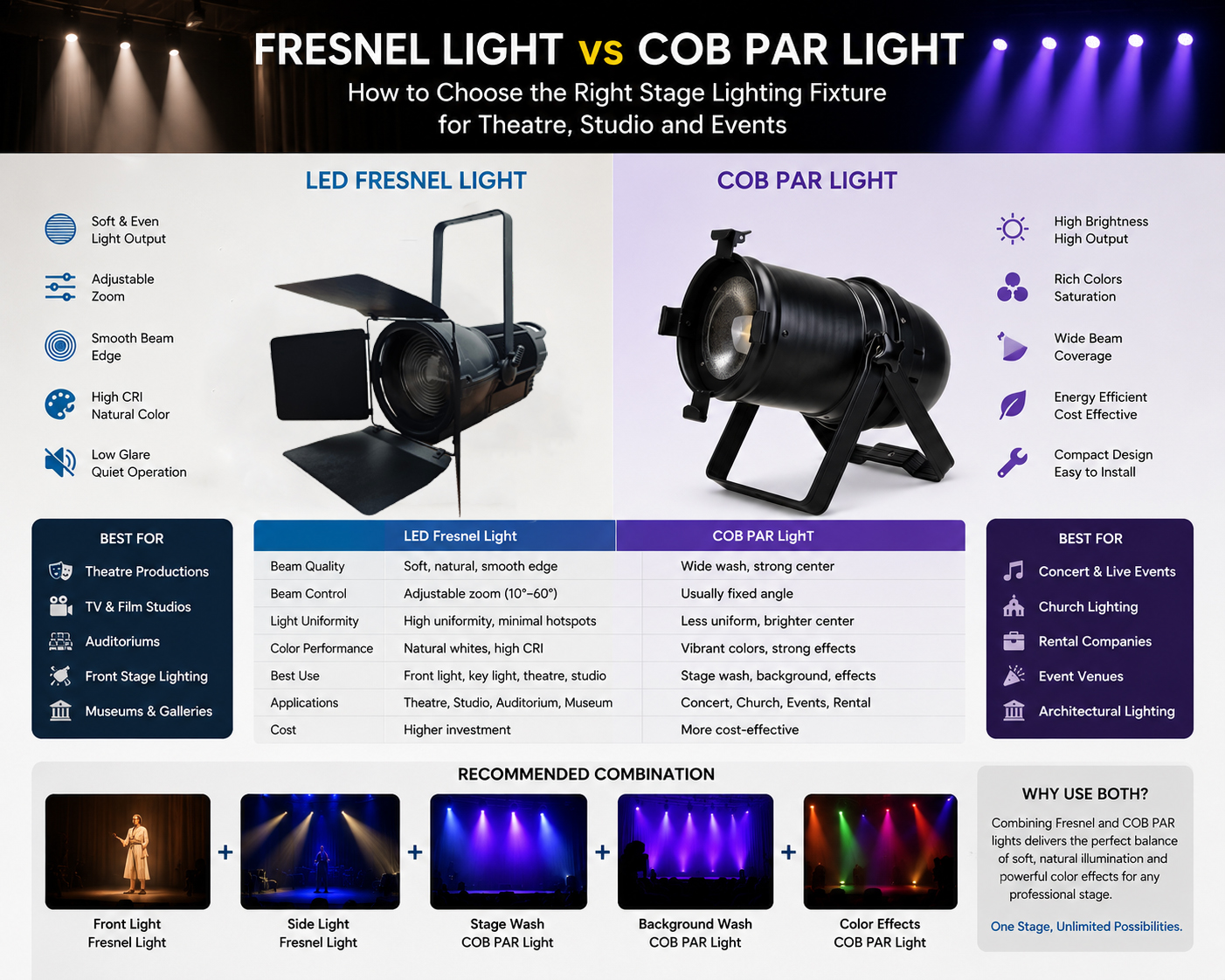 Fresnel vs COB PAR Light: How to Choose the Right Stage Lighting Fixture for Theatre, Studio and Events
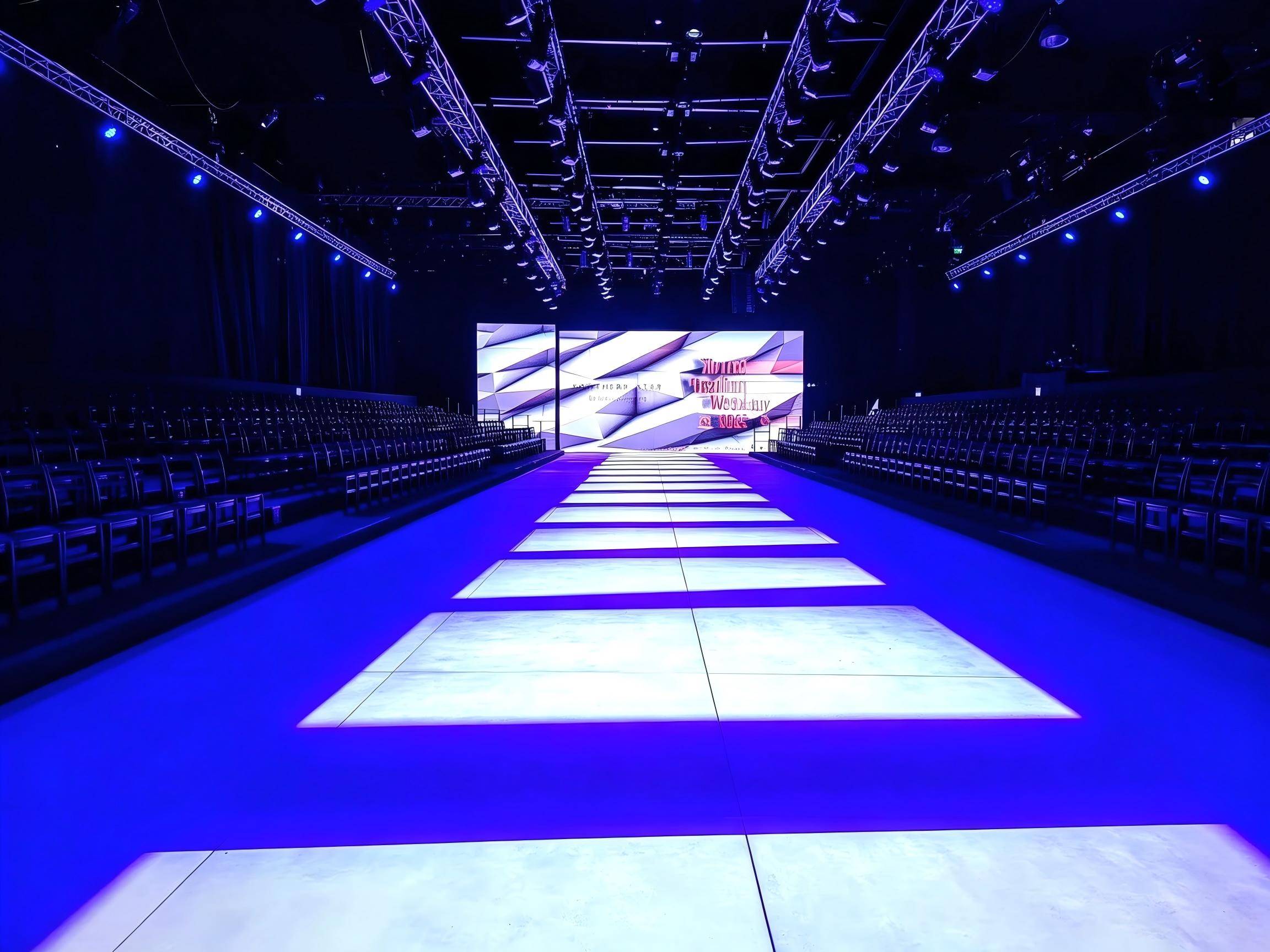 Leko Profile Lights: The Runway Standard for Fashion Shows
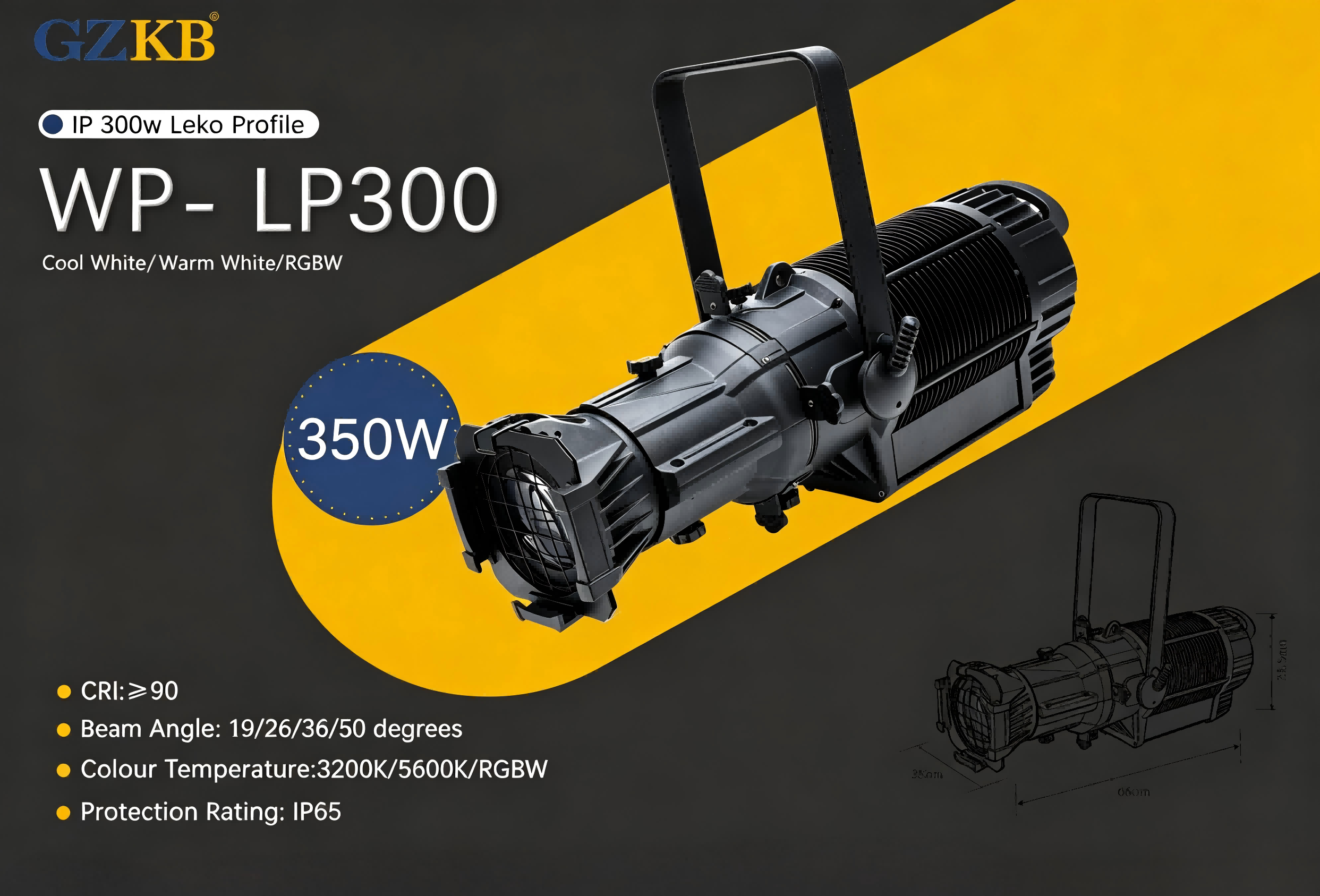 The Profile & Fresnel Series: Upgraded Theatre Lights from Kb Lighting
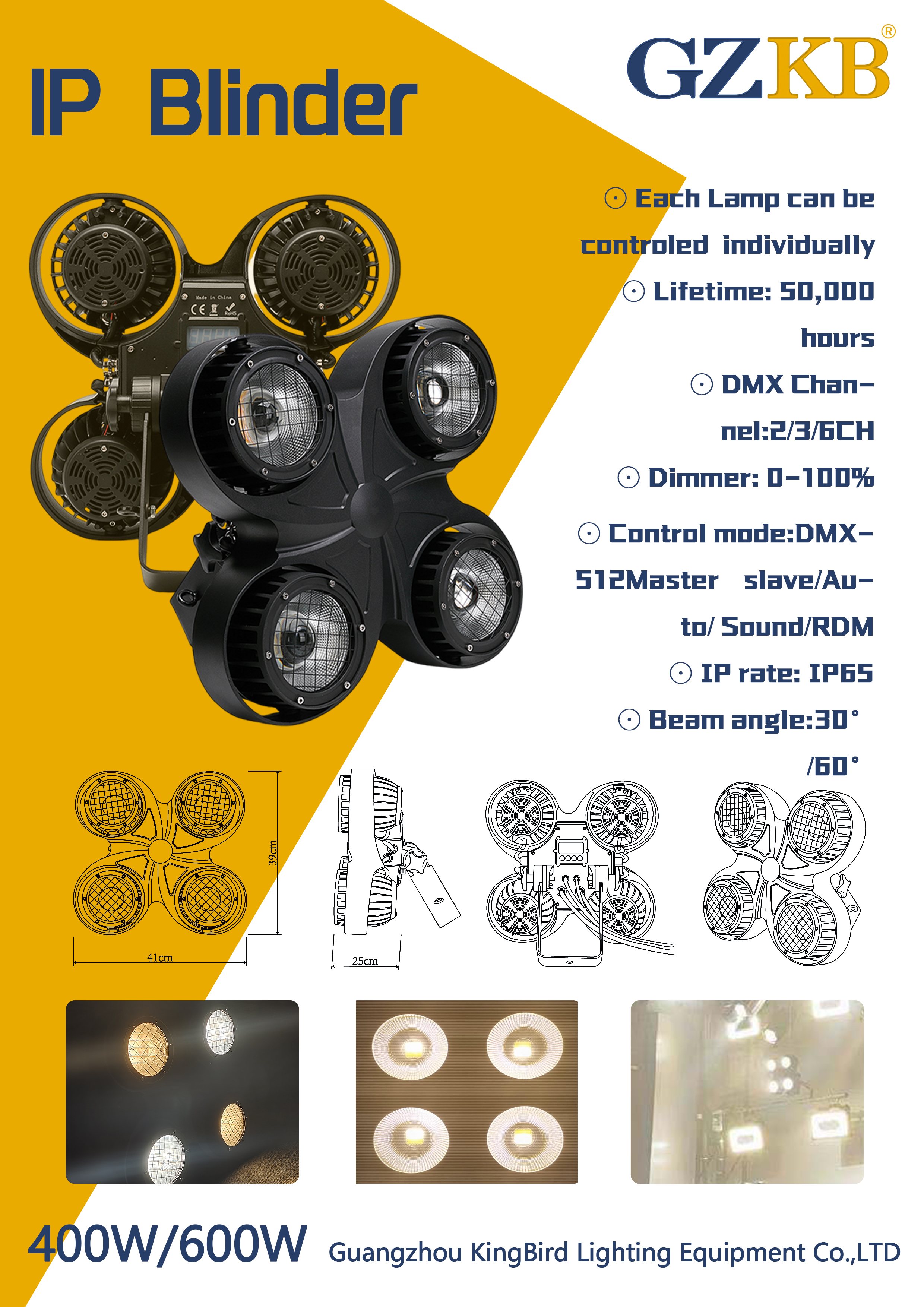 4 Common LED Blinder Problems (And How KB Lights Solved Them)
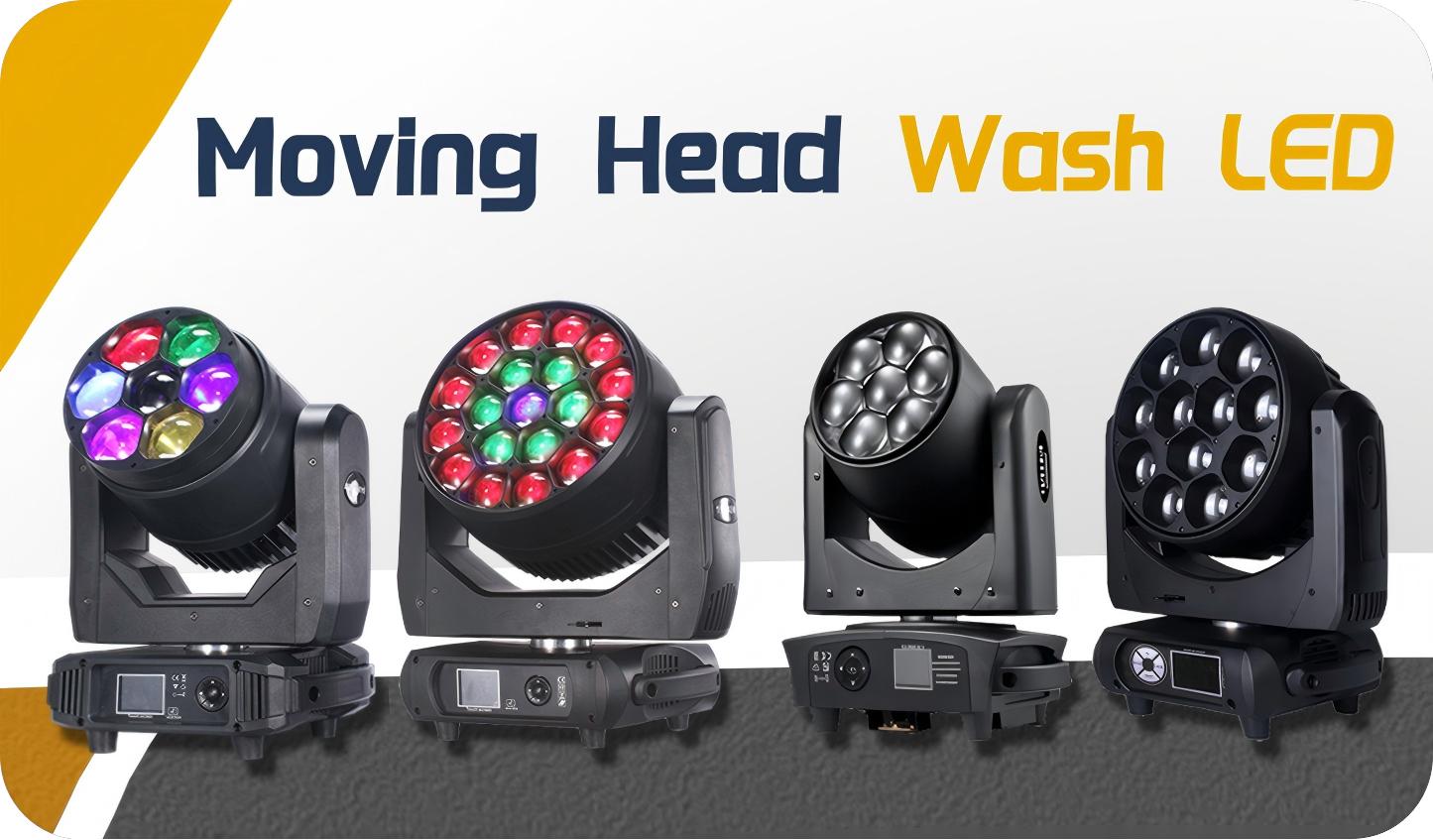 Picking the Perfect LED Moving Head Light
 IP Beam 380
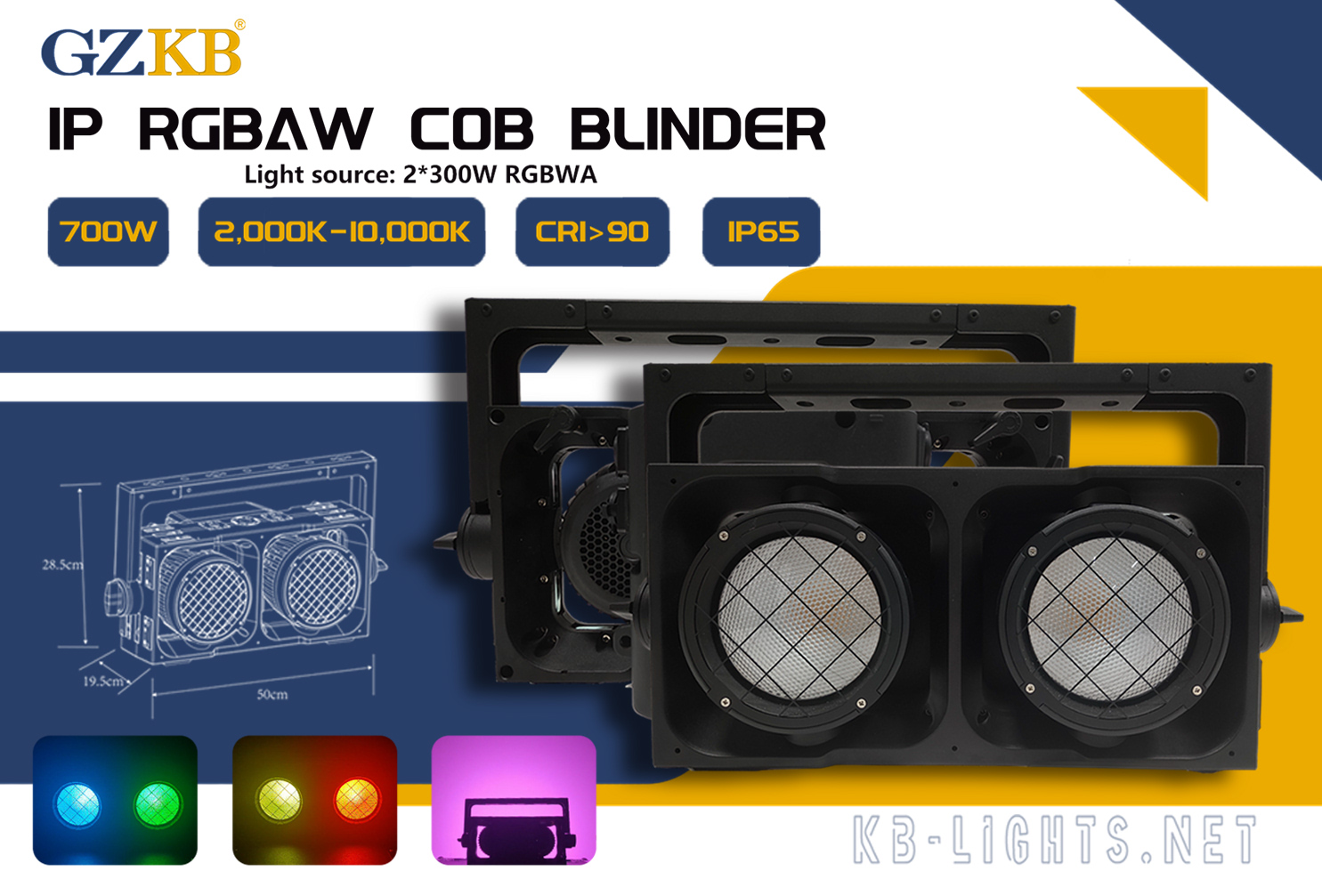 Blinder RGBAW-Super bright waterproof light
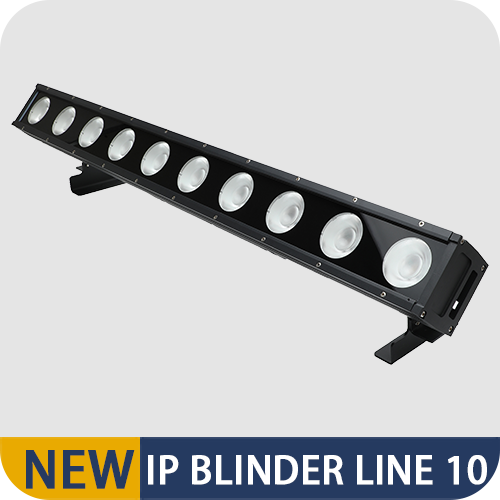 Stage Lighting with IP COB Line Bar Pixel Light
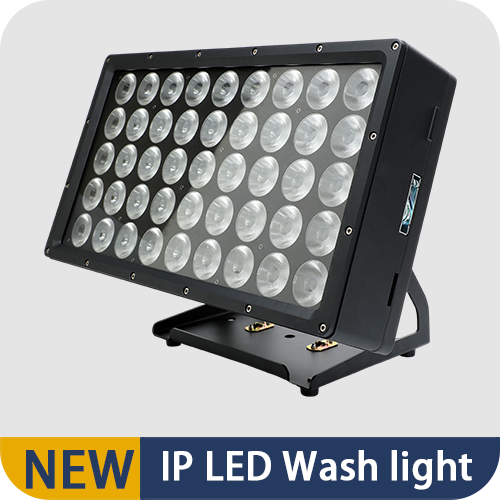 The Versatility of Outdoor LED Wash Lights
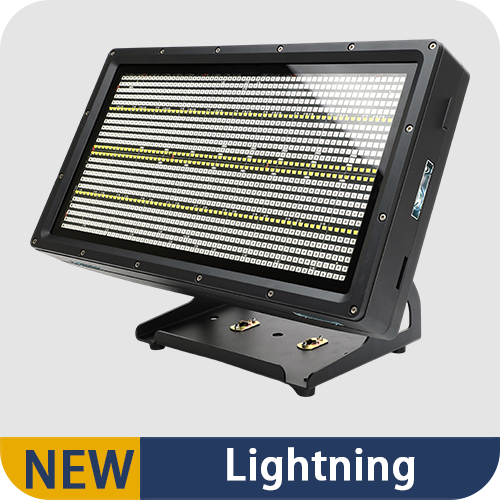 RGB Strobe Lights: The Ultimate in Speed and Intensity
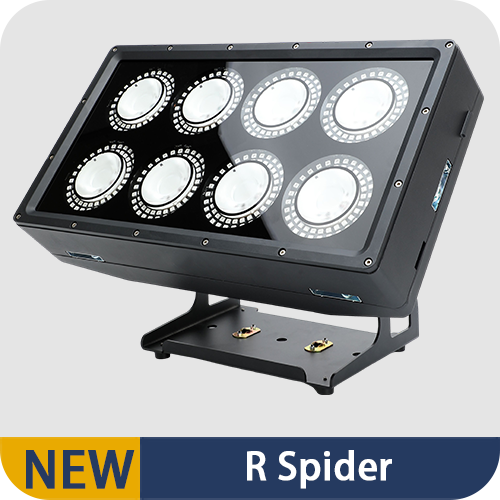 The R Spider: Redefining Blinder Lights for the Modern Stage
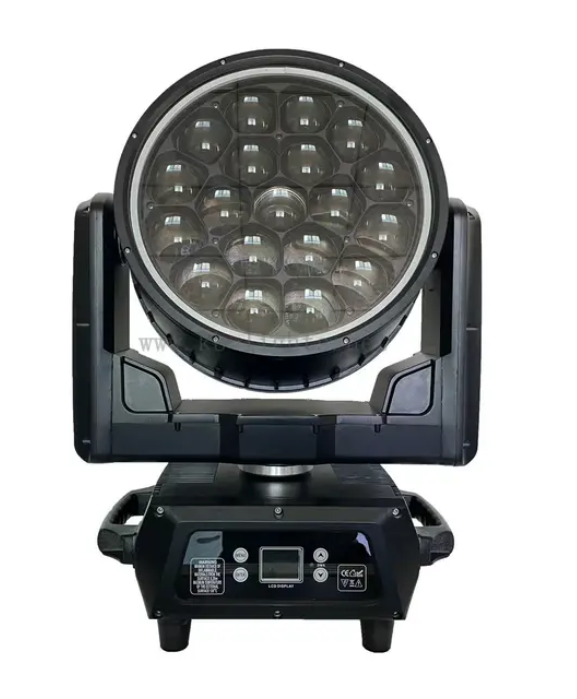 IP Moving Head Lights
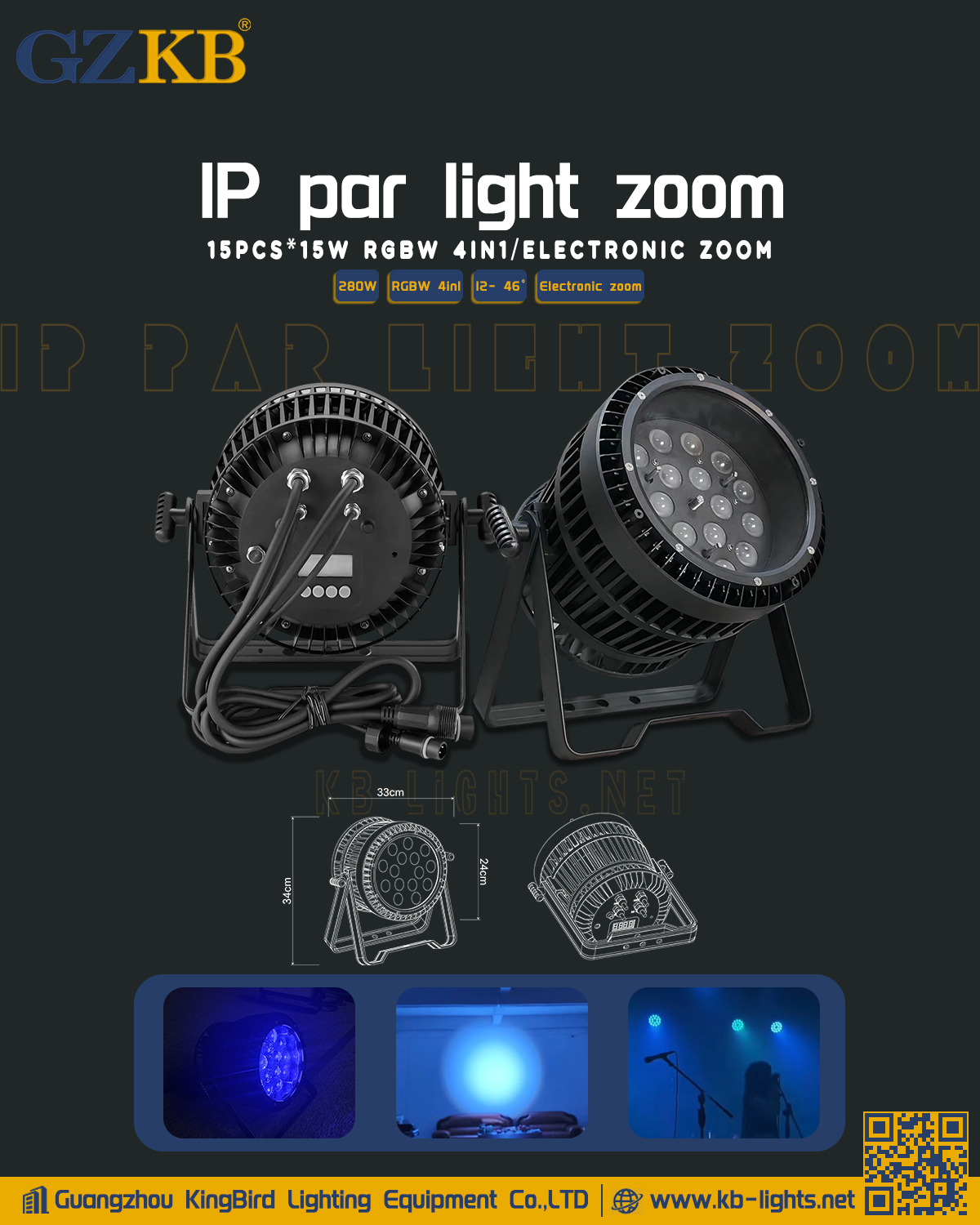 The Power of Illumination: The Zoom PAR Light by KB Lighting
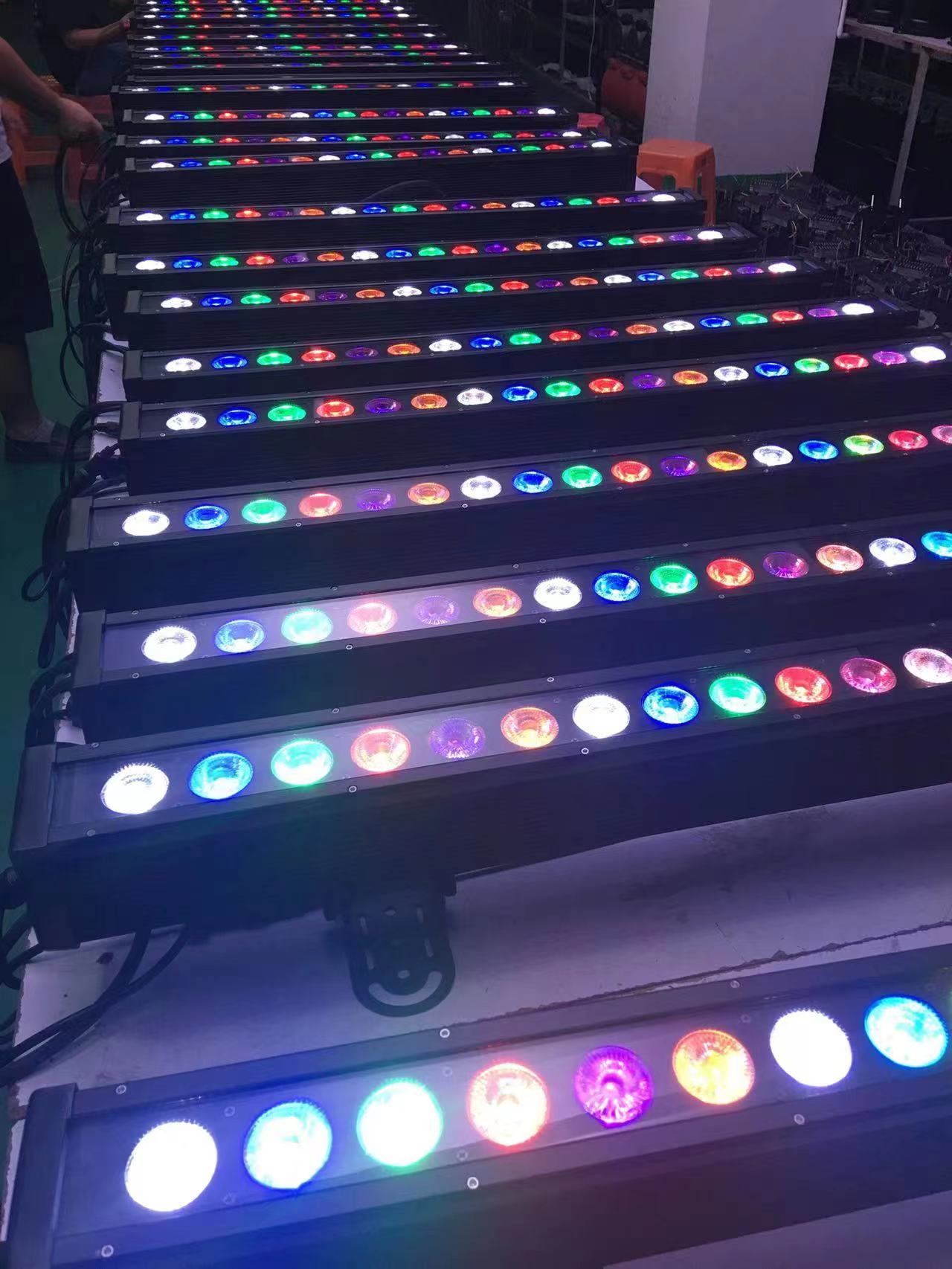 Crafting Ambiance and Energizing Spaces with LED Bar Lights